Nippon Paint Introduces Malaysia’s First Self-Healing Spray-On Paint Protection System

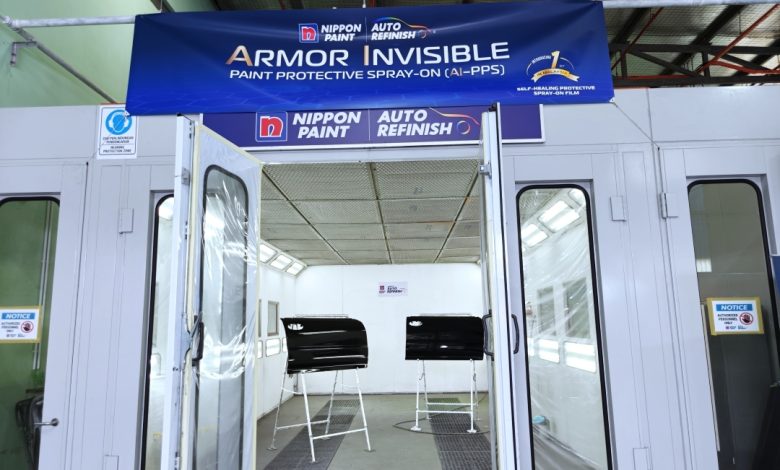
Nippon Paint Malaysia has introduced what it describes as Malaysia’s first self-healing spray-on paint protection system, known as Self-Healing Armor Invisible Paint Protective Spray-On (AI-PPS).
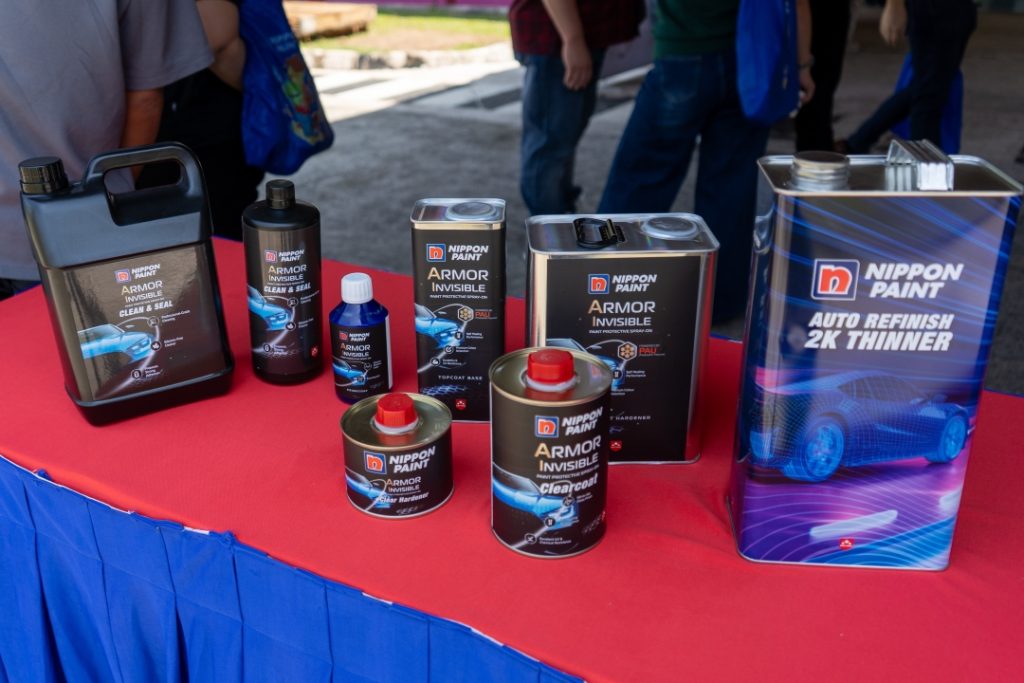
Developed through years of research in advanced coatings and polyurethane chemistry, AI-PPS is designed to create an invisible protective layer over your vehicle’s paintwork. The system claims to shield surfaces against stone chips, light scratches, chemicals and UV exposure, while preserving the vehicle’s original paint finish.

Spray-On Alternative to Traditional PPF
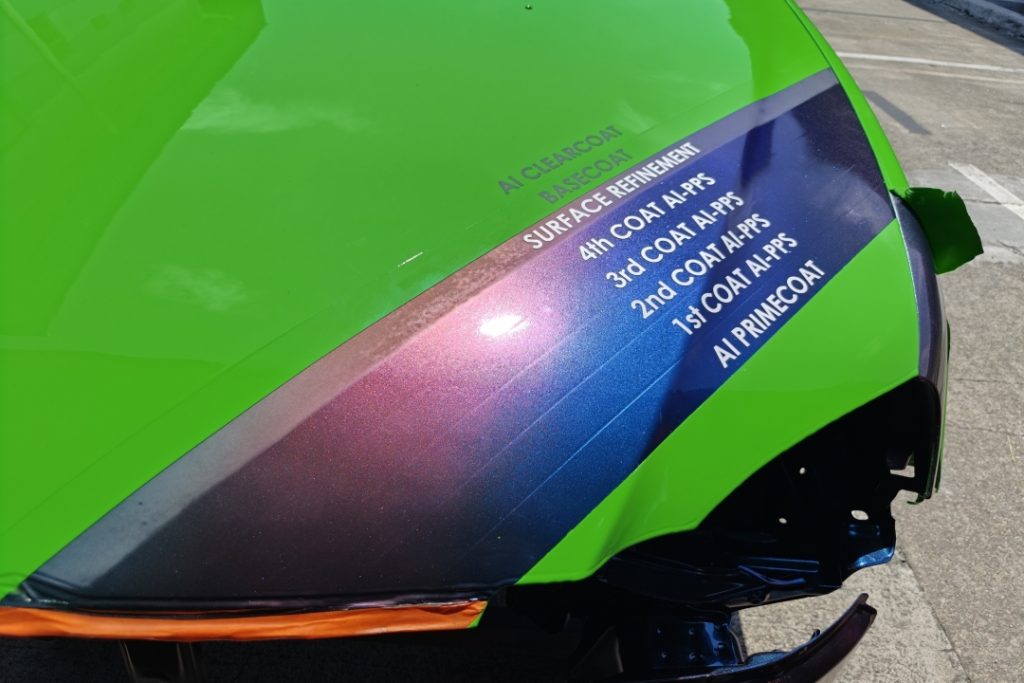
Unlike conventional stick-on paint protection films (PPF), which require manual alignment, trimming and adhesive application, AI-PPS is applied as a spray. According to Nippon Paint, this allows for better compatibility with complex curves and body contours, while integrating more seamlessly into existing body and paint workshop workflows.
The spray-on system is also designed for clean peel-off without adhesive residue, addressing one of the common concerns associated with traditional film removal.
Compared to film-based systems, Nippon Paint says AI-PPS enables faster application and more consistent results. Importantly, it is positioned as a solution that workshops of various sizes can adopt without heavy capital investment.
Focus on SMEs and Aftermarket Growth
“We are proud to be the pioneers of Malaysia’s first self-healing spray-on paint protection system to the market with AI-PPS,” said Mr Tay Sze Tuck, General Manager of Nippon Paint Malaysia.
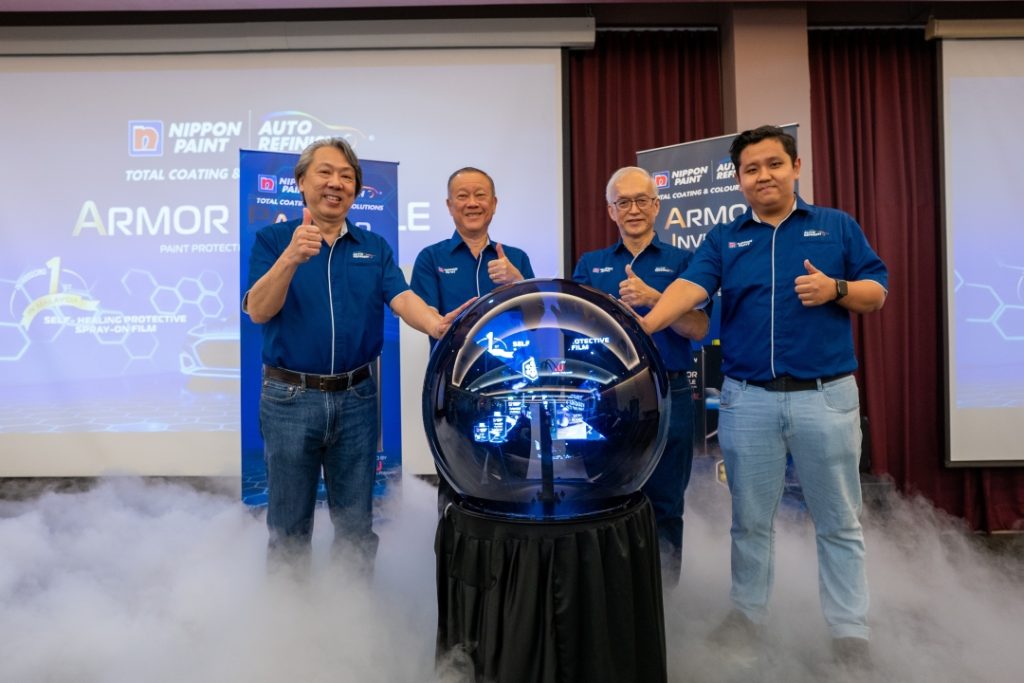
“Beyond the technology itself, AI-PPS reflects our commitment to the long-term growth of the automotive aftermarket. Many workshops in Malaysia are small and medium-sized businesses. By offering a high-value paint protection solution that does not require heavy capital investment, workshop owners can broaden their service offerings and open up new growth opportunities, while consistently delivering high-quality results to car owners.
At the same time, the innovation is designed to deliver clear benefits for vehicle owners. AI-PPS offers an added layer of protection for car owners without changing the appearance of the vehicle. Its self-healing properties help minimise minor surface marks over time, while the invisible finish maintains the original look and value of the car.”
The introduction of AI-PPS also saw selected dealers and workshops formally onboarded through a signing ceremony, marking the start of an authorised partner network that will deliver the service nationwide.
Structured Training and Industry Support
To ensure consistent application standards, Nippon Paint is collaborating with GIATMARA and EduNova Academy to provide structured training programmes. These programmes aim to equip authorised partners with the technical skills, quality control practices and ongoing support required for professional installation.
The AI-PPS launch builds on Nippon Paint’s broader automotive coatings portfolio, which has evolved from conventional paint protection films to more advanced spray-on systems.
While pricing and warranty details have yet to be disclosed, the introduction of a spray-on, self-healing paint protection system could signal a shift in how aftermarket paint protection services are delivered in Malaysia — particularly among SME-operated workshops.
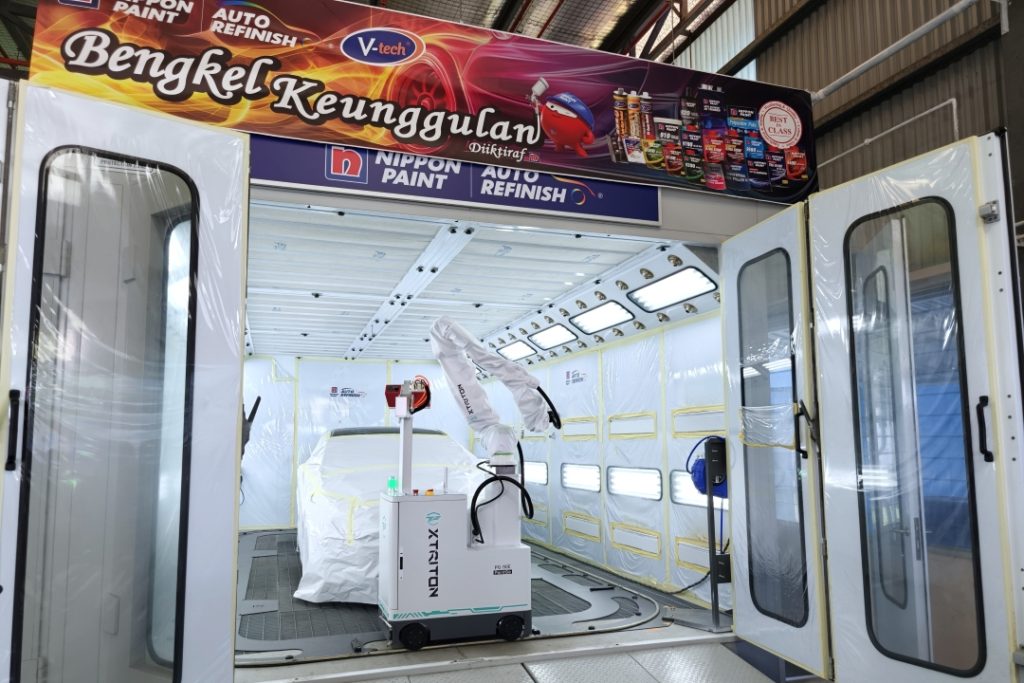
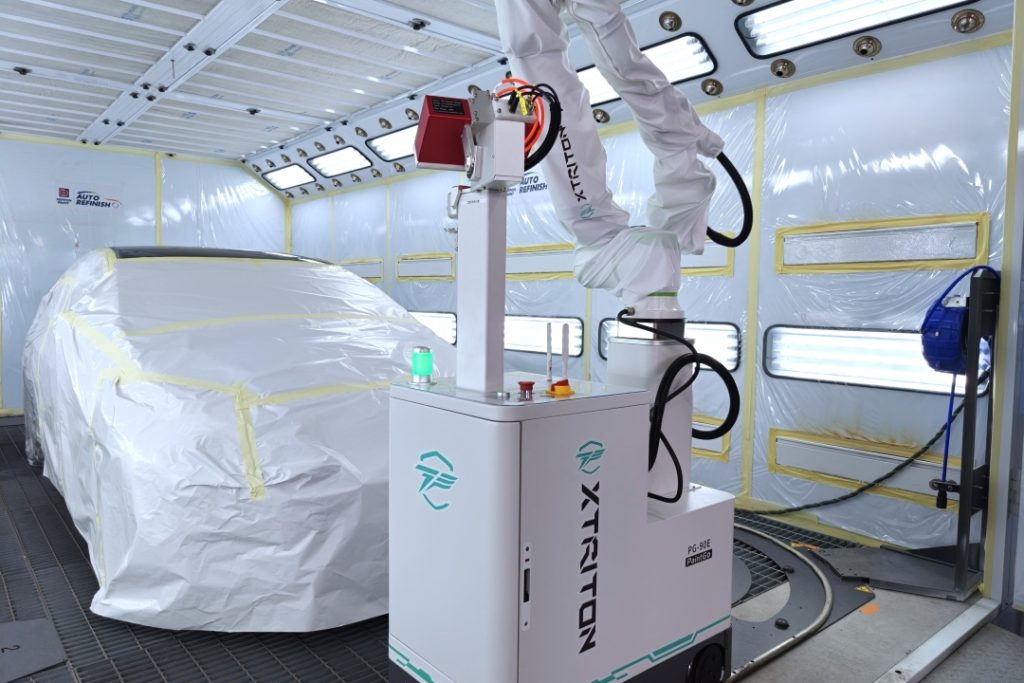
The company is also testing robotic spray systems for authorised partners, aimed at improving application consistency and quality control. If implemented widely, this could further standardise paint protection services across its network.
CarTok Editor’s Note:
Malaysia’s detailing and paint protection scene is highly competitive, with traditional PPF and ceramic coatings dominating the space. A spray-on, self-healing system lowers the entry barrier for smaller workshops — and that could reshape the market faster than the technology itself.
It also removes one long-standing concern among some car owners: adhesive-related issues that may only surface during film removal.
If adoption is strong — especially with the potential introduction of robotic application systems — expect more conversations around efficiency, standardisation and margins in the aftermarket business.