Mechanicals Beat Electronics: China’s New Safety Ruling on Car Door Handles

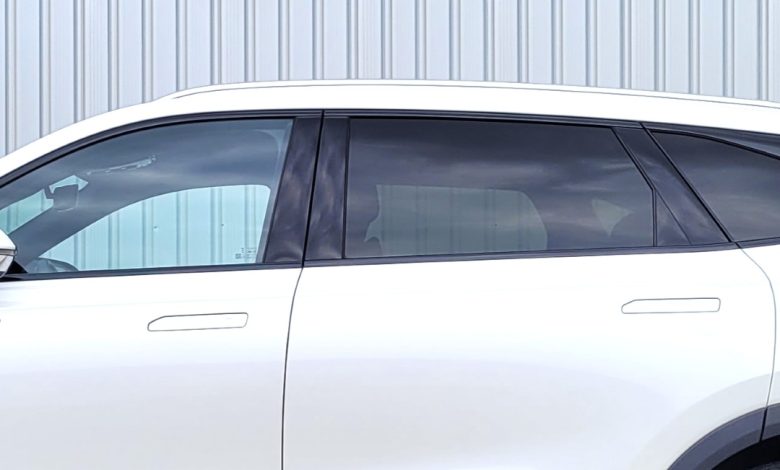
For years, carmakers have been hiding one of the most basic components of a vehicle in the name of design and aerodynamics: the door handle. Flushed “pop-out” handles, touch-sensitive panels and fully electronic releases have become common, particularly on electric vehicles.
That design trend is now facing a major reversal. China has introduced new safety requirements that effectively prioritise mechanical door handles over purely electronic systems—marking a significant shift that is likely to influence global vehicle design, including models sold in Malaysia.

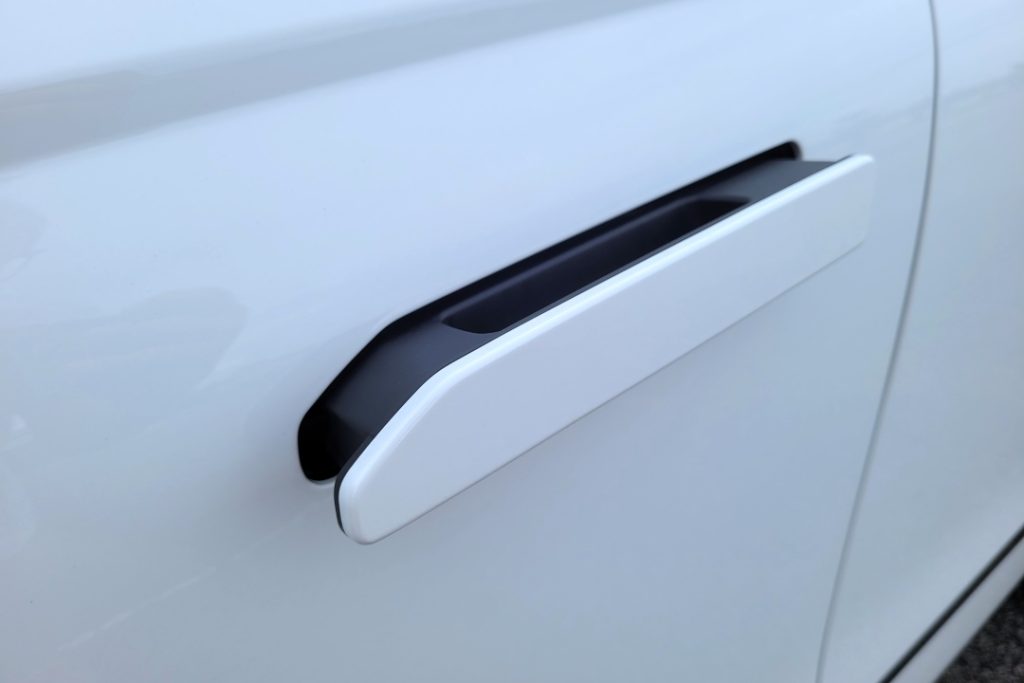
Why China is Stepping In
This move follows a series of high-profile crash incidents involving EVs in China. In several cases, vehicles lost electrical power after severe impact or a battery thermal runaway event, causing electronically controlled door handles to remain locked or retracted.
When the 12-volt system fails or has its power cut off, many “smart” handles simply stop working. In such cases, occupants will be trapped inside, while first responders outside are left with smooth, flush body panels that offer no obvious way to open the doors quickly.
These incidents exposed a clear safety gap: when electronics fail, there must still be a reliable mechanical way in and out of the vehicle.

The New Rules: Mechanical Access is Mandatory
China’s Ministry of Industry and Information Technology (MIIT) has issued updated national standards that directly address this issue. Under the new requirements:
- Every side door must have a mechanically operated exterior handle that can open the door even if the vehicle has completely lost electrical power.
- Each door must also feature a clearly identifiable mechanical interior release, visible in low-light conditions and easy to understand without prior explanation.
- Exterior handles must withstand a pull force of at least 500 Newtons (around 50 kg) without breaking, ensuring they remain usable during rescue efforts.
- No tools are allowed—doors must be operable by hand by occupants or rescuers.
The regulations are scheduled to take effect from 1 January 2027, with a phased compliance period for both new and existing vehicle models.
What This Means for EV and Hybrid Brands
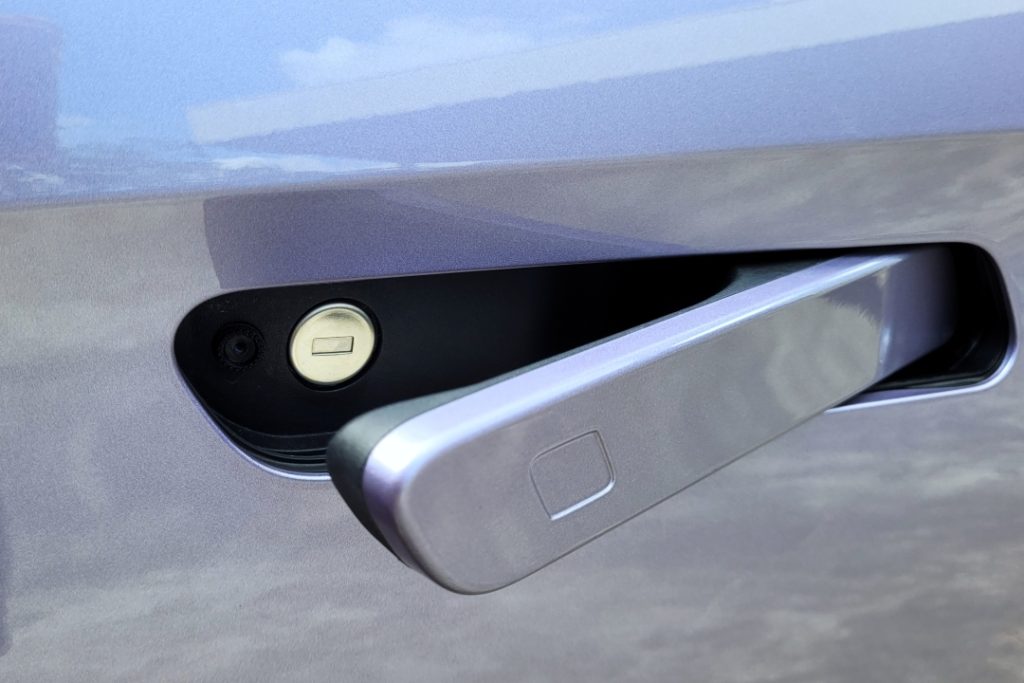
Despite frequent references to Tesla-style handles, the ruling applies broadly to all manufacturers selling vehicles in China. Brands such as BYD, Geely (including Proton-linked platforms), Chery, Tesla and others will need to ensure mechanical redundancy is built into their door systems.
Manufacturers are not explicitly banned from using flush or retractable handles. However, those designs must now incorporate a physical, mechanical backup that functions independently of the vehicle’s electrical system.
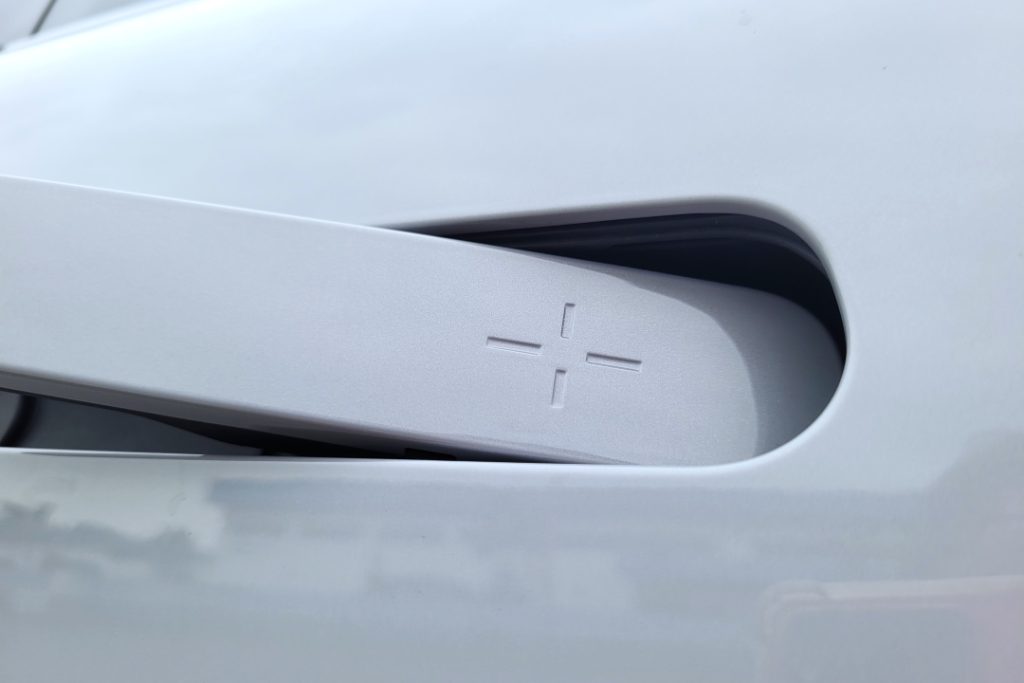
Given China’s position as the world’s largest EV market, it is highly unlikely that global carmakers will engineer separate door systems for different regions. As a result, vehicles exported to markets like Malaysia are expected to adopt the same safer designs.
There is also a practical engineering argument. Flushed handle systems add weight, often several kilograms per vehicle, and their aerodynamic benefit is marginal. When weighed against safety risks and regulatory pressure, traditional mechanical solutions become the more logical choice.
Why This Matters for Malaysia
Malaysia receives a growing number of China-developed EVs and hybrids, either directly imported or assembled locally. As these new standards take hold, buyers here can expect future models to place greater emphasis on physical fail-safe mechanisms rather than purely electronic convenience features.
For emergency responders and occupants alike, this shift could make a critical difference in real-world crash scenarios.
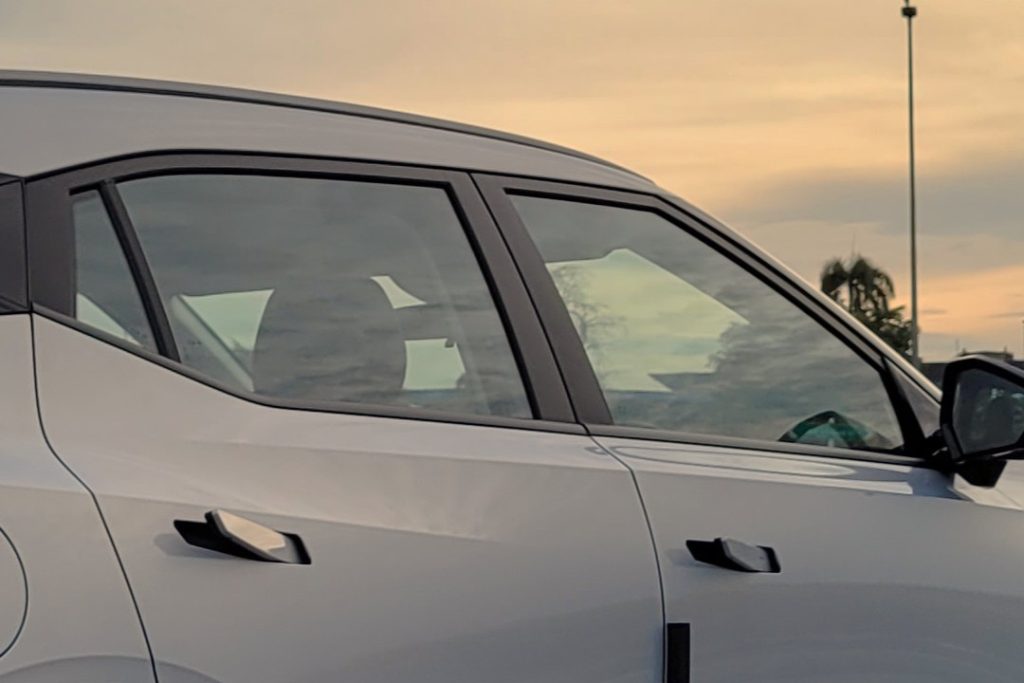
CarTok Editor’s Note: Safety Over Design Theatre
A modern car can be a rolling computer, but a door still needs to be a door, and it needs to open when everything else fails. China’s decision to prioritise mechanical access is a reminder that some fundamentals should never be optional, and that safety isn’t a luxury.
And for carmakers, it is a reminder that not every aspect of a car needs to be a party trick or gimmick.