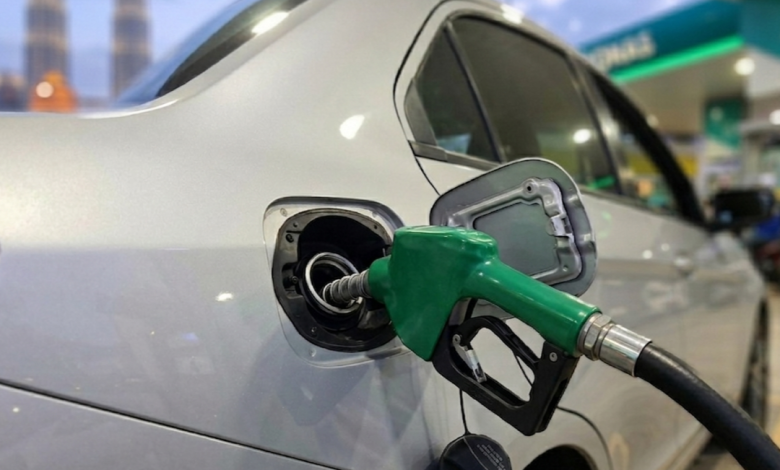
The Malaysia government has just announced an adjustment to the nation’s fuel subsidy programme. Starting April 2026, the eligibility ceiling for purchasing subsidised RON95 petrol under the BUDI95 programme will be reduced from 300 litres to 200 litres per month.
However, there is good news for consumers – the selling price remains unchanged at RM1.99 per litre.

This is being done as a proactive measure to address global energy supply uncertainties.
Why Is This Step Being Taken?
According to the Ministry of Finance (MoF), this decision is driven by escalating geopolitical pressures. The prolonged conflict in West Asia has pushed Brent crude oil prices past the US$100 per barrel mark.
This increase has a direct impact on the nation’s subsidy burden:
- January 2026: RON95 and Diesel subsidy burden around RM0.7 billion.
- Two Weeks Ago (Oil at US$90): Subsidy burden estimated at RM3 billion per month.
- Now (Oil at US$100): Subsidy burden expected to reach RM4 billion per month.
The government emphasised that this measure is temporary until global supply conditions stabilise. However, with 90% of eligible citizens using less than 200 litres per month (average consumption around 100 litres), the government is confident that the majority of users will not be affected.
Who Will Be Affected?
- Individual Users: Ceiling reduced to 200 litres/month.
- E-Hailing Operators: Additional ceiling remains at 800 litres/month to ensure drivers’ income continuity.
- Targeted Diesel Users: Price remains at RM2.15 per litre.
The government also issued a stern warning that the Ministry of Finance will not hesitate to block BUDI95 eligibility if there is evidence of abuse or leakage of subsidies. Enforcement will be strengthened to curb wastage.
CarTok Editor’s Note
This could be seen a mile away, in spite of the current geopolitical nonsense. The reduction of the BUDI95 fuel ceiling from 300 litres to 200 litres may feel like a cut in benefits, but from a national finance perspective, it is a practical step.
Subsidies cannot continue at a level that strains the country’s budget, especially when the money could instead support hospitals, scholarships, infrastructure, and other public needs.
The lower ceiling also helps reduce abuse. The previous 300-litre limit was far above the average monthly use of about 100 litres, creating room for misuse, including leakage into black markets and cross-border smuggling. By bringing the ceiling down to 200 litres, the government is trying to make sure the subsidy goes to genuine users rather than being wasted.
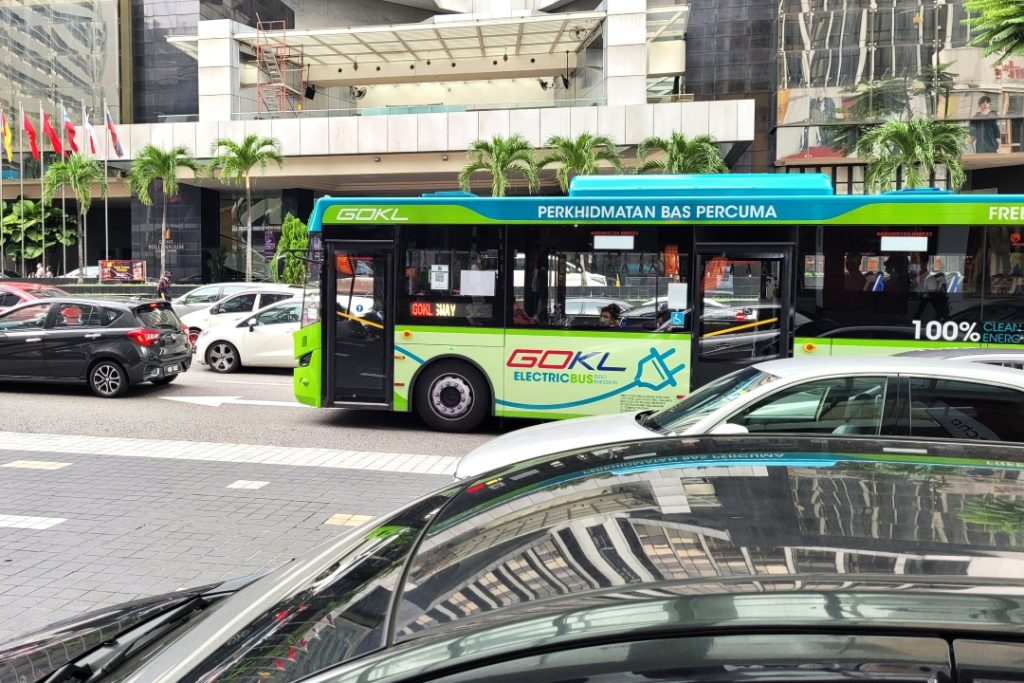
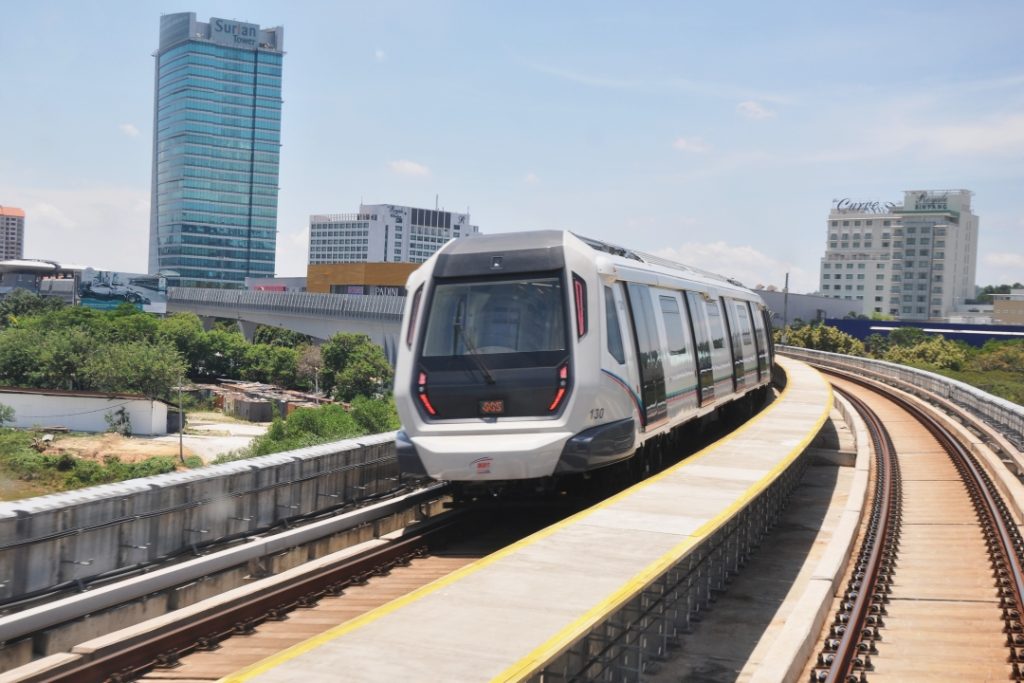
It also encourages Malaysians to use fuel more efficiently, plan trips better, carpool when possible, and consider more fuel-saving options such as hybrids or EVs. Any savings from the subsidy adjustment can be redirected to areas that benefit the public more broadly, such as rural roads, public transport, and green mobility incentives.
While the change may be harder for some groups, such as rural users and larger families, government data suggests about 90% of users will not be affected. The main message is that subsidy policy should be fair, targeted, and sustainable.
If you are at the quota borderline, maybe now is the opportunity to track fuel usage, drive more efficiently, carpool, and combine errands. Is also now the time that 400-km EV or 1000-km hybrid is looking like a sensible choice?






This is a pragmatic fiscal measure by the government to support the long-term sustainability of fuel subsidies amid volatile global oil prices. Efficient allocation of national resources remains essential to maintaining economic resilience.