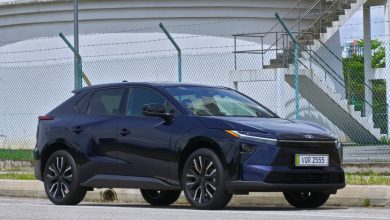
Toyota Retains Global Crown in 2025 With Record 11.32 Million Sales, Hybrids Lead Growth

Toyota Motor Corp has retained its position as the world’s top-selling automaker for the sixth consecutive year, closing 2025 with a record 11.32 million vehicles sold globally, up 4.6% year-on-year.
The total includes sales from Lexus, Daihatsu and Hino, reinforcing Toyota’s scale advantage at a time when the global industry is undergoing rapid electrification and structural change.

Clear Lead Over Rivals
Toyota maintained a sizeable gap over second-placed Volkswagen Group, which reported 8.98 million vehicles sold in 2025 — leaving Toyota ahead by more than 2 million units.
Based on full-year global rankings, the leading automakers by sales in 2025 were:
- Toyota
- Volkswagen
- Hyundai Motor Group
- Stellantis
- General Motors
- BYD
- Ford
Notably, BYD overtook Ford in total global sales for the first time, delivering approximately 4.6 million vehicles, compared to Ford’s just under 4.4 million units. The shift reflects the continued rise of Chinese manufacturers, particularly in electrified segments.
However, at the top of the table, Toyota’s overall volume remains unmatched.
Hybrid Strategy Delivers Results
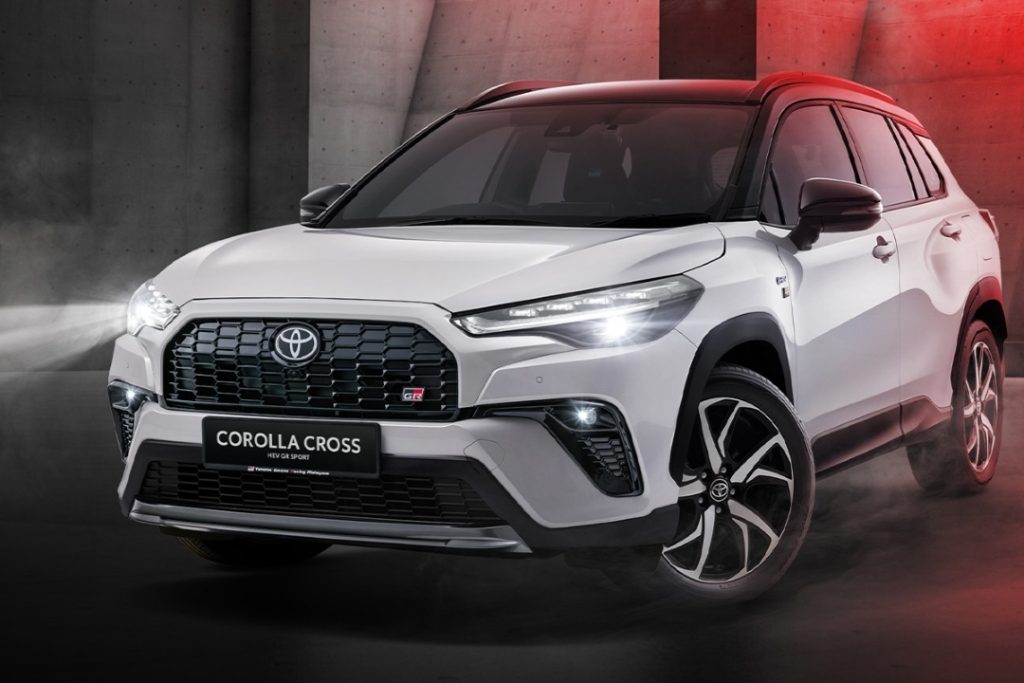
A major contributor to Toyota’s record year was sustained global demand for hybrid electric vehicles (HEVs).
- Hybrid sales rose 7% to 4.43 million units
- Hybrids accounted for roughly 89% of Toyota’s electrified vehicle sales
While global headlines often focus on battery-electric vehicles (BEVs), Toyota’s hybrid-first approach continues to generate substantial volume, especially in markets where charging infrastructure and affordability remain constraints.
Toyota’s BEV sales increased to 199,137 units in 2025 — still a small fraction of total output. In comparison, BYD sold more than 2 million BEVs globally, highlighting the competitive gap in full electrification scale.
North America Anchors Growth
North America remained Toyota’s largest and most important market.
Regional sales rose 7.3% to 2.93 million units, with U.S. sales surpassing 2.5 million units for the first time. Toyota also recorded overseas sales of 9.25 million units, despite higher tariffs imposed by the United States during the year.
China Pressure, Emerging Market Momentum
In China, Toyota’s sales edged up 0.2% to roughly 1.8 million units, but competition from domestic EV brands remains intense. The combined market share of Toyota, Honda and Nissan in China has declined sharply over the past five years as local players expand aggressively.
Outside China, Toyota posted strong growth in emerging markets including:
- India (+17.1%)
- Pakistan (+59.1%)
- South Africa (+15.5%)
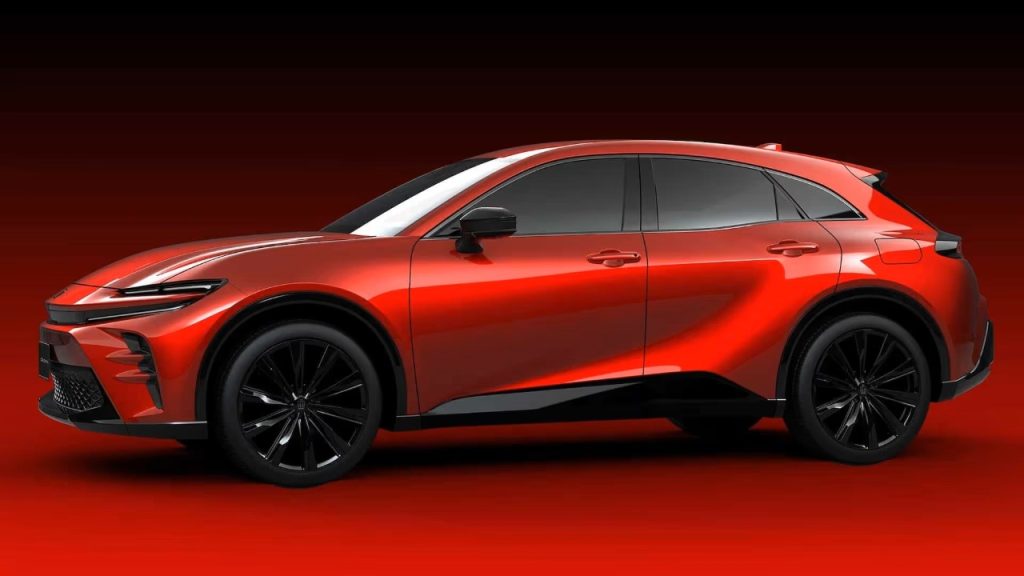
Japan also saw a 4.1% increase to 1.5 million units, supported by renewed demand for models such as the Crown.
Subsidiary Performance
Within the Toyota Group:
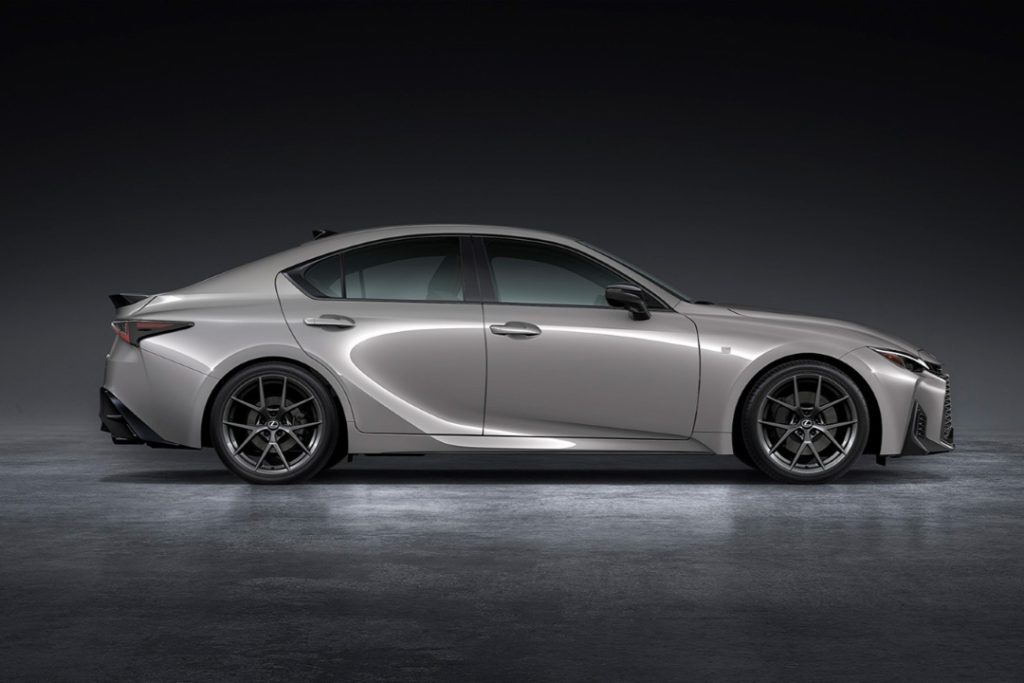
- Lexus achieved record global sales of 882,231 units
- Daihatsu rebounded strongly, with sales up 25.8% to 675,285 units
- Hino saw global sales decline 12% to 110,483 units
Despite mixed results across brands, overall group performance remained robust.
Structural Shifts Ahead
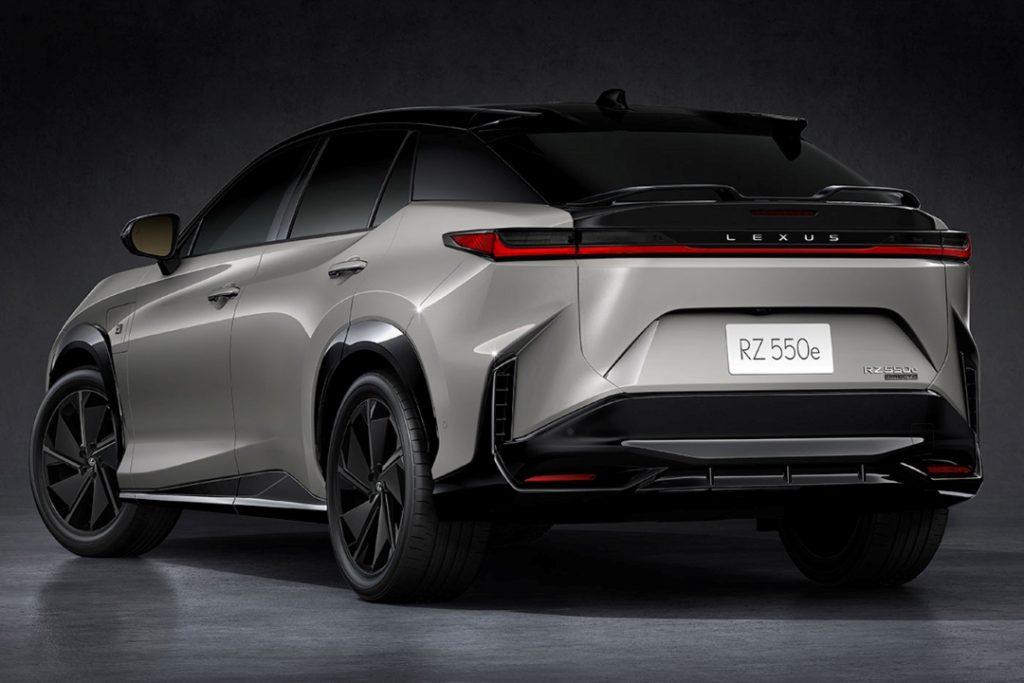
Industry analysts expect New Energy Vehicles (NEVs) to account for 50 – 70% of new car sales in key markets by 2030. In response, Toyota is positioning Lexus as its EV flagship brand and is building a wholly owned EV factory in Shanghai, scheduled to begin production in 2027.
The competitive landscape is clearly evolving — particularly with Chinese manufacturers gaining global scale. Yet in 2025, Toyota continues to combine volume, geographic reach and profitability in a way few rivals can match.
CarTok Editor’s Note:
The industry conversation is dominated by EV disruption and Chinese momentum, but global leadership in 2025 tells a more layered story. In many markets — especially across Southeast Asia, parts of North America, and emerging economies — hybrids remain a practical bridge between conventional ICE vehicles and full electrification. They offer lower fuel consumption without the infrastructure dependency of BEVs.
Toyota has leaned heavily into that reality. While rivals chase rapid EV scale, Toyota’s hybrid-led volume strategy continues to deliver global consistency. Whether that balance holds through the next phase of electrification will define the decade — but for now, hybrids are still doing serious heavy lifting for the world’s No.1 automaker.