GWM Malaysia’s 2028 Roadmap Signals Bigger Push For Hybrids And Local Assembly

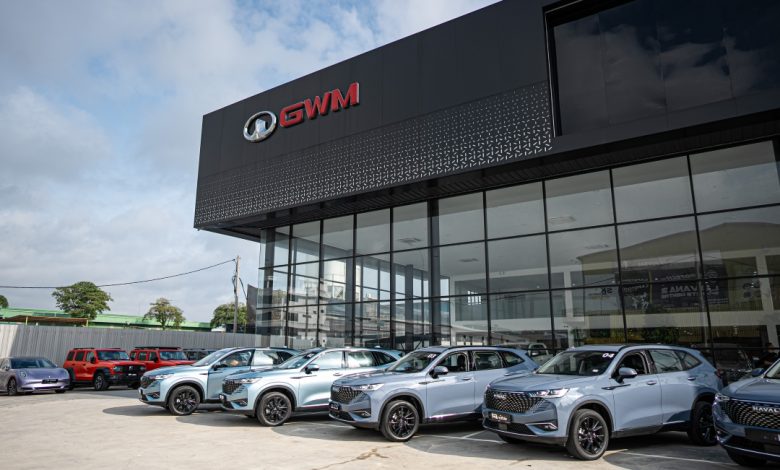
On paper, GWM Malaysia’s newly announced 2026–2028 roadmap reads like a familiar expansion story: more SUVs, more dealers, more technology, and ambitious sales targets. But look a little deeper, and this becomes less about chasing volume and more about positioning the brand for where Malaysia’s car market appears to be heading over the next few years.
At a recent media gathering, GWM Malaysia outlined a growth plan targeting 60,000 annual sales, a 6% market share, and a Top 10 position in the Malaysian market by 2028, while also aiming to rank among the country’s top three Chinese automotive brands.

That is a sizeable leap from the 5,900 units it sold in 2025, albeit after recording a strong 177% year-on-year increase.
Timing The Hybrids
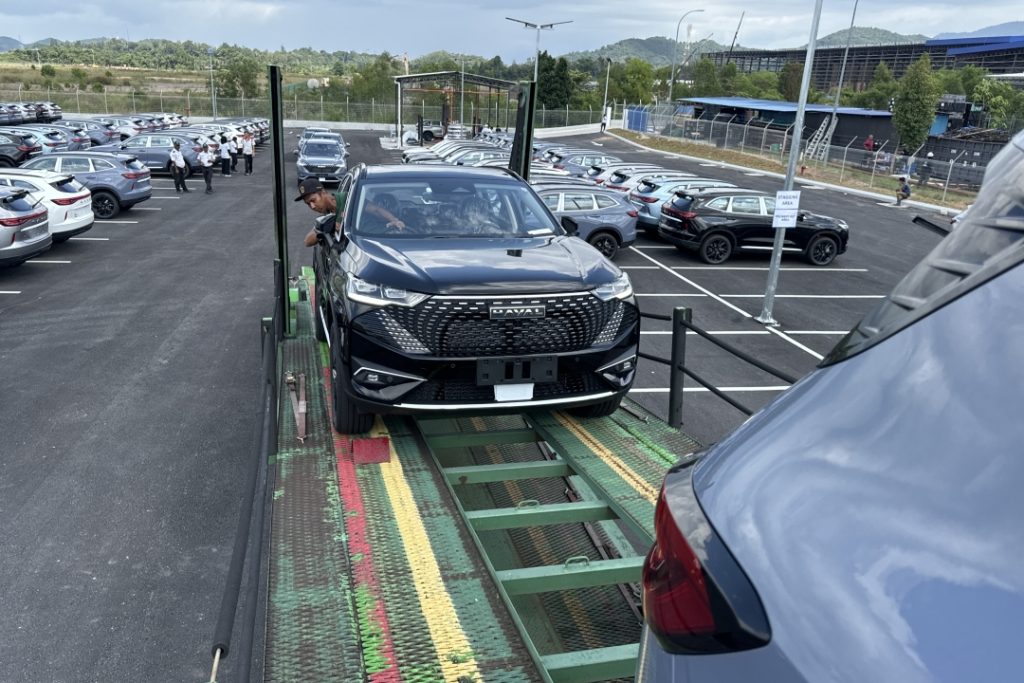
One of the clearest signals from GWM’s roadmap is its continued commitment to a multi-powertrain strategy, spanning ICE, HEV, PHEV and BEV models. This may prove to be a pragmatic move in Malaysia’s current climate.
With fuel price volatility continuing to remain a live concern for consumers and businesses alike, hybrids are increasingly becoming the market’s middle ground — offering some insulation from rising petrol costs without asking buyers to fully commit to charging infrastructure or a full EV lifestyle.
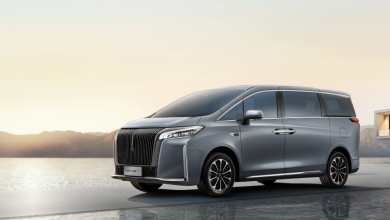
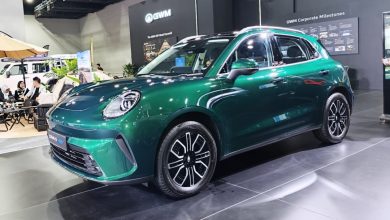
This is where models like the HAVAL H6 HEV and the recently introduced WEY G9 Hi4 PHEV become strategically important, not just as products, but as indicators of where demand is moving. Rather than forcing an all-in EV narrative, GWM appears to be reading the market more carefully, where buyers still want lower running costs but many remain cautious about going fully electric.
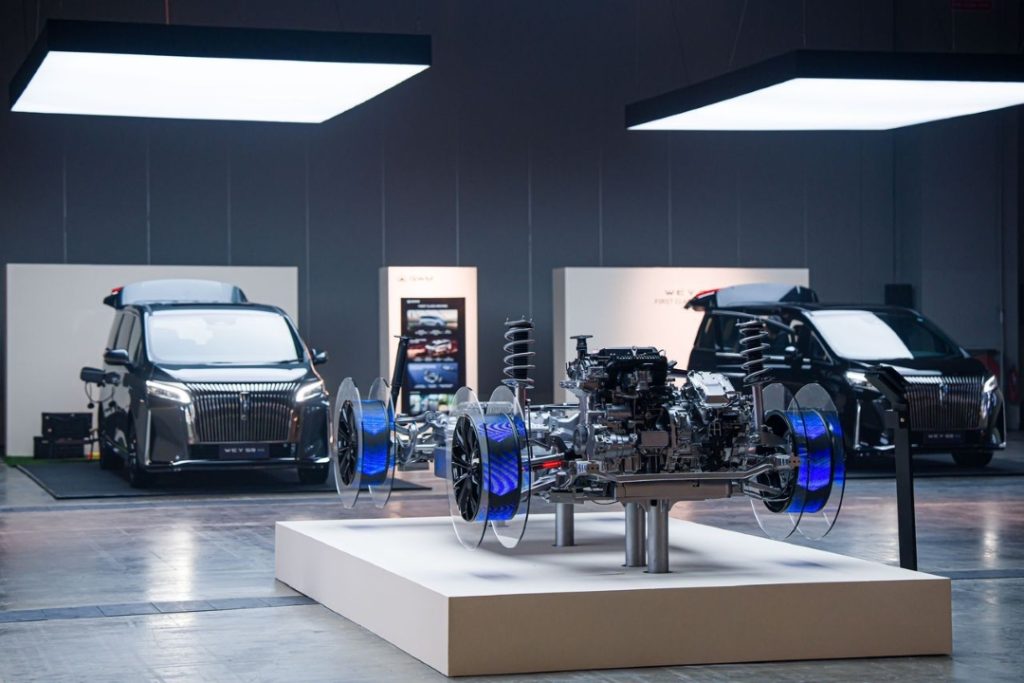
That makes hybrid technology — particularly systems like GWM’s Hi4 intelligent hybrid platform — a commercially sensible bridge.
In many ways, this roadmap feels less like a product announcement and more like a response to evolving consumer economics.
The SUV Push
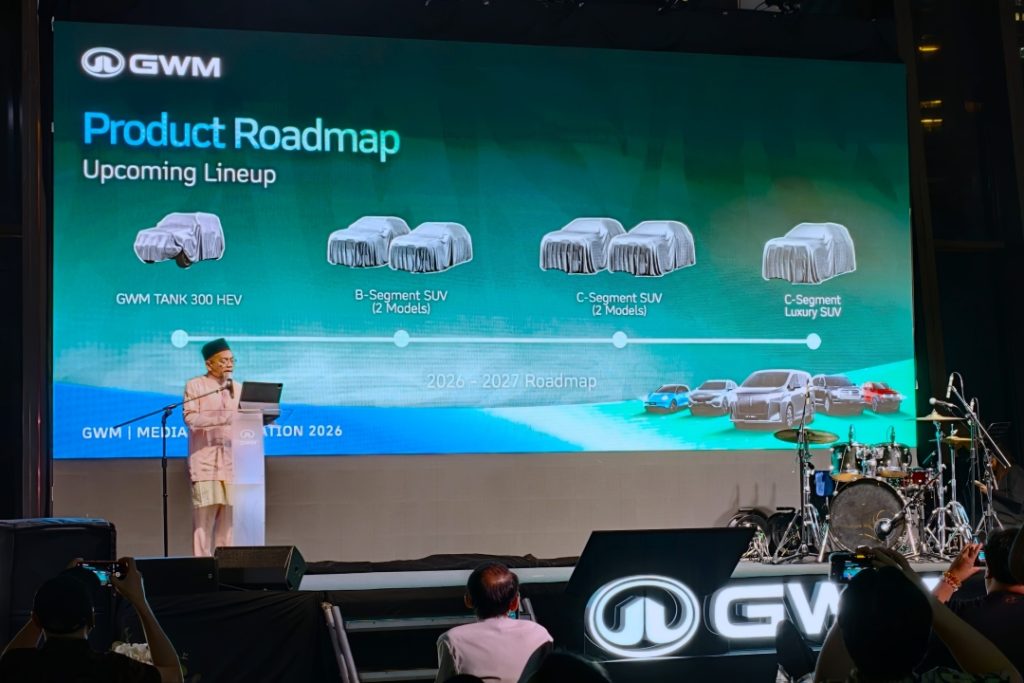
GWM also confirmed that its future pipeline will include the Tank 300 HEV, new B-segment and C-segment SUVs, and a future luxury C-SUV. Again, this is not surprising.
SUVs continue to dominate buyer interest in Malaysia, particularly in the RM100k to RM200k range where Chinese brands have been gaining traction by offering stronger equipment levels and electrified powertrains.
The bigger question is whether GWM can carve out a more distinct identity in an increasingly crowded field that now includes aggressive expansion from Chery, Jaecoo, BYD, Jetour and others.
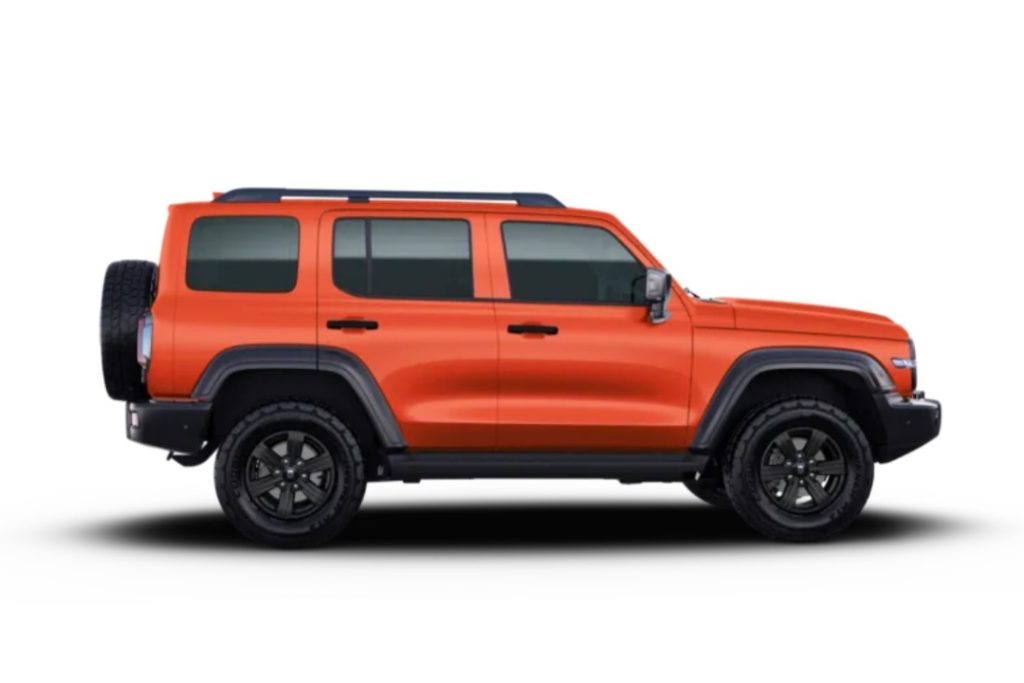
This is where the Tank and WEY brands may matter more than volume-centric nameplates alone. The Tank 300, for instance, gives GWM access to a lifestyle-driven, rugged SUV segment that still has relatively fewer direct rivals, at least until the DENZA B8 shows up.
Local Assembly Is The Long-Term Story
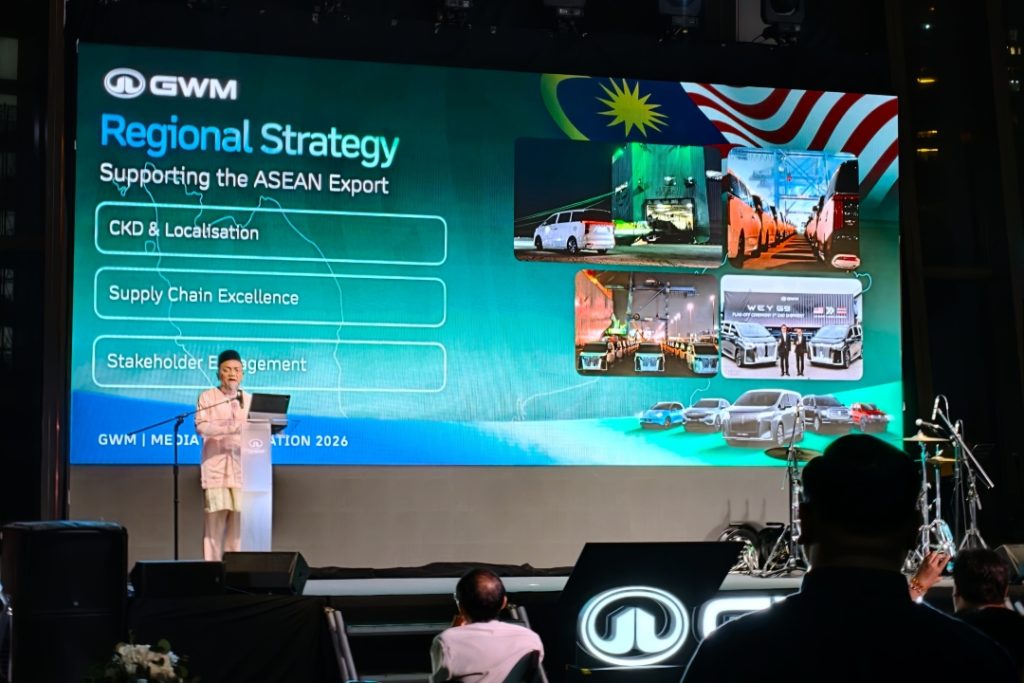
Perhaps the most consequential part of the announcement is GWM’s reaffirmation of its localisation and CKD ambitions. This is where the story moves beyond product launches.
At a time when Malaysia is actively refining its industrial policies around local assembly, export commitments, and vendor ecosystem development, GWM’s long-term localisation plans may prove just as important as any single model launch.
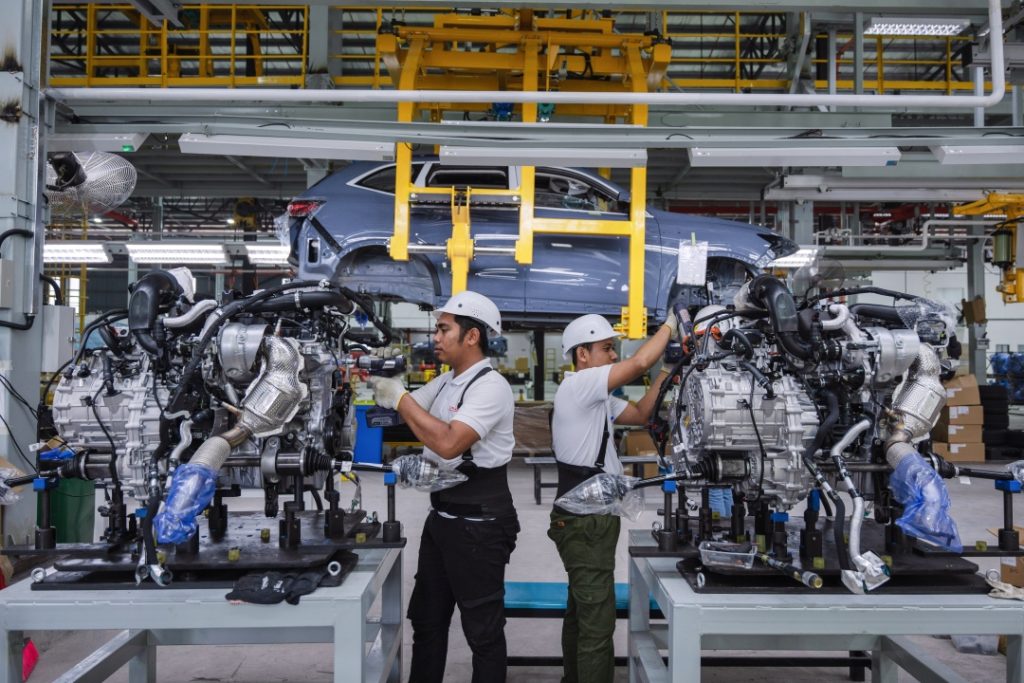
If executed properly, CKD operations could help the brand improve pricing flexibility, shorten supply chains, strengthen parts availability, and potentially position Malaysia as an ASEAN export base.
That matters because the next phase of competition among Chinese brands may no longer be won purely on showroom price. It may increasingly be decided by who can localise faster, scale aftersales better, and build stronger long-term confidence among buyers.
GWM’s stated target of 60 dealer outlets nationwide by 2028 supports that wider strategy.
CarTok Editor’s Note
GWM seems to be trying to future-proof itself against where the Malaysian market is moving — rising demand for electrified SUVs, uncertain fuel economics, and a policy environment that increasingly rewards brands willing to localise.
The real test, of course, is whether ambition can translate into sustained trust. Targets are easy to announce; execution, aftersales consistency, and long-term product relevance are where this story will actually be won.