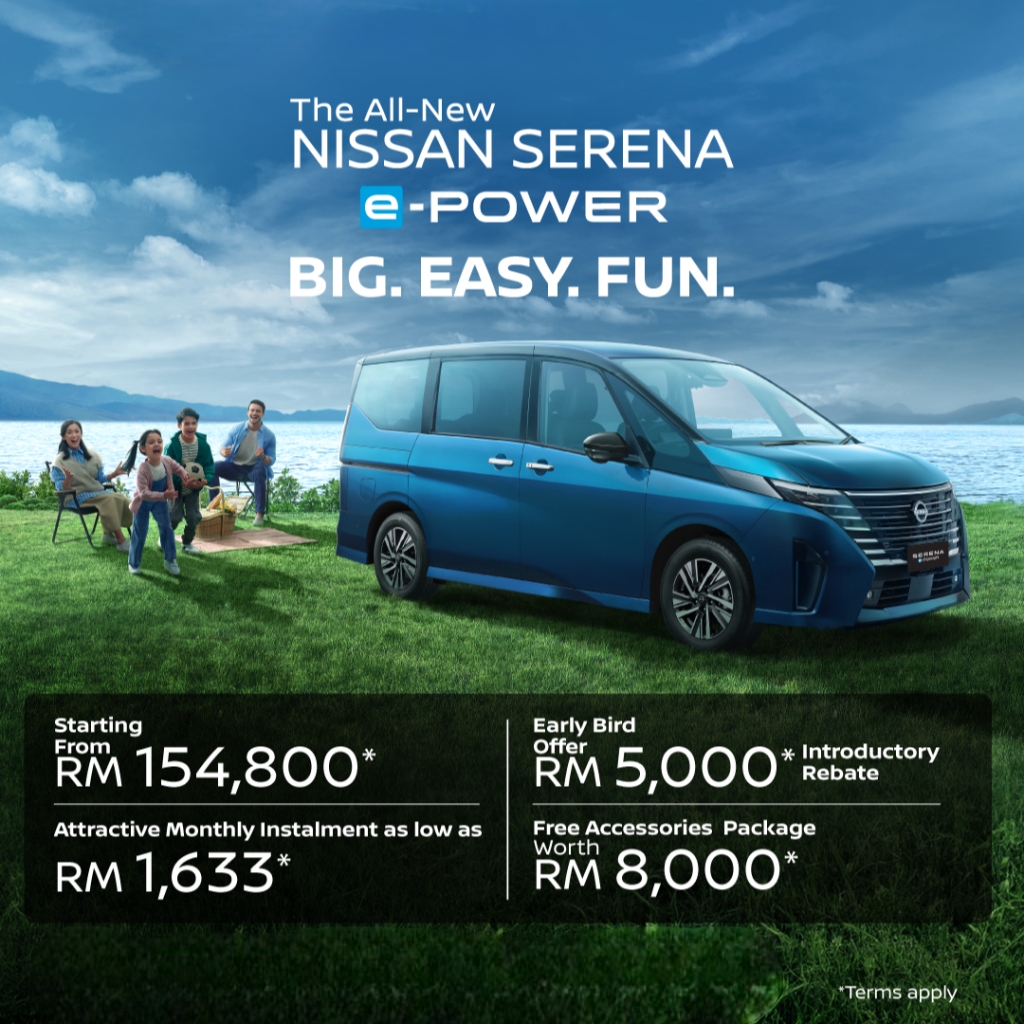
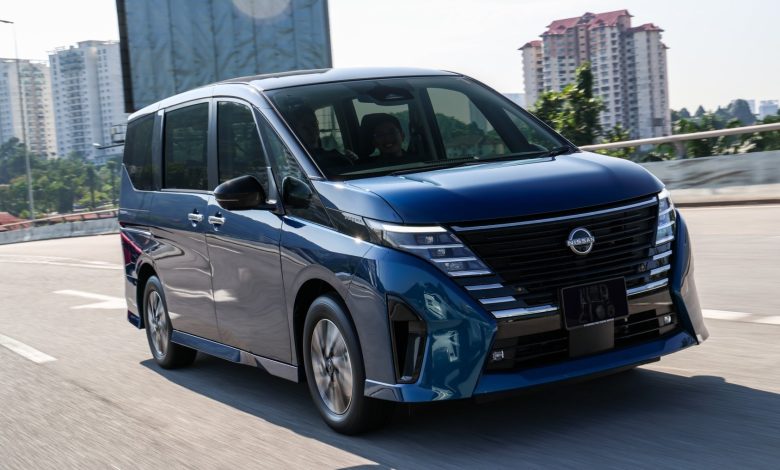
Most buyers would naturally assume the all-new Nissan Serena e-POWER’s biggest selling point is its hybrid system.
But Nissan’s smartest engineering work may actually be something far less obvious — its purpose-built anti-motion-sickness features designed specifically for family journeys.

For Malaysian families, this could matter more than fuel economy or performance figures. Whether it is daily school runs, Klang Valley traffic, or long balik kampung drives, rear-seat discomfort is one of the most overlooked issues in family vehicles. The nausea caused by jerky acceleration, braking, cabin sway and constant micro-movements is real and can lead to irritability, although many passengers may not realise what is causing it.
This is where the new Serena takes a different approach.
Rather than simply adding more features or larger screens, Edaran Tan Chong Motor (ETCM) is positioning the Serena around a very real-world family problem: making journeys less tiring and reducing nausea for children and elderly passengers.
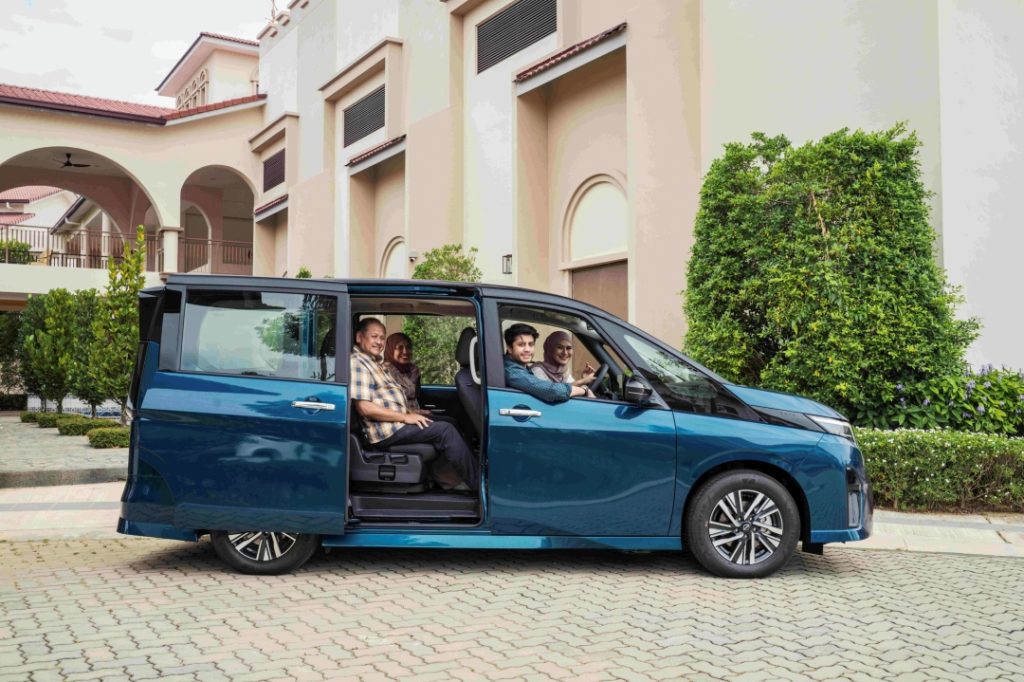
Engineered Around Family Comfort
The Serena’s key differentiator lies in what Nissan calls its anti-motion-sickness engineering.
The MPV has been developed to reduce the physical triggers that commonly lead to passenger discomfort, especially in the second and third rows.
Among the key contributors to motion sickness are:
- sudden acceleration changes
- braking nose-dive
- excessive side-to-side movement
- body vibration
- head movement caused by uneven road surfaces
To address this, Nissan says the Serena benefits from improved aerodynamics, a redesigned suspension setup and revised steering calibration to better suppress sway and pitch.
For families, this translates into a calmer cabin experience. Children are more likely to nap comfortably or use devices without feeling unwell, while elderly passengers benefit from better body support and reduced fatigue on longer journeys.
The Hybrid System Support
This is where the e-POWER system still plays an important role — just not in the way most people first think. Instead of a conventional hybrid system, the Serena uses Nissan’s series-hybrid layout. The company calls it “e-POWER” because only the electric motor drives the wheels.
The petrol engine does not directly power the wheels but instead works solely as a generator to charge the battery and supply electricity to the motor. This results in a drive experience that feels similar to an EV. More importantly, this helps eliminate several motion-sickness triggers.
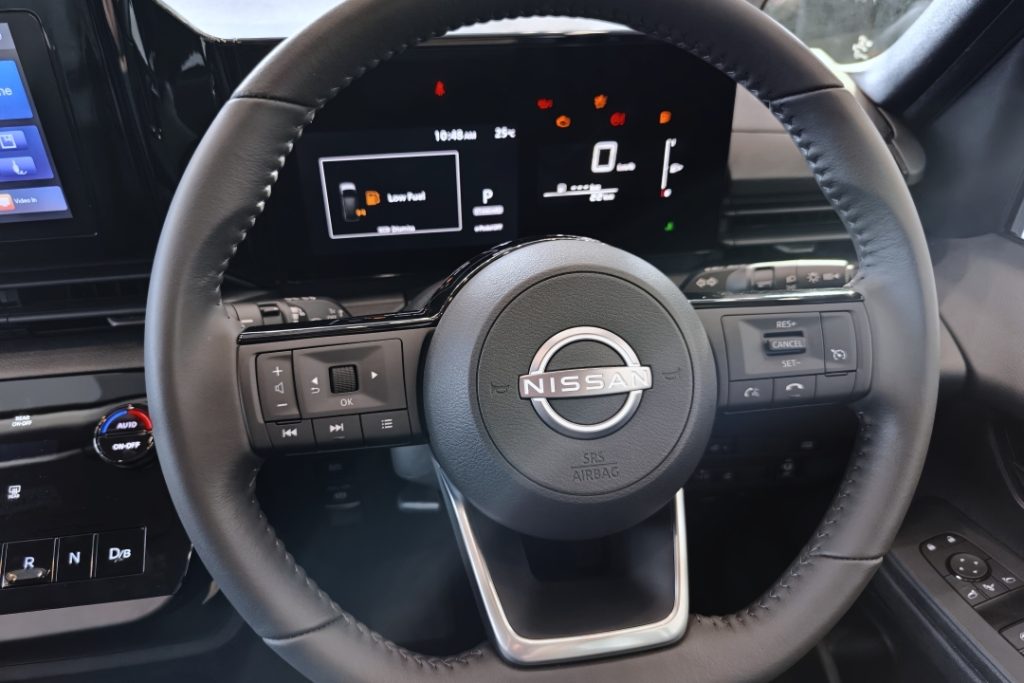
Because there are no traditional gear shifts and no conventional transmission response, acceleration is more linear, with smoother torque delivery to reduce jerking. In practical terms, this means less lag when pulling away, smoother progress in traffic, and gentler overtaking response — all of which help reduce the sudden motions that can make rear passengers uncomfortable.
In short, the hybrid system is not the headline feature itself. It is the technology that enables the Serena’s broader comfort-based engineering philosophy.
Zero Gravity Seats And A Quieter Cabin
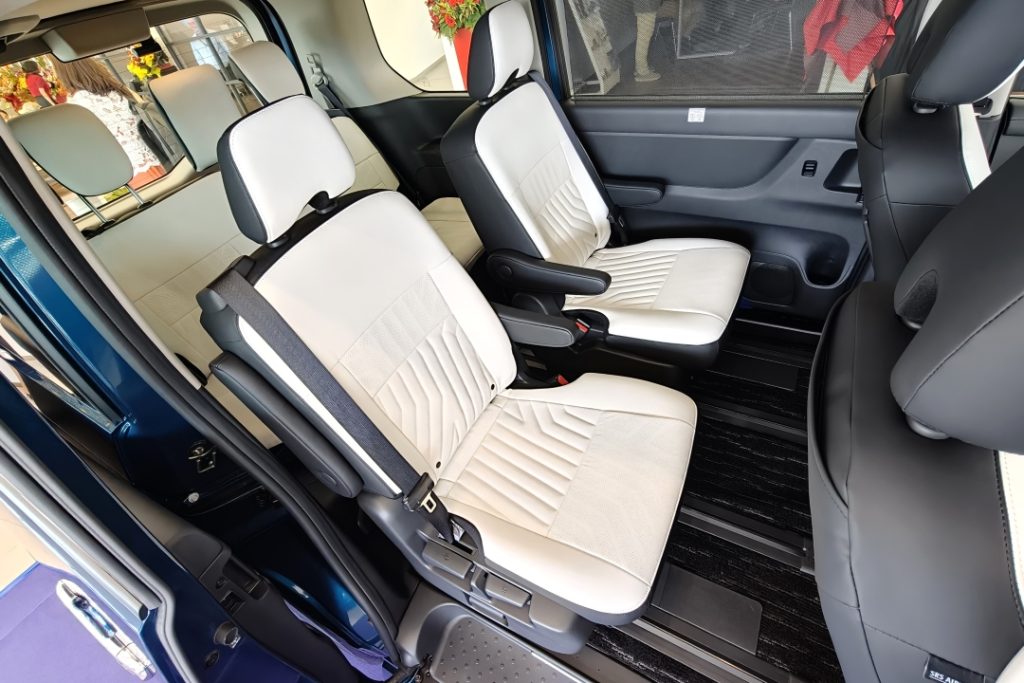
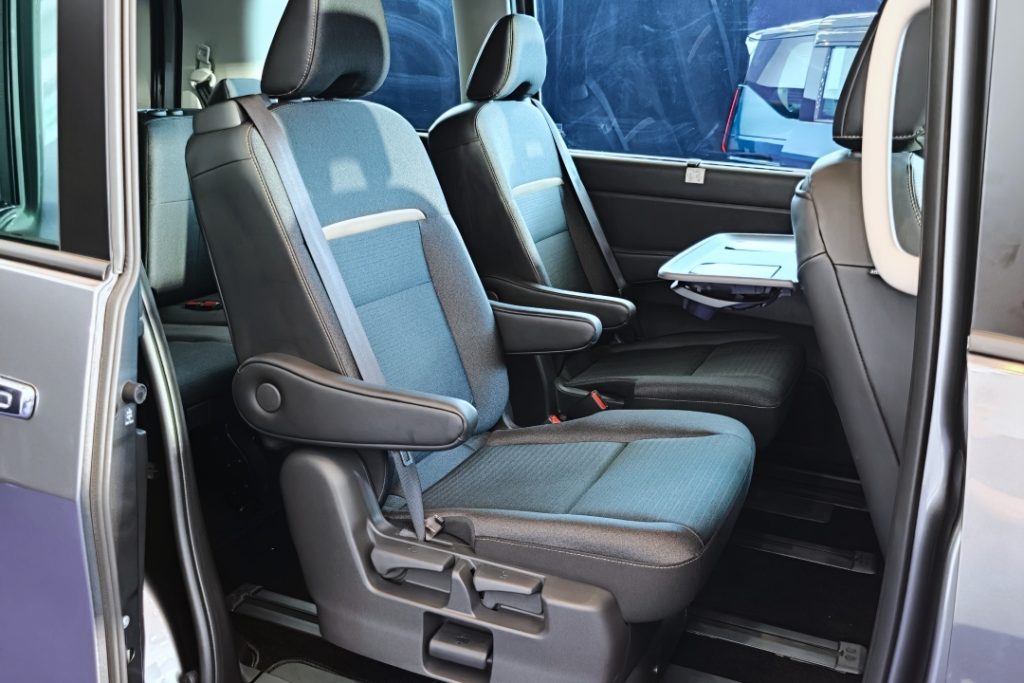
Perhaps another feature deserving attention is Nissan’s Zero Gravity Seats for the first and second rows.
These seats are designed to support a more natural seating posture and minimise head movement, which is one of the key causes of nausea during long drives. Combined with the Serena’s large windows, passengers have a clearer visual connection with the outside environment, helping reduce the sensory mismatch that often causes dizziness.
The quieter cabin also plays an important role. Reduced engine vibration and less drivetrain noise help create a calmer environment, which again reinforces the Serena’s anti-motion-sickness objective. For parents, this may prove to be one of the MPV’s most valuable everyday benefits.
A Smarter Family MPV Approach
In today’s market, many vehicles compete on specification sheets. But the Serena instead tries to win on how it feels to live with.
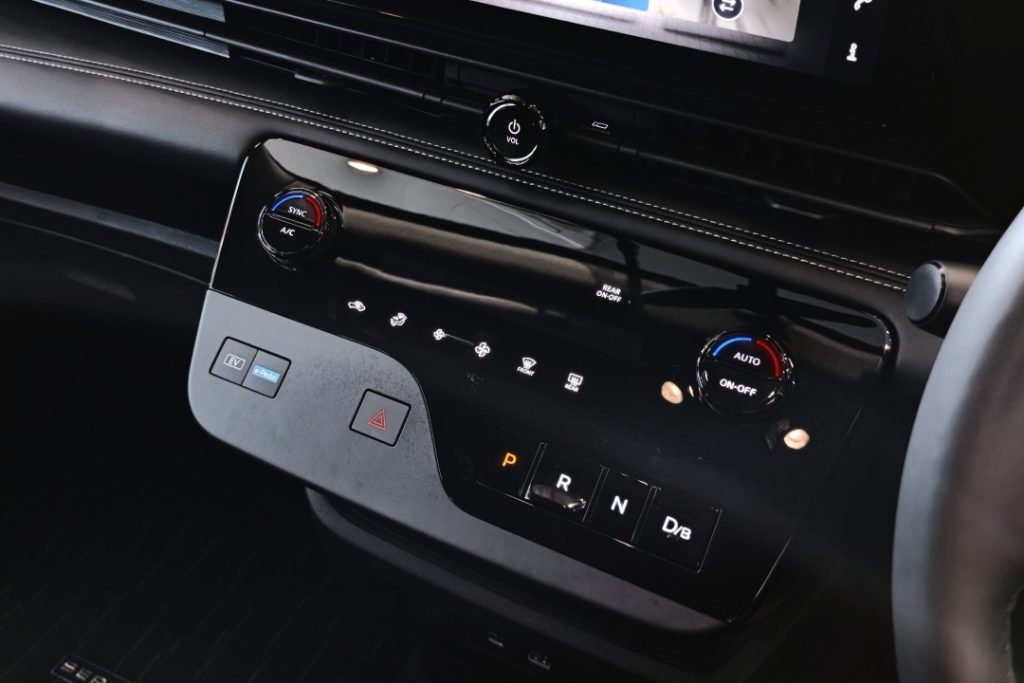
Features such as e-Pedal, which allows single-pedal-style driving in traffic, further reduce fatigue for the driver, especially in stop-start urban conditions. This practical, family-first thinking could be what gives the Serena its strongest appeal in Malaysia’s MPV segment.
CarTok Editor’s Note
The thing about the new Serena is that Nissan is not merely selling hybrid technology. It is selling less stressful family travel.
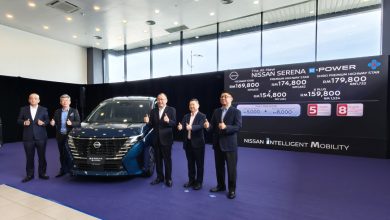
Since its launch in March, the Serena e-POWER has already collected over 1,300 bookings, with the first 250 units already delivered, including to families who used it for their first Raya balik kampung journey this year.
That early response suggests Nissan may have identified something many rivals still overlook — sometimes the most valuable feature in a family MPV is not what you see on the spec sheet, but how much calmer everyone feels by the time they arrive.
Visit https://nissan.com.my/v2/nissan-serena-e-power/ for more details, or contact the Nissan Customer Care Centre Hotline at 1800 88 3838.