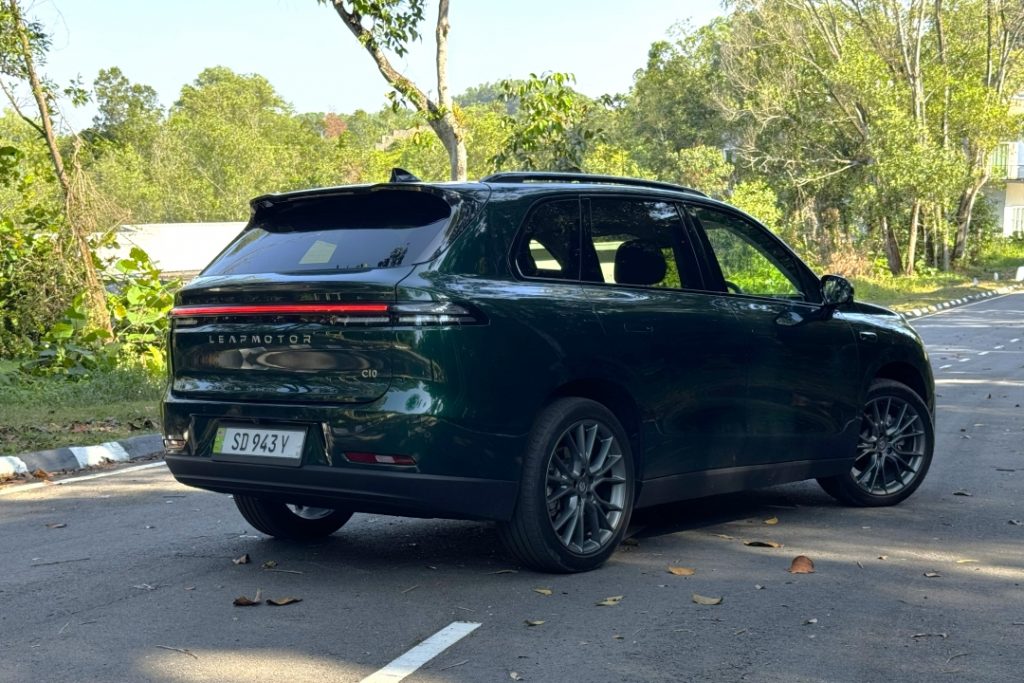
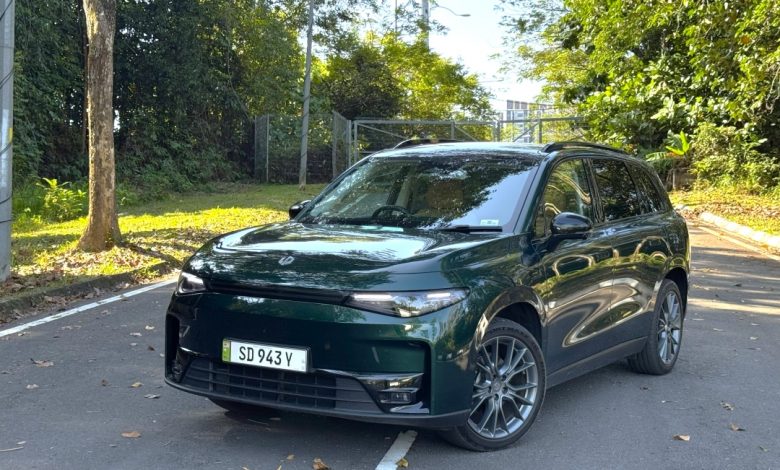
The Leapmotor C10 was easy to overlook at RM159,000. But at RM125,000, it is much harder to dismiss.
Not because it is the fastest EV in its class. Nor because it has the biggest screen. And definitely not because it comes from a new Chinese brand trying to reinvent the automobile.

The C10 now demands attention because it delivers the size, comfort, and refinement of a much more expensive SUV without demanding the kind of money buyers traditionally associate with large EVs.
When the C10 first arrived in Malaysia, it looked promising but landed in dangerous territory against more established rivals. At its revised pricing, however, the equation changes significantly. Buyers shopping for conventional C-segment SUVs are suddenly looking at a fully electric SUV with D-segment proportions, generous equipment, and genuine everyday usability.
And after spending time with the standard C10 (not the more expensive Plus variant), the biggest surprise is how little this car feels like a compromise.
Understanding What Family Buyers Want
Many EVs today still behave like tech products first and cars second. The C10 does not.
Instead of offering gimmicks, the Leapmotor focuses on fundamentals Malaysian families need:
- ride comfort
- cabin space
- refinement
- practicality
- ease of driving
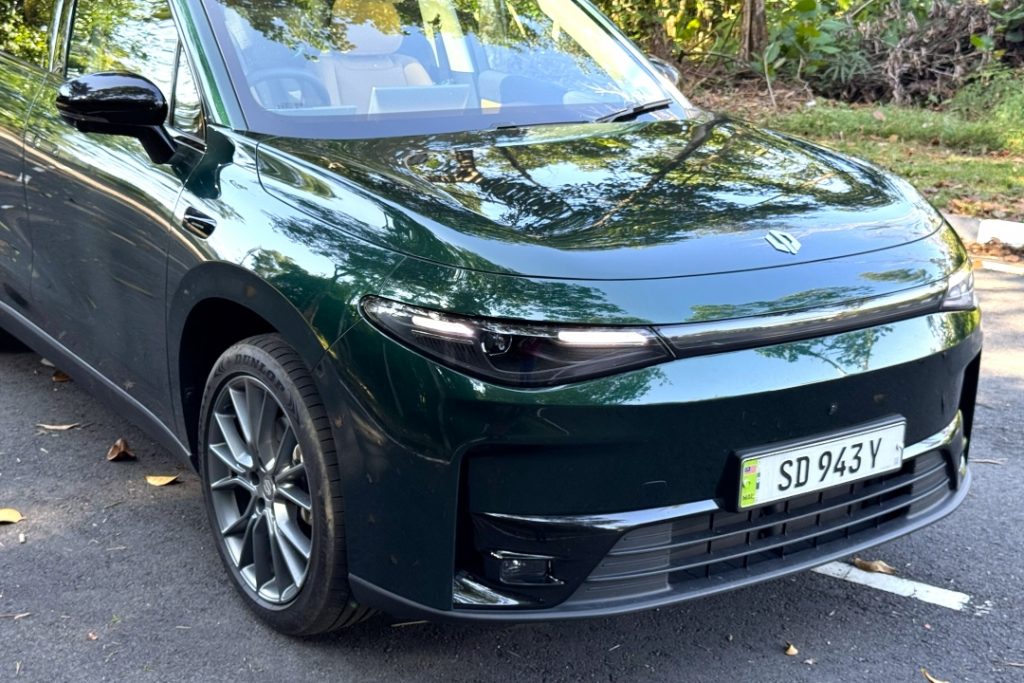
At 4,739mm long with a 2,825mm wheelbase, the C10 has road presence. More importantly, it uses its footprint intelligently.
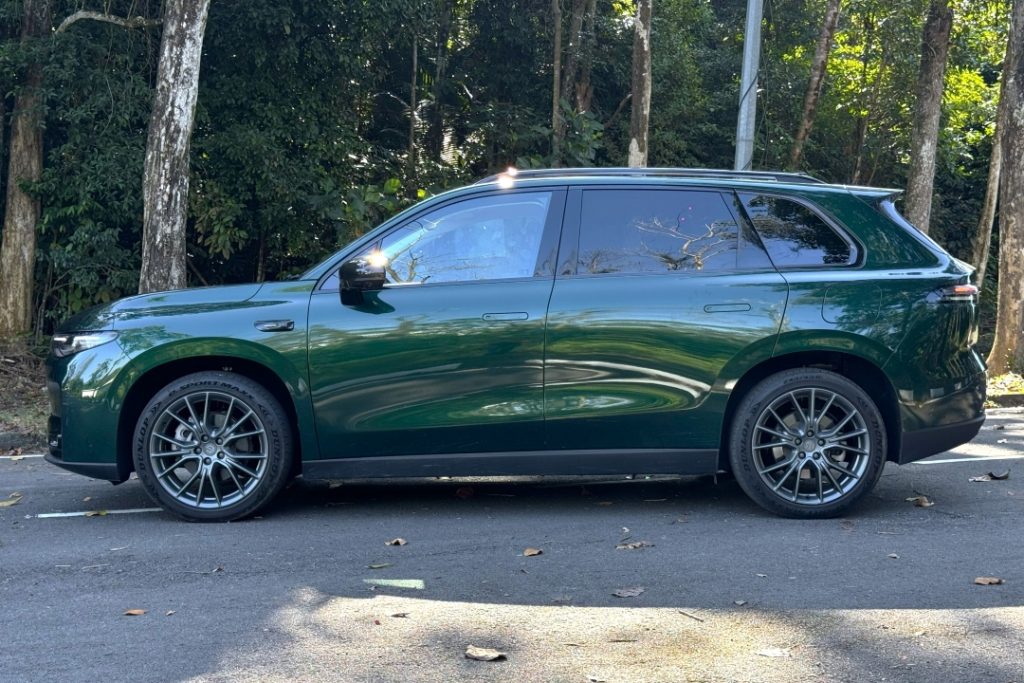
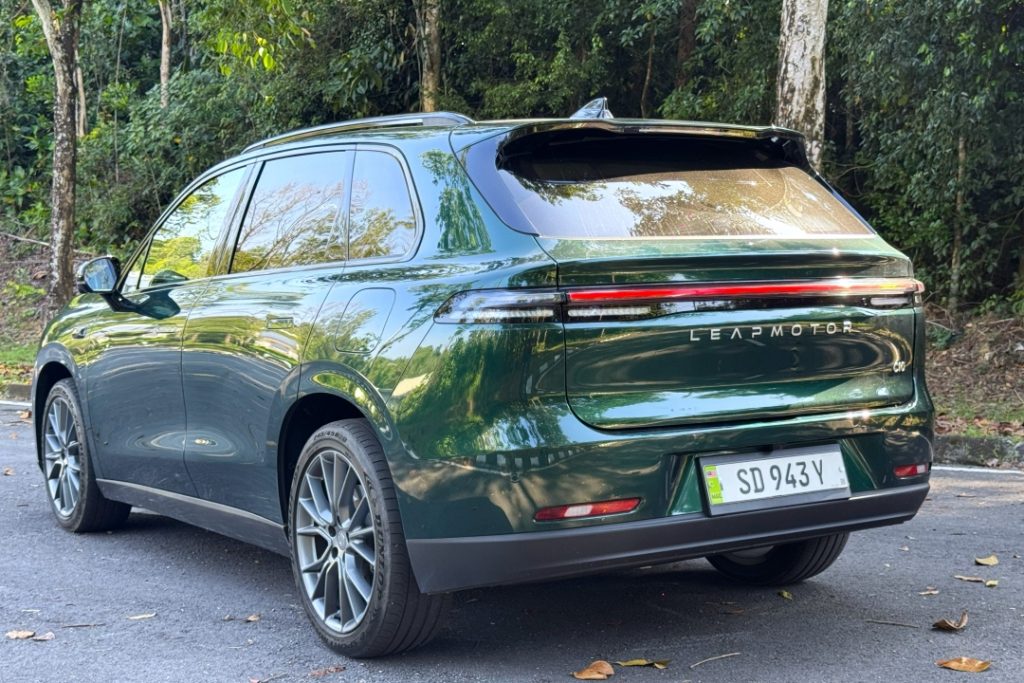
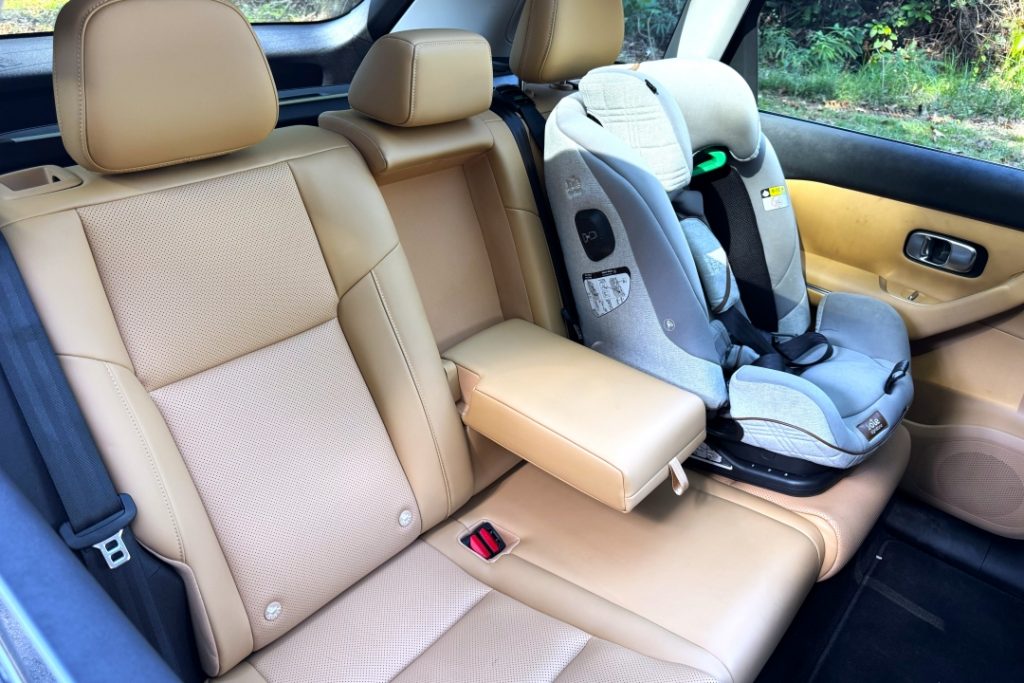
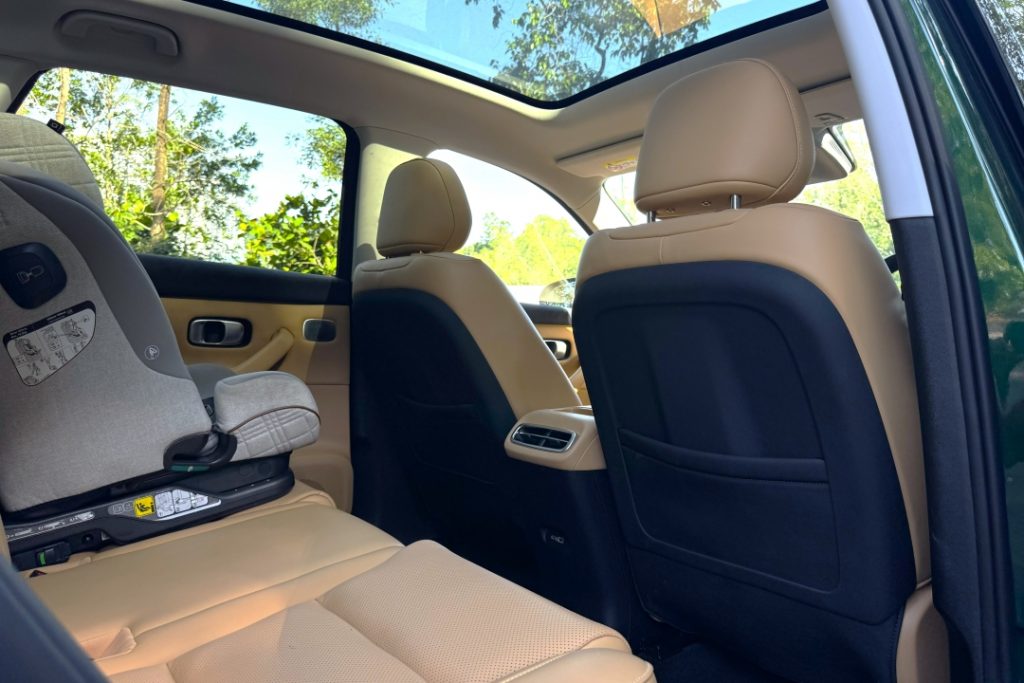
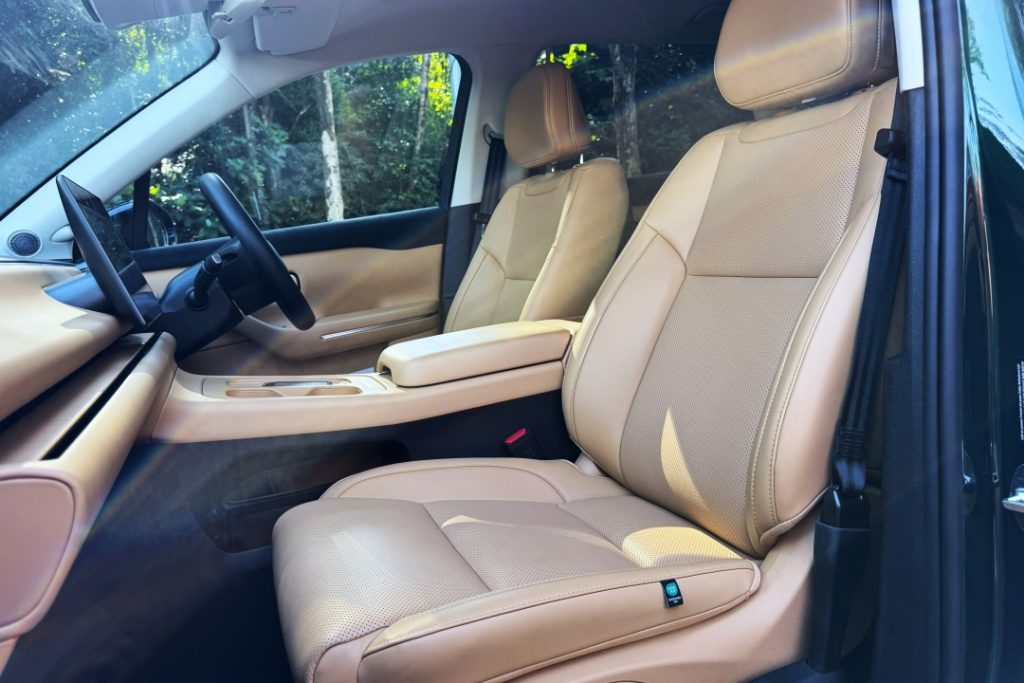
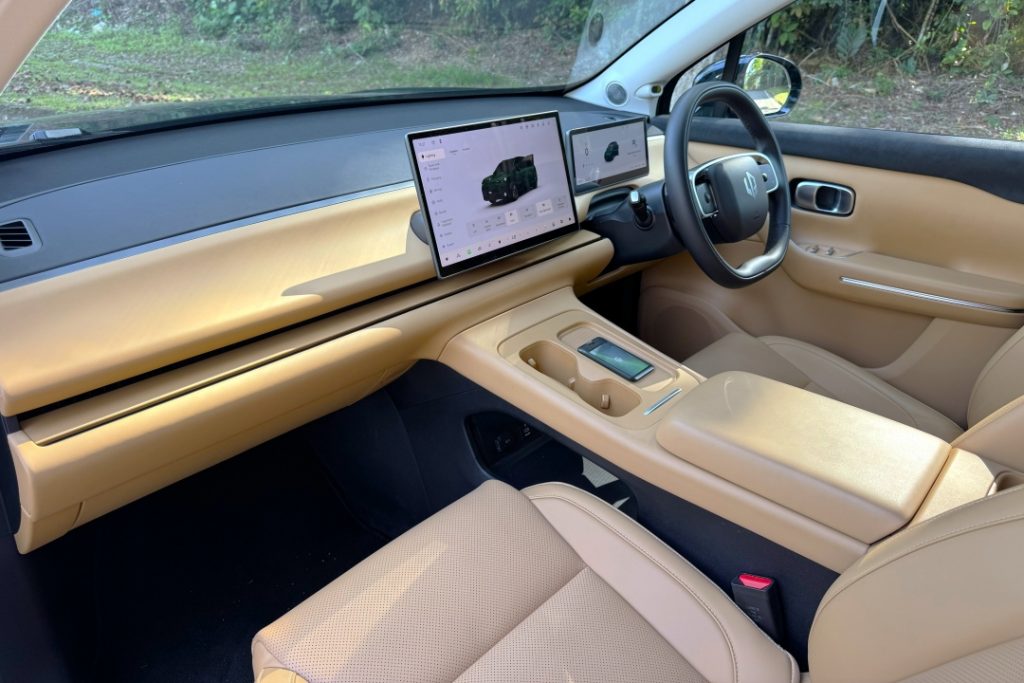
That rear cabin is enormous. Adults over six feet tall can comfortably sit behind another tall driver without knees pressing into the front seatback, while the flat floor helps the rear bench feel properly usable for three passengers. For families juggling child seats, grandparents, school bags, groceries, or long balik kampung journeys, this matters much more than aggressive acceleration figures.
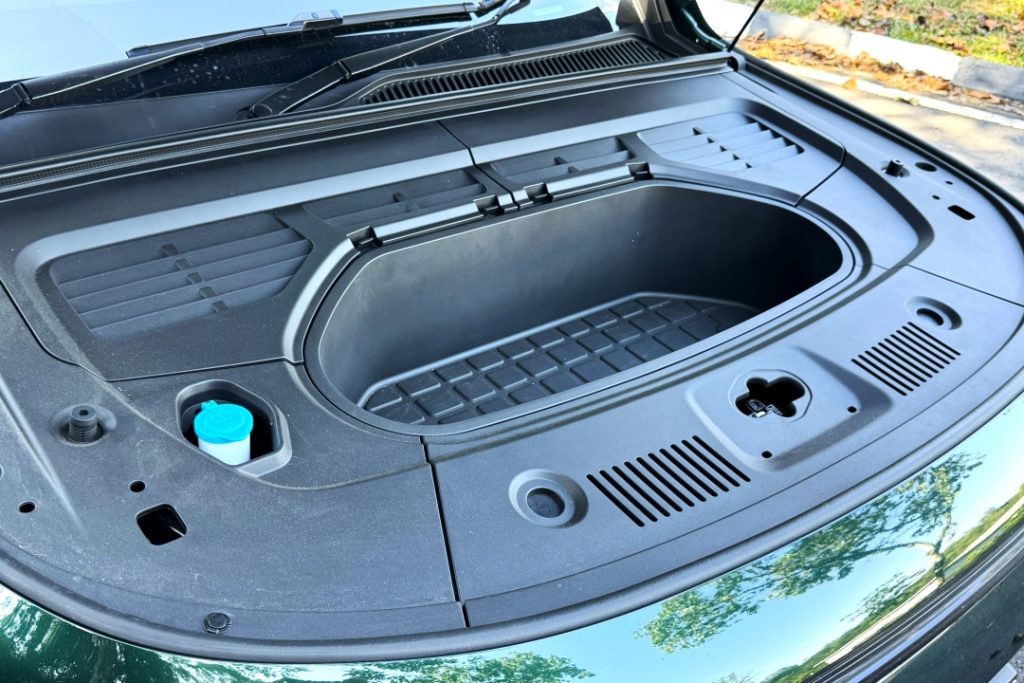
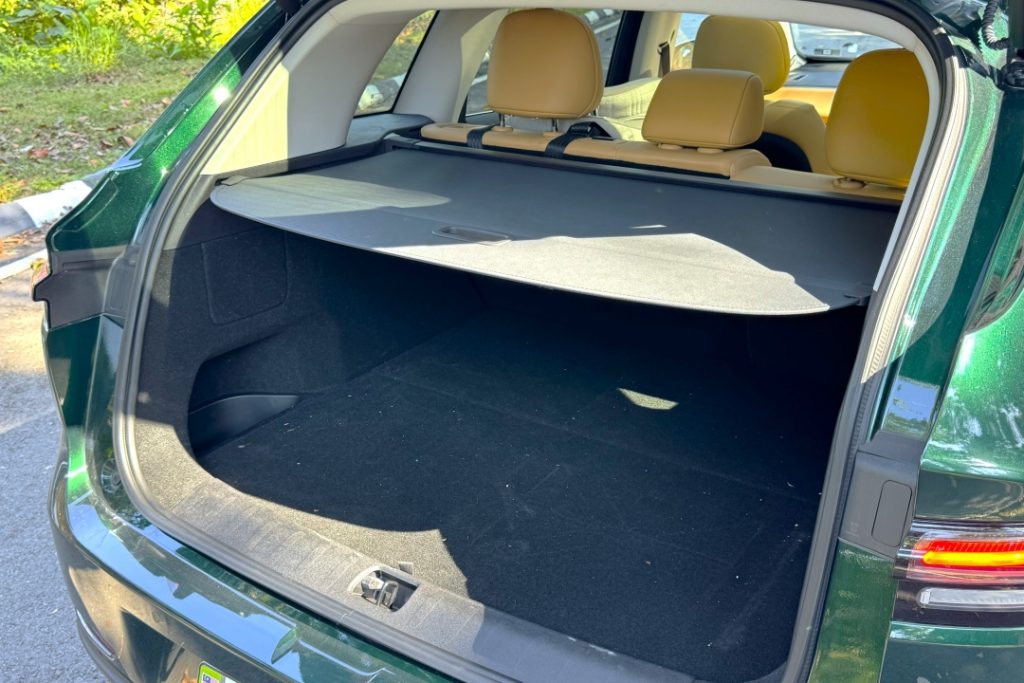
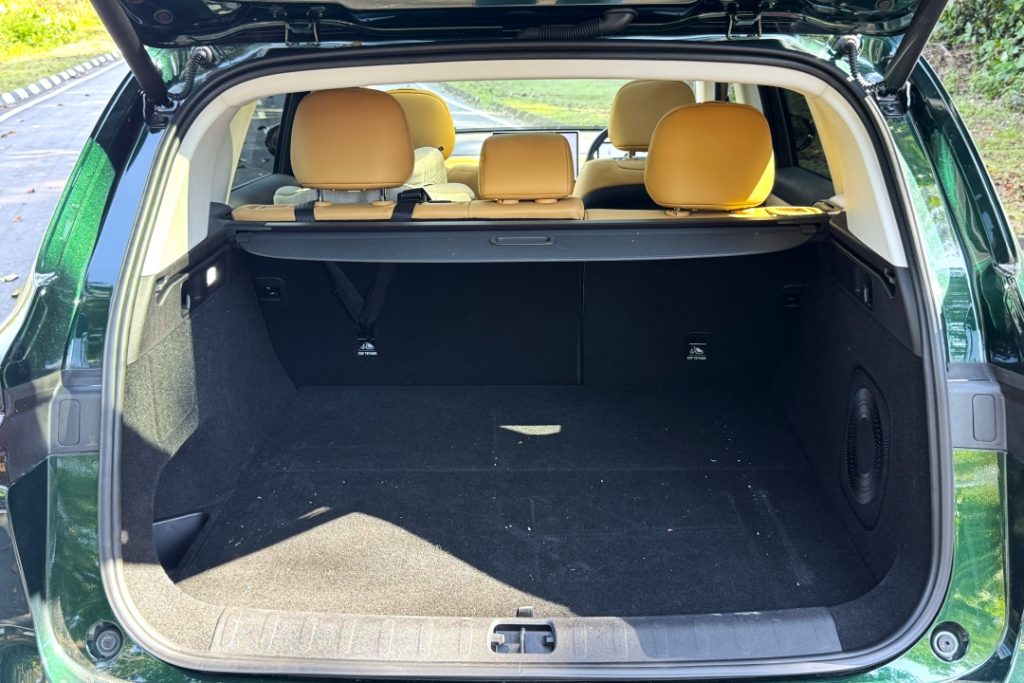
Furthermore, the updated Malaysian-spec model feels more thoughtfully rounded than before. A new 32-litre frunk now provides a practical place to store charging cables or emergency items, while the addition of a proper tonneau cover improves boot usability. Leapmotor has also added direct TPMS, which feels like a small but genuinely useful upgrade for daily ownership.
None of these additions are individually revolutionary. But collectively, they make the C10 feel more complete.
The NFC card entry system however, feels more novelty-driven. While it works as intended, most drivers will probably still prefer to use a conventional keyless entry system anyway, since simply keeping the key fob in your pocket is ultimately more intuitive during daily use.
Charging Setup Finally Feels Competitive
One of the earlier C10’s biggest weaknesses was its slower 6.6kW AC charging capability, which has been addressed in a 2025 update. This updated C10 now supports 11kW AC charging which significantly improves daily usability. Leapmotor claims the upgraded onboard charger reduces 30% – 80% percent charging time to four hours (from the previous six).
This improvement matters more because despite attention usually given to ultra-fast DC charging, most EV charging in Malaysia still happens slowly overnight — at work, at condos, at landed homes.
The improved AC charging makes the C10 feel more convenient in real-world ownership. DC charging, however, remains capped at 84kW, filling the 69.9kWh LFP battery from 30-80% in 30 minutes.
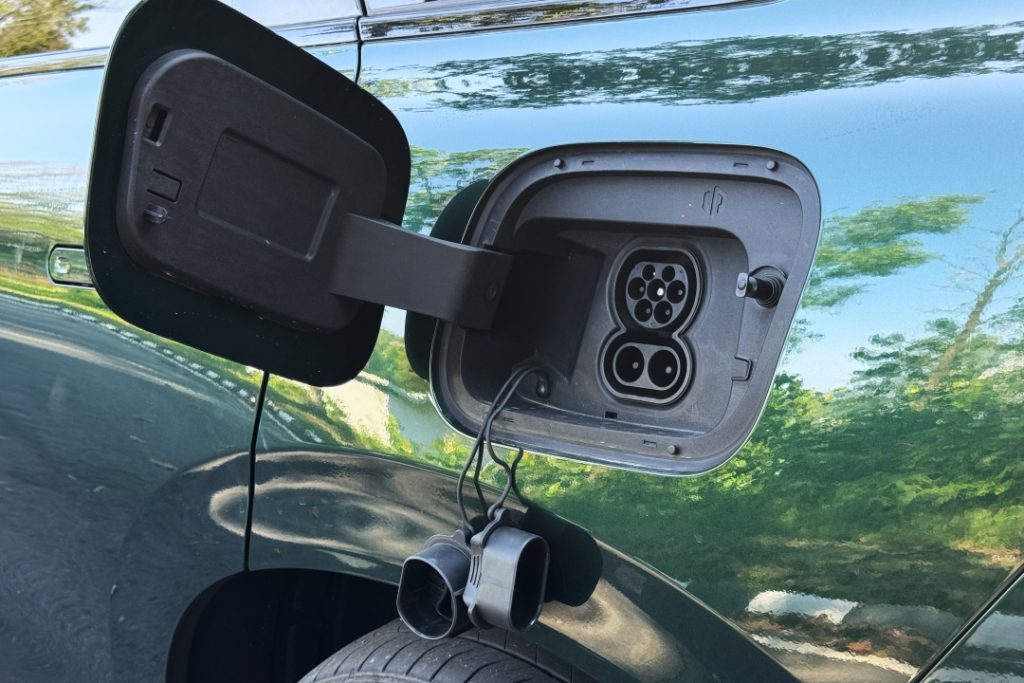
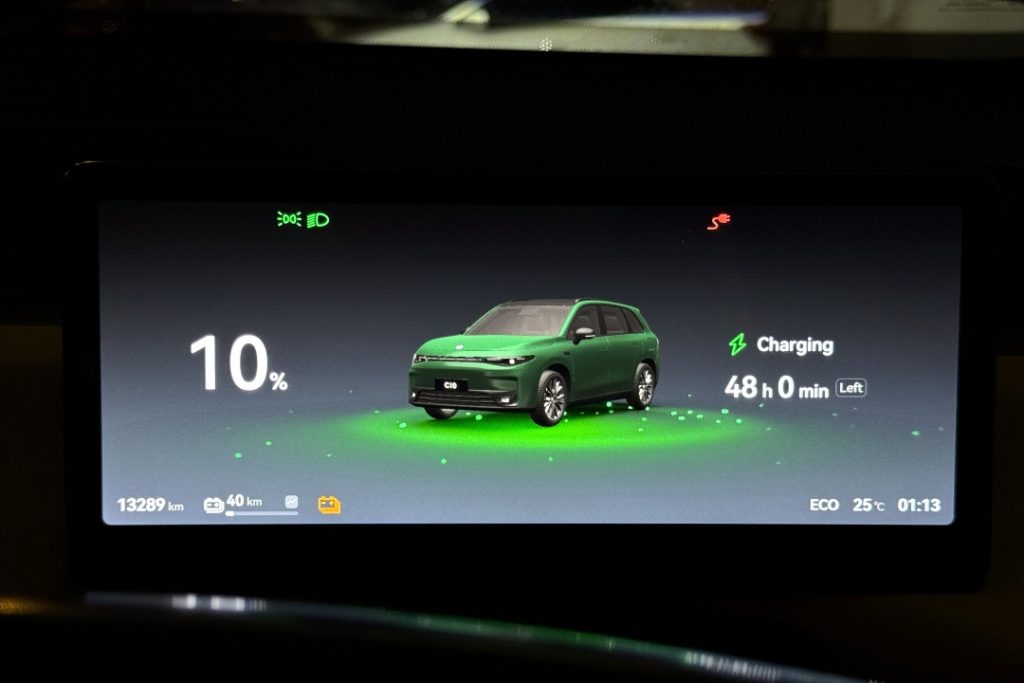
For urban users, that is unlikely to become a major issue. Most Klang Valley owners may realistically only need to charge once or twice a week. However, drivers regularly travelling between Kuala Lumpur, Penang, Johor Bahru, or the East Coast may feel the limitation.
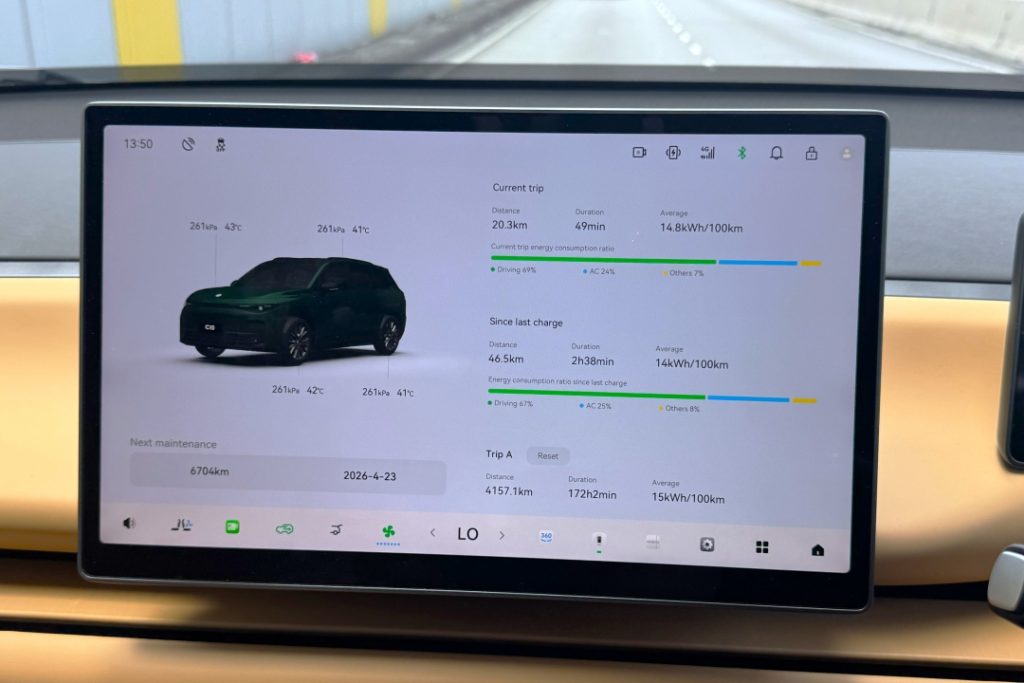
The standard C10’s 424km WLTP-rated range feels reasonably realistic for its intended role.
In typical urban and mixed-driving conditions, most owners are unlikely to experience meaningful range anxiety during daily use. Realistically, the C10 should comfortably handle several days of commuting before needing a recharge, depending on driving habits and air-conditioning usage.
For interstate travel, a Kuala Lumpur-to-Penang journey will still require a charging stop, but the car’s efficiency and refinement make long-distance cruising feel far less stressful than some earlier EVs. The bigger limitation is not necessarily the range itself, but the relatively modest DC charging speed compared to some rivals that are offering 150kW or more.
The Ride Quality Is The Selling Point
Inside, the selling point of the C10 is not the touchscreen. It is the suspension.
Under the Stellantis umbrella, Leapmotor benefited from chassis and ride tuning input courtesy of Maserati engineering expertise. Normally, this kind of claim risks sounding like marketing fluff. But here, you can feel the difference.
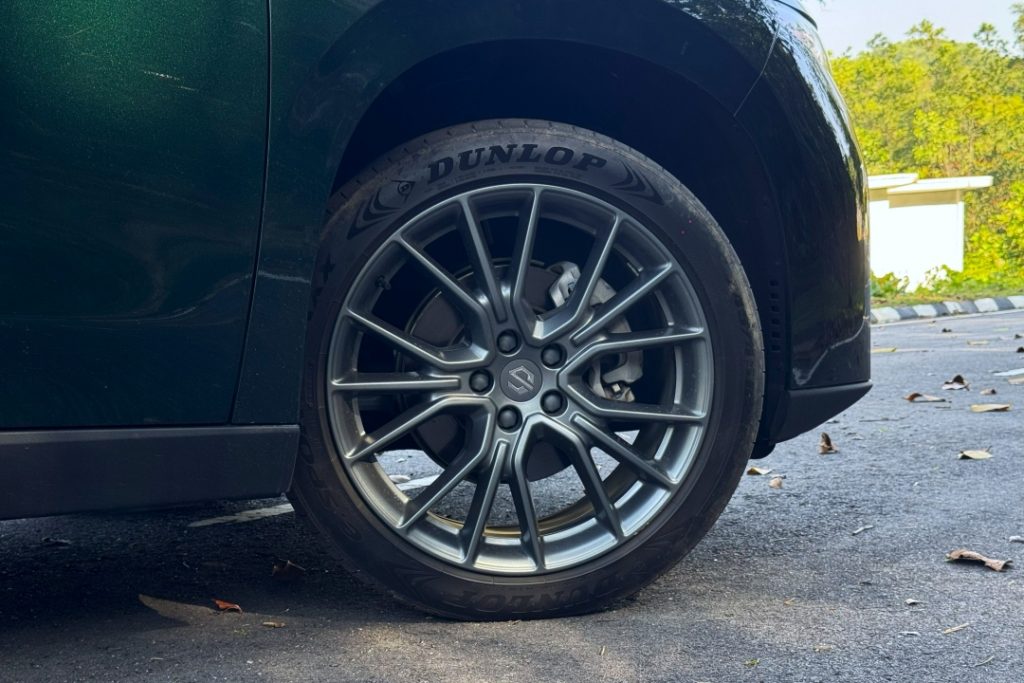
The C10 rides with a maturity many EVs still struggle with. This matters in Malaysia because our roads expose poorly tuned EVs very quickly. Heavy battery SUVs paired with oversized wheels often become tiring over potholes, patched tarmac, and uneven city roads. But the C10 manages to avoid most of this harshness remarkably well.
Around Klang Valley traffic, the suspension remains composed without the floaty feeling. It absorbs broken surfaces cleanly while maintaining enough body control to feel settled at highway speeds. In fact, the C10’s biggest strength may be how normal it feels.
There is no exaggerated “sporty EV” stiffness here, and no fake futuristic driving character. It just behaves like a properly sorted family SUV. And that is probably harder to achieve than building an EV full of party tricks.
The single rear-mounted motor produces 218 PS and 320 Nm, delivering a 0-100 km/h time of 7.5 seconds. In reality, the numbers matter less than the calibration itself. Power delivery is smooth, predictable, and quiet enough that it feels adequately fast without trying too hard to impress.
The Software Experience Still Needs Work
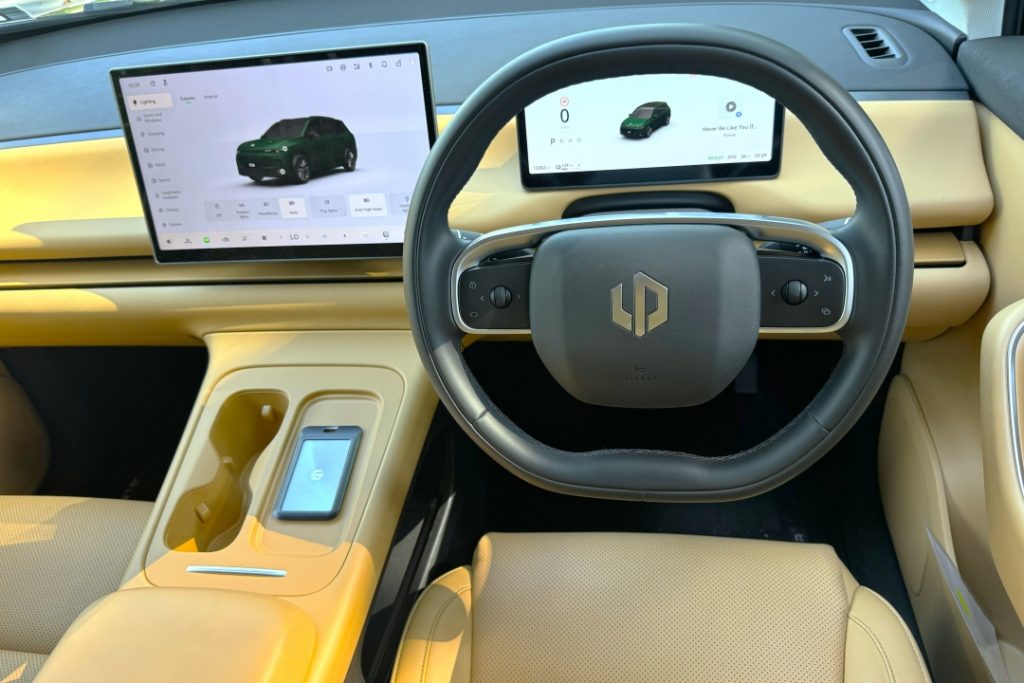
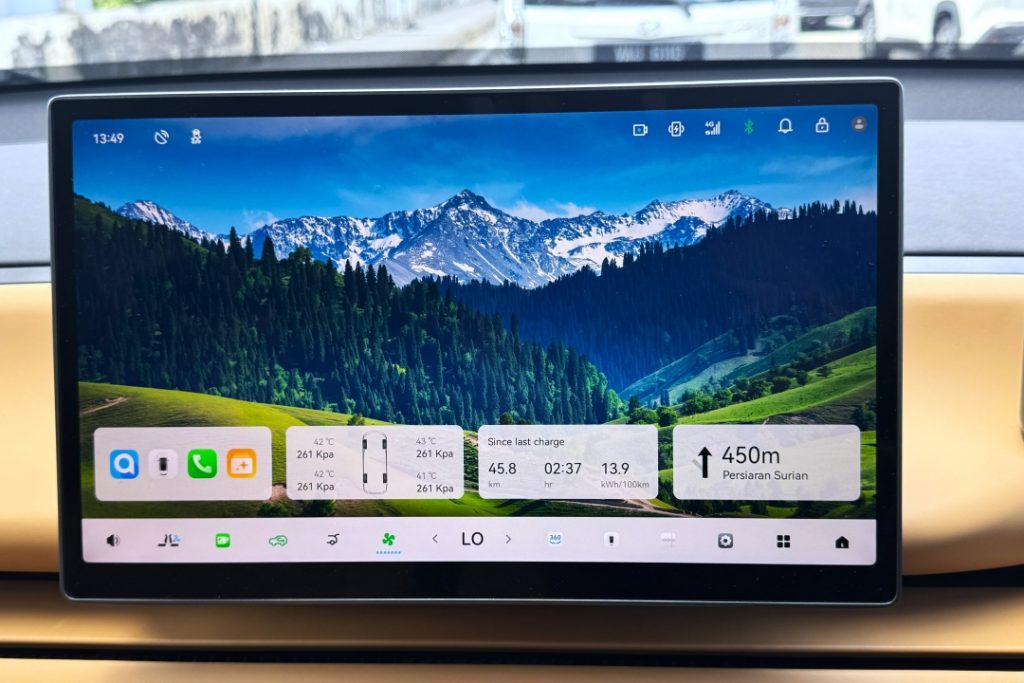
For a vehicle that gets so many fundamentals right, the Leapmotor C10 unfortunately suffers from one frustrating omission that is increasingly difficult to defend in 2026: it still lacks Apple CarPlay and Android Auto support.
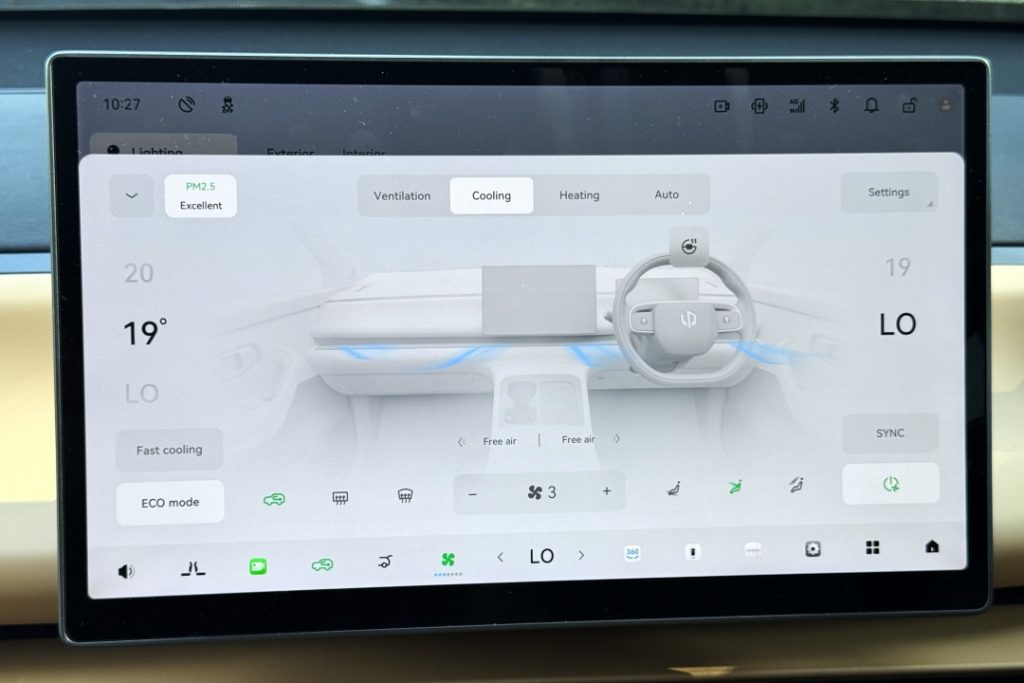
And this is not a minor issue anymore. In Malaysia, smartphone integration has effectively become an expected feature across almost every price segment. Drivers rely heavily on Waze, Google Maps, Spotify etc. The C10’s native interface may look contemporary enough, but it still cannot fully replace the convenience and familiarity of proper smartphone mirroring.
This becomes especially noticeable during daily driving. Switching between navigation, music, and vehicle functions through the central touchscreen display can also feel unnecessarily distracting. This is ironic as the the rest of the C10 feels thoughtfully engineered for real-world use.
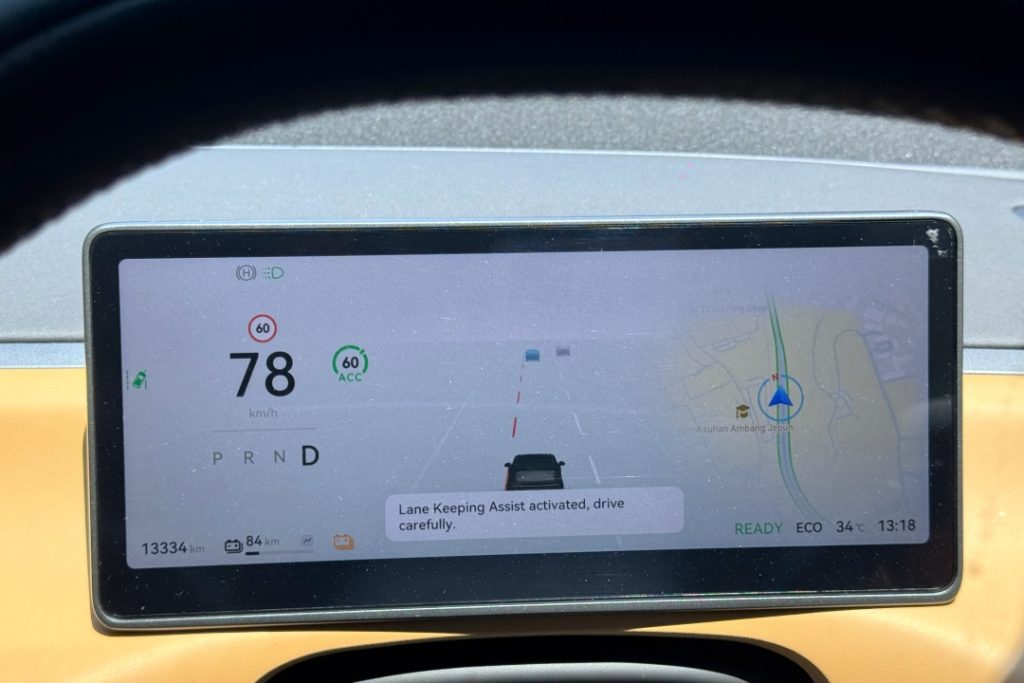
Beyond infotainment, the C10’s ADAS calibration is another area that feels slightly misaligned with Malaysian driving conditions.
On paper, the safety suite is comprehensive. In practice however, it can feel overly sensitive on local roads where lane markings are inconsistent or faded. Lane-keeping assistance in particular tends to intervene more actively than expected, resulting in occasional steering corrections that can feel unnecessary in everyday traffic.
At the same time, speed-limit warnings and driver alerts can become repetitive, adding to the overall audio “noise” inside the cabin during normal driving. It does not make the system unsafe but it reflects a calibration that is still heavily safety-forward and that can make the driving experience feel more alert-heavy than relaxed. For some drivers, this may simply require time to adapt or selective adjustment of the system settings.
Should You Just Buy The Leapmotor C10 Plus Instead?
On paper, the Leapmotor C10 Plus makes a very convincing case for itself. Compared to the standard model, the Plus receives:
- a larger 81.9 kWh battery
- longer 510 km WLTP range
- stronger 299 PS output
- faster 0-100 km/h acceleration
- significantly faster 180 kW DC charging
The Plus is objectively the better EV. But it is not automatically the better buy.
Because the standard C10 already delivers the core experience most Malaysian families will actually use every day:
- spacious cabin
- comfort-oriented ride
- quiet refinement
- practical usability
- strong equipment levels
The Plus improves performance and long-distance convenience, but it does not fundamentally transform the ownership experience unless your lifestyle genuinely requires frequent interstate travel, or you live in a high-rise and charging infrastructure isn’t a convenient reach.
The standard C10 actually feels more aligned with the realities of Malaysian ownership. Most buyers are not chasing Nürburgring lap times. In fact, many are just:
- sitting in traffic.
- doing school runs.
- driving to work.
- heading to supermarkets / mamak.
- and sometimes doing the balik kampung trip during holidays.
And for these tasks, the standard car already feels complete enough.
The Biggest Unknown Is Not The Product
Ironically, the biggest question surrounding the C10 is probably not the car itself, but everything around it. Malaysian buyers can be a demanding lot, needing confidence in long-term aftersales support, parts availability, software stability, resale value.
Because while the C10 itself feels surprisingly mature, the long-term ownership story will ultimately depend on how well Leapmotor and Stellantis support customers several years down the line. Still, judged purely as a product, the C10 is far more convincing than many people may expect.
Verdict: One Of Malaysia’s Most Rational EVs — With A Catch
The most impressive thing about the Leapmotor C10 is not that it feels futuristic. It is that it does not need to.
At RM125,000, the standard C10 delivers a combination of space, comfort, refinement, and real-world usability that makes many traditional petrol SUVs feel difficult to justify at their current pricing.
Ride quality is one of its strongest attributes. Cabin space is generous enough to comfortably serve families. Efficiency and charging behaviour are good enough for the urban dweller. In almost every mechanical and practical sense, the C10 feels far more complete than its price tag suggests.
However, the experience is not entirely flawless.
The software layer still needs refinement. The absence of Apple CarPlay and Android Auto remains a daily usability gap, while the ADAS calibration can feel overly sensitive. These are not absolute deal-breakers, but they do prevent the C10 from feeling fully polished.
Between the standard C10 and the Leapmotor C10 Plus, the value equation remains clear: the standard car is the rational choice for most buyers, while the Plus only becomes compelling if long-distance travel and faster charging are genuine priorities.
Ultimately, the C10 succeeds for a simple reason. It proves that an affordable EV can feel like a proper family SUV first, and an electric vehicle second. It just does not yet feel like a perfectly refined one in every digital detail.