Geely Sees A Future Beyond Battery EVs With Multiple Alternatives

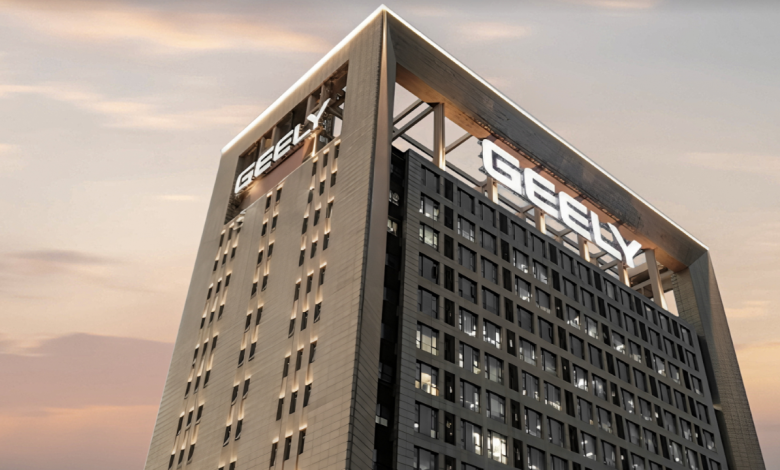
Buried within the launch of Geely’s new AI-powered hybrid system is a much bigger story: the group’s vision for a future beyond battery EVs. As China’s electrification race becomes increasingly complex, Geely appears determined not to bet on a single solution.
Alongside the launch of its new i-HEV intelligent hybrid system, chairman Li Shufu has also doubled down on methanol as a serious long-term pathway for cleaner transport. Taken together, these developments point to something far bigger than a technology launch.
Geely is building a multi-track future mobility strategy spanning methanol, conventional hybrids, plug-in hybrids and battery-electric vehicles. This comes as no surprise as the China government had applied policies that involve charging infrastructure, hydrogen and methanol refueling, and battery swapping.
Methanol For Heavy-Duty Use, Hybrids For Mainstream Passenger Cars
The methanol side of the story remains one of the more unconventional directions in China’s green mobility push. At the 2026 China Smart Electric Vehicle Development Forum, Li mentioned that lithium battery EVs can weigh nearly twice as much as comparable methanol-powered vehicles, particularly in long-haul and heavy-duty applications. This factor has direct implications for logistics efficiency, affecting both payload capacity and long-term road surface wear.
Mr Li also argued that methanol offers more than 10 times the energy density of lithium-ion batteries, making it potentially better suited for freight, logistics and commercial transport.
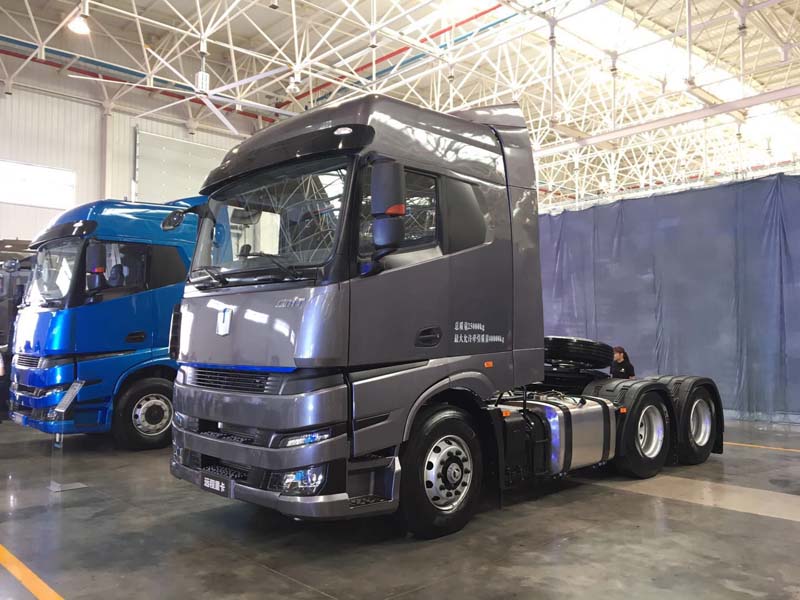
That remains highly relevant for future trucks and industrial fleets. Geely has delved into methanol powertrains for a couple of decades. Geely’s Farizon Auto even launched heavy-duty trucks powered by methanol in 2019. Another advantage is production flexibility, as methanol can be derived not only from fossil sources but also from biomass, including non-food feedstock.
But Geely’s latest hybrid move also suggests the group sees mainstream passenger vehicles taking a different route.
AI-Powered i-HEV Targets Established Hybrid Tech
Just days after the methanol comments, Geely officially unveiled its new i-HEV intelligent hybrid system, a full hybrid platform powered by AI-based energy management.
The system uses real-time environmental data — including temperature, humidity and altitude — to optimise energy usage on the move. In other words, the car continuously adjusts how it blends petrol and electric power depending on real-world driving conditions. This is a direct shot at the territory long dominated by Toyota.
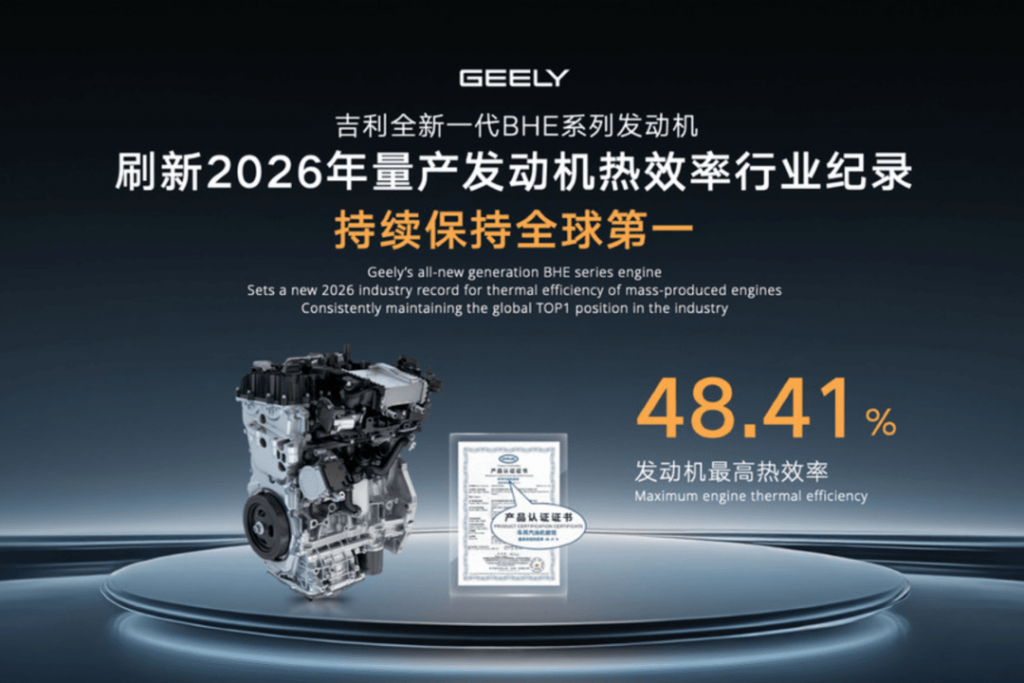
Geely claims the dedicated hybrid engine achieves 48.4% thermal efficiency, placing it among the highest for a mass-produced system today.
More notably, a Guinness-certified test run recorded fuel consumption as low as 2.22L/100km, while production models such as the Preface i-HEV and Monjaro i-HEV are quoted at under 4.0L/100km and 4.75L/100km respectively.
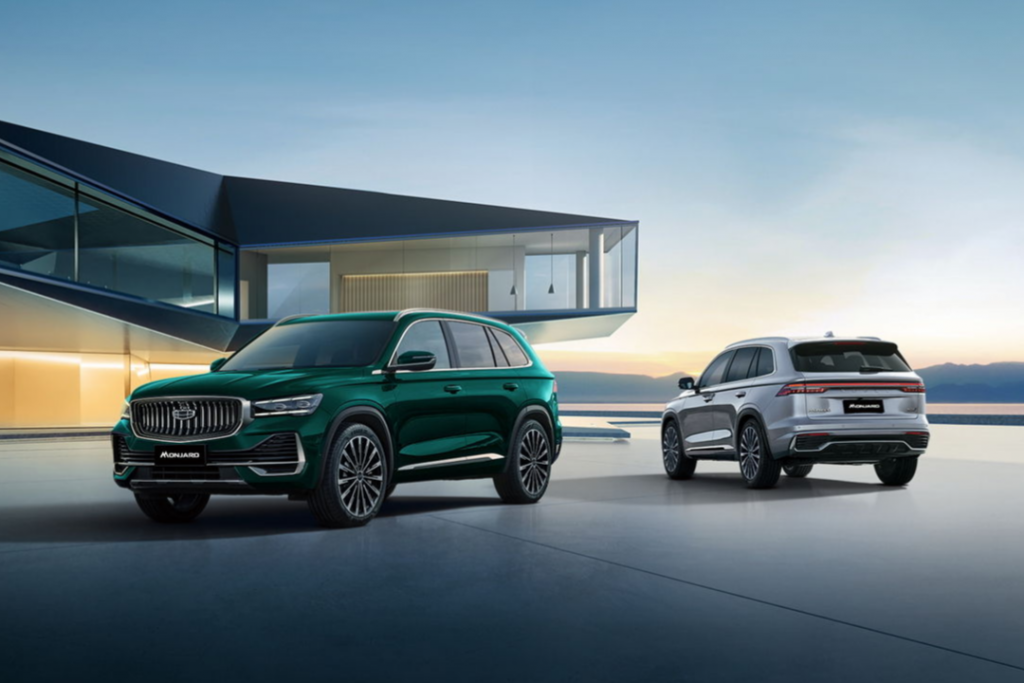
That is a serious benchmark in a segment where Toyota’s hybrid systems have historically set the standard.
Geely Is Refusing To Bet On A Single Winner
This is where the story becomes far more interesting than methanol alone. Rather than choosing between EVs, hybrids or alternative fuels, Geely is clearly spreading its bets across multiple energy pathways.
For city and family cars, highly efficient AI-driven hybrids make immediate commercial sense. For long-haul trucks and heavy-duty use, methanol may offer better weight and payload efficiency. For plug-in and full EV models, Geely continues to expand through its broader new energy vehicle portfolio.
This diversification could also be strategically relevant for markets like Malaysia.
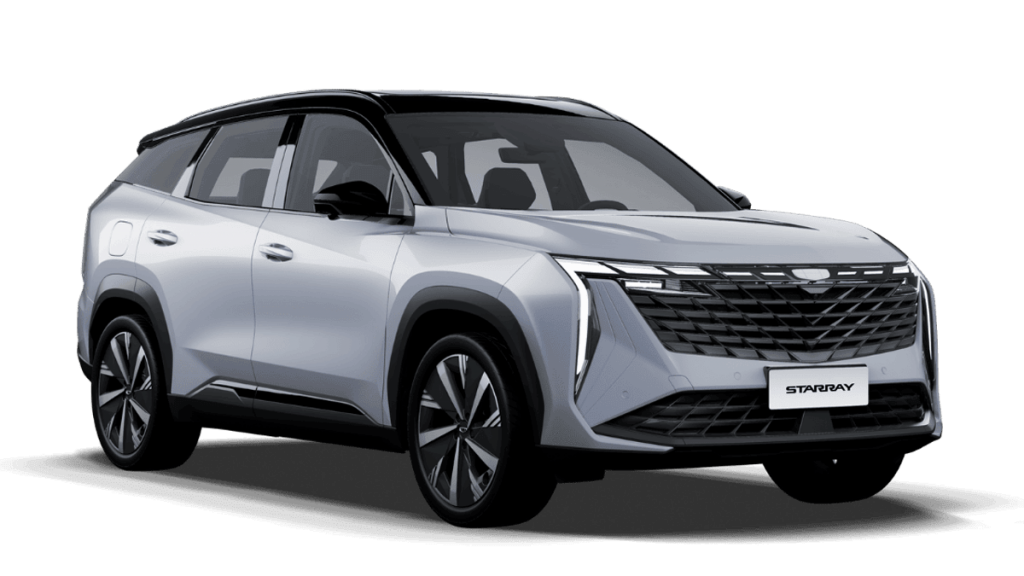
With PROTON remaining part of the broader Geely ecosystem, future product direction in China often offers an early indication of what technologies may eventually influence ASEAN markets.
Why This Matters For Malaysia
For Malaysian buyers, the immediate near-term takeaway is likely the hybrid side rather than methanol.
High-efficiency hybrids remain far easier to introduce into local market conditions because they do not require new fueling infrastructure. Methanol, on the other hand, remains more relevant for commercial fleets and long-term industrial transport considerations.
Still, the bigger takeaway is strategic. The future of mobility may no longer be a simple EV-versus-ICE debate. Instead, it could become increasingly use-case driven.
CarTok.my Editor’s Note
Geely’s latest moves suggest the industry is quietly moving beyond the “one technology will win” narrative. Batteries for some cars. AI hybrids for others. Methanol for trucks and long-distance transport.
This is not indecision. This is a manufacturer preparing for a future where the best powertrain depends entirely on what the vehicle is expected to do. And this may be the most realistic approach yet.