In an industry where battery fires are a worst-case scenario, Chery Malaysia decided to bring that scenario forward—and put it on display.
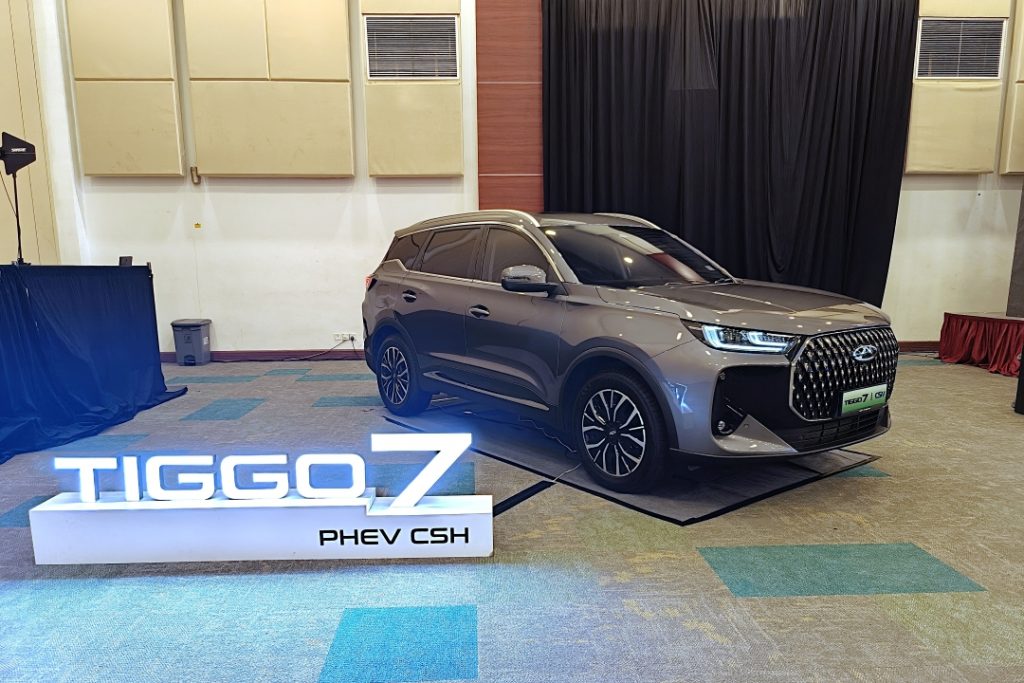
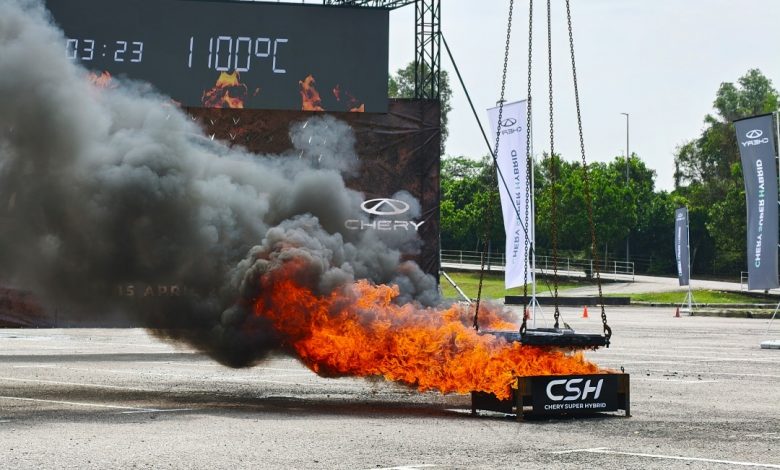
At the Chery Super Hybrid Battery Safety Challenge 2026 held at MAEPS, Serdang last week, the brand subjected its plug-in hybrid battery—used in the Tiggo 7 PHEV and Tiggo 8 PHEV—to a live fire test in front of media and officials. The objective was simple: demonstrate how the battery behaves when pushed well beyond normal operating conditions.

A Controlled Burn, Not A Lab Simulation
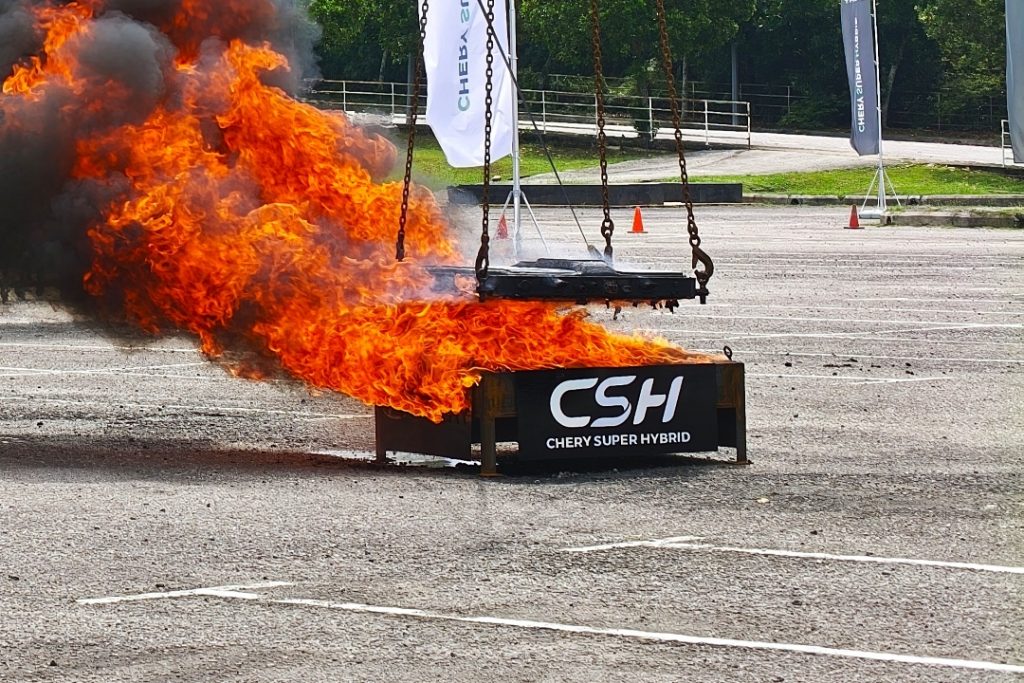
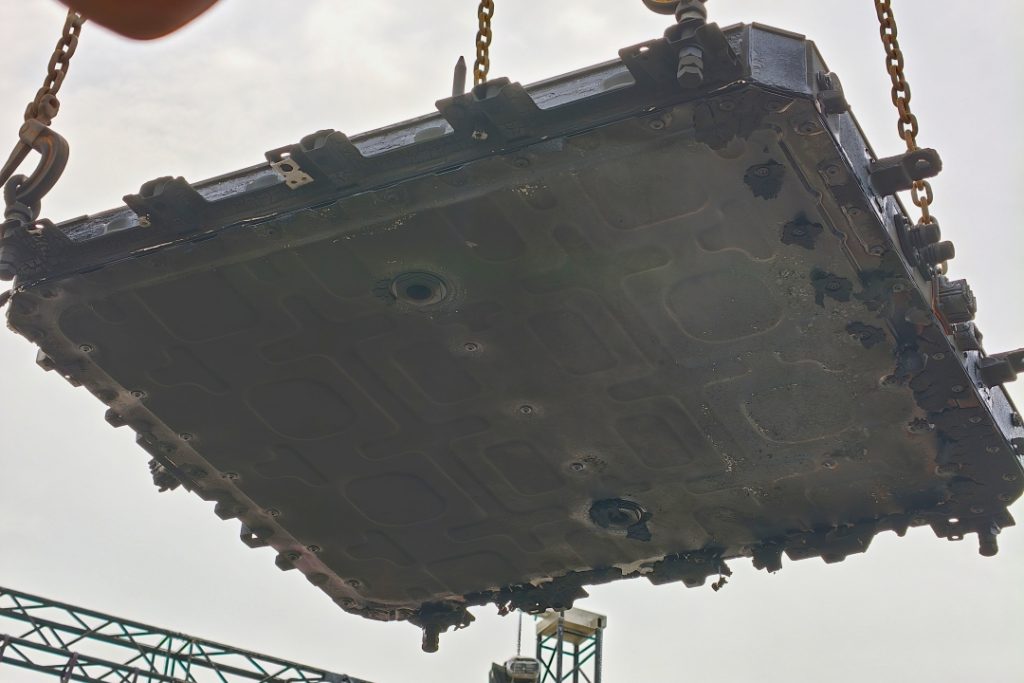
The test involved lowering and suspending the battery pack over an open flame fueled by about 35 litres of RON95 petrol, with temperatures peaking at approximately 1,100°C. The exposure lasted 80 seconds (1 minute 20 seconds)—long enough to trigger concern in most real-world scenarios.
For context, controlled lab standards typically test batteries at around 800°C for 105 seconds. This demonstration exceeded that temperature threshold, albeit for a shorter duration.
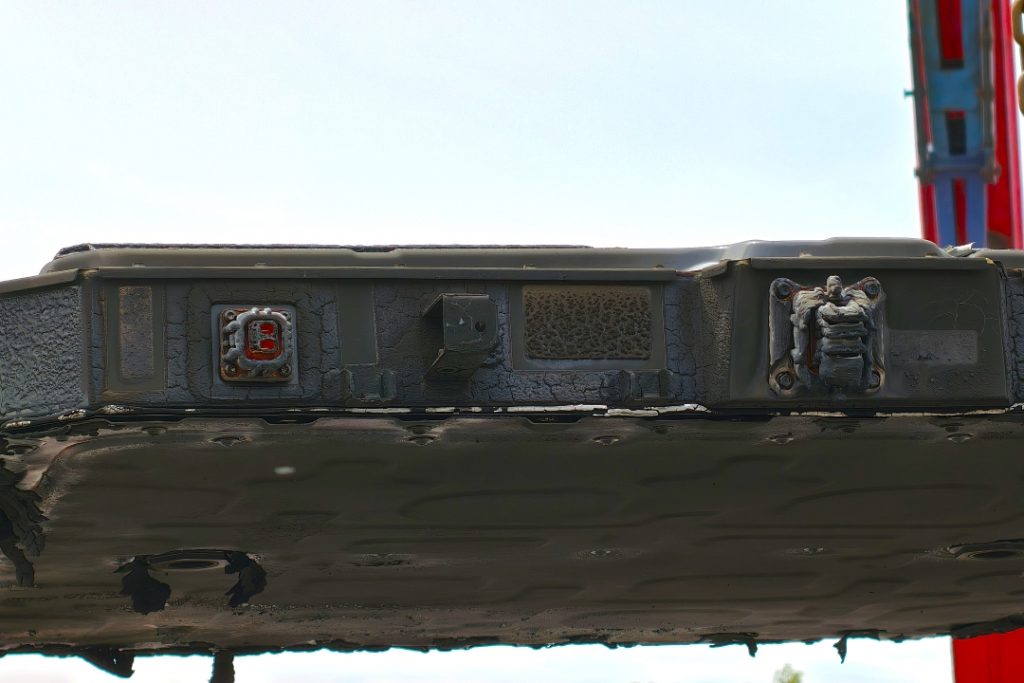
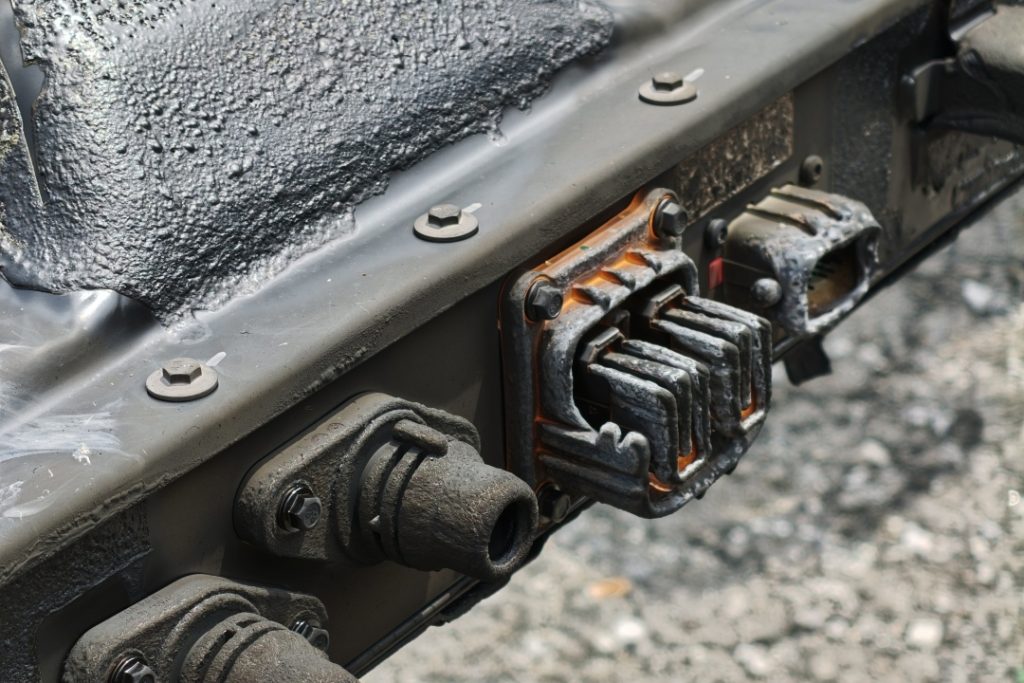
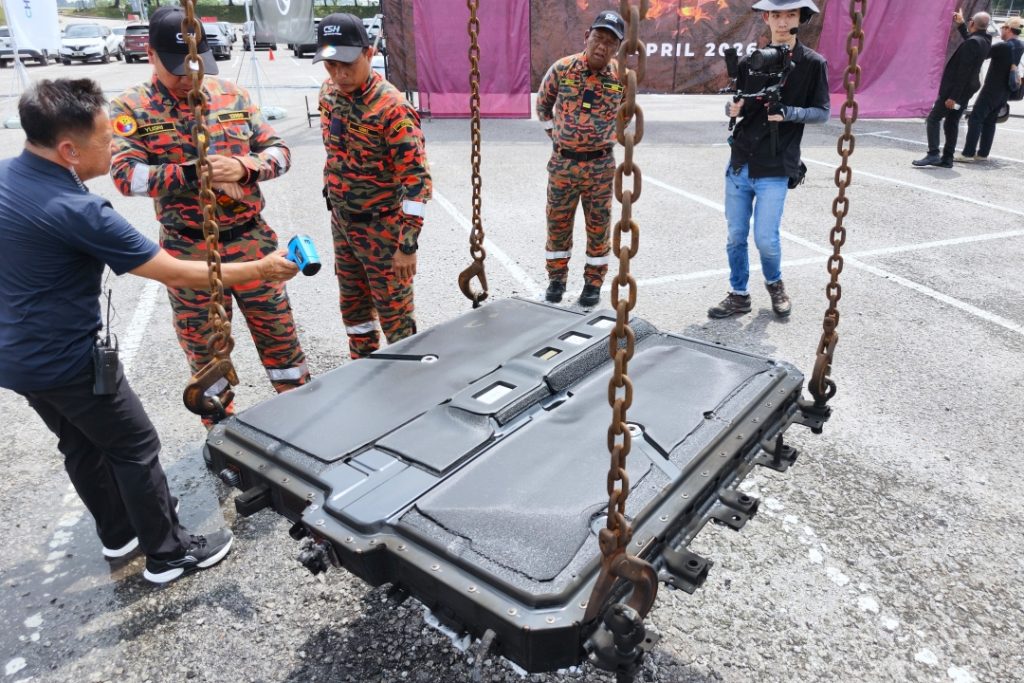
When the flames died down, the outcome was clear—No explosion, no thermal runaway and no structural collapse or electrical failure.
Externally, the casing showed signs of heat damage, particularly to the connectors. Internally, however, the cells remained largely unaffected—exactly what the system is designed to achieve.
What The Test Actually Proves
This wasn’t about making a battery “fireproof.” That’s not how EV or PHEV safety works.
The key takeaway is containment. In a worst-case scenario—say, a vehicle fire following a crash—the battery is engineered to resist heat intrusion and delay thermal propagation. In simple terms, it buys time.
And that time matters. According to the demonstration, the battery maintained its structural integrity long enough for occupants to exit safely, rather than triggering an immediate chain reaction.
Chery says this is achieved through a combination of heat-resistant construction, internal monitoring systems, and fail-safes such as rapid disconnection if abnormal conditions are detected. The system is also designed to meet China’s upcoming stricter EV battery safety regulations, set to take effect in July 2026.
Part Of A Bigger Global Test Programme
The fire test in Malaysia isn’t a one-off stunt. It’s part of Chery’s broader global validation programme, where the same battery system has been subjected to:
- Head-on and rollover crash tests
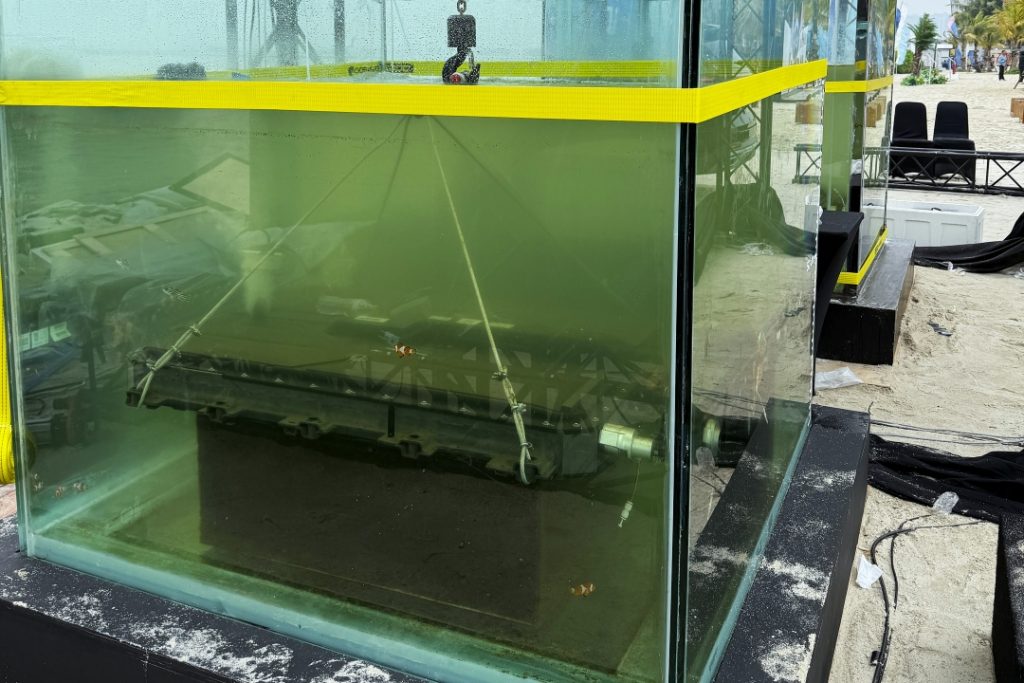
- Seawater immersion for over 50 hours
- Underbody impact and scraping tests
- Extreme heat and desert exposure
- Ballistic penetration testing
The idea is consistent: simulate extreme, sometimes unrealistic scenarios to validate structural integrity and failure control under stress.
Why This Matters In Malaysia
Battery safety remains one of the biggest barriers to electrified vehicle adoption locally. Heat, humidity, and real-world driving conditions all add to consumer scepticism.
By staging the test publicly, Chery is shifting the conversation from speculation to demonstration. Instead of telling buyers the battery is safe, they’re showing how it behaves when things go wrong.
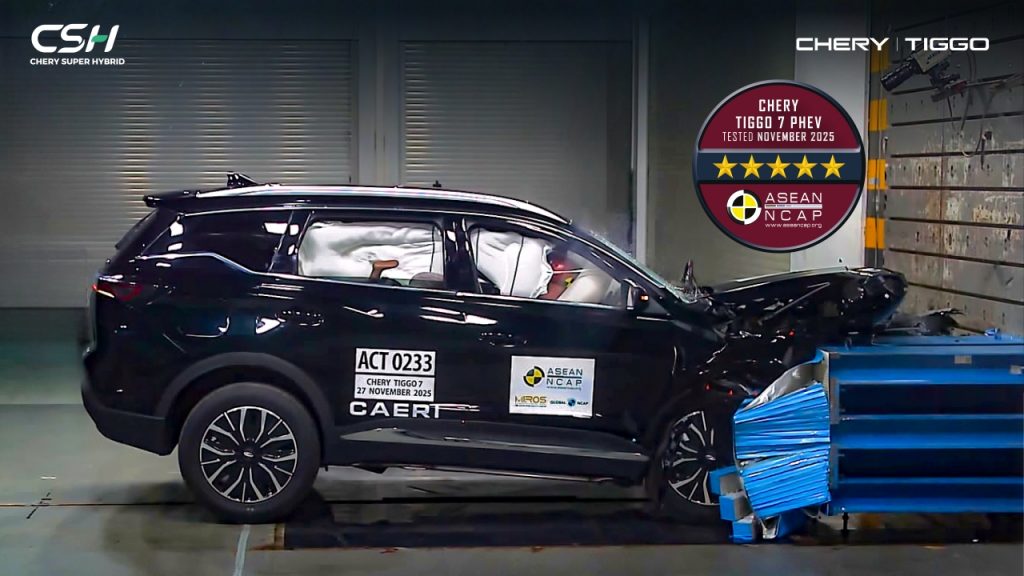
It’s also worth noting that the Tiggo 7 PHEV—one of the models using this battery—has already secured a 5-star ASEAN NCAP rating (with a record-breaking 94.68 score), reinforcing the broader safety positioning of the package.
CarTok Editor’s Note
This wasn’t just a spectacle—it was a controlled demonstration of failure management. No battery is immune to fire, but how it reacts under extreme stress is what defines real-world safety.
Most brands avoid talking about battery fires. Chery leaned into it—and made it the headline.