Sodium-Ion 12V Car Batteries: Why They Could Be the Next Big Upgrade for Your Car

For more than a century, most cars have relied on the same type of battery: the lead-acid battery. It’s reliable and affordable, but it also comes with some well-known downsides — it’s heavy, doesn’t handle heat particularly well, and usually needs replacing every couple of years.
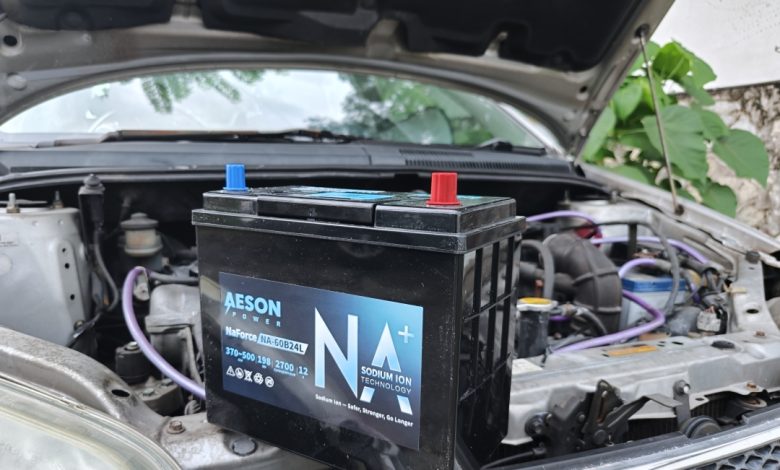
Now, a new alternative is starting to appear in the automotive world: sodium-ion 12V batteries — a newer battery technology designed to replace the traditional unit found in most cars today. Companies such as Aeson Power are developing these batteries as a direct replacement for the 12V battery used in most petrol, diesel, and hybrid vehicles.

Sodium-ion batteries work in a similar way to lithium-ion batteries found in smartphones and electric vehicles, but use sodium — a more abundant and lower-cost material — to store and release energy.
So what makes sodium-ion batteries different? And more importantly, why should everyday drivers care?
Here’s a simple breakdown.
Much Lighter Than Traditional Batteries
One of the biggest differences is weight.
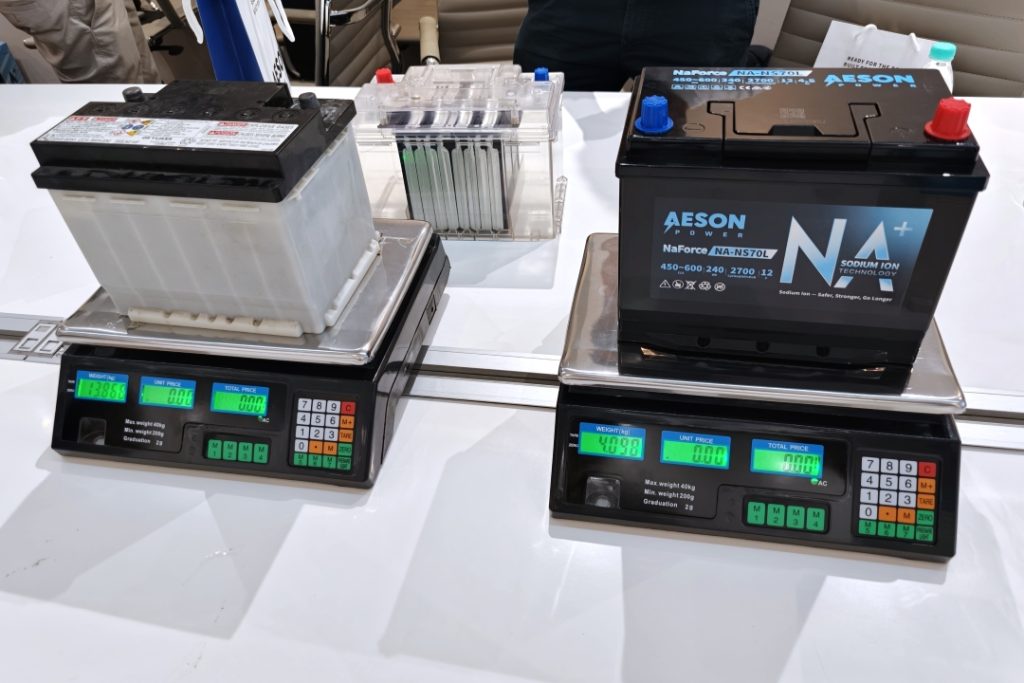
A typical lead-acid car battery weighs around 20 kg, which is why it can feel surprisingly heavy when you try to remove it from the engine bay.
Sodium-ion batteries, however, usually weigh between 4 kg and 8 kg — roughly 60% lighter.
That makes them easier to handle during installation and slightly reduces the overall weight of the car, which can help improve efficiency. In some cases, the lighter weight and more efficient charging may also contribute to small improvements in fuel efficiency.
Faster and Stronger Engine Starts
Your car battery’s main job is to start the engine.
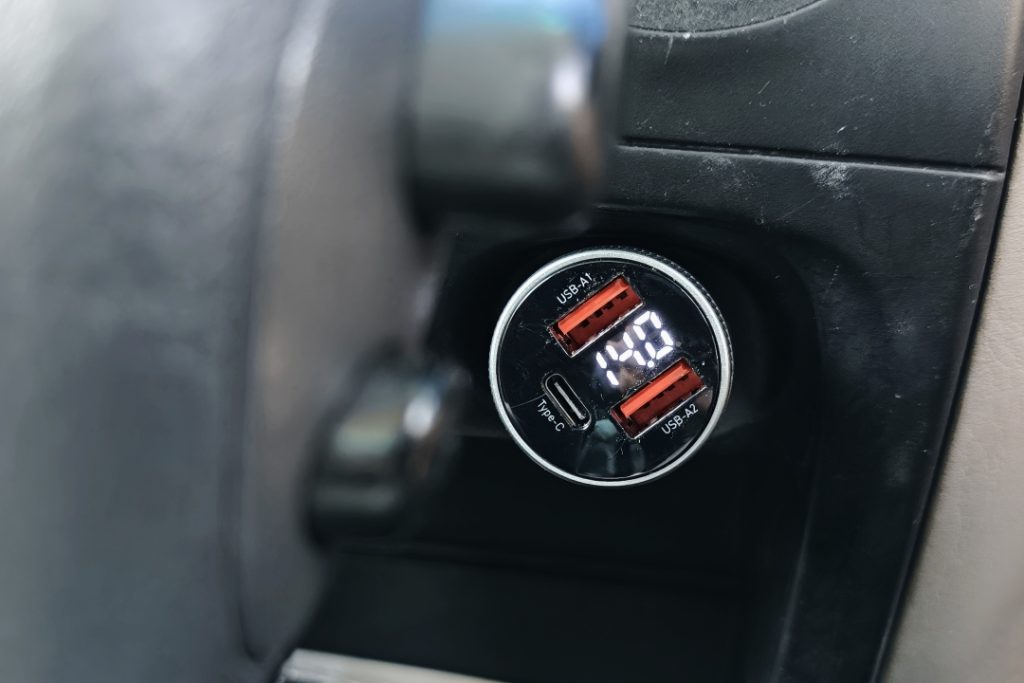
Sodium-ion batteries can deliver 2 to 3 times stronger starting power, which means the engine can crank faster and start more quickly — especially helpful in cold mornings or after the car has been parked for a long time.
Because they provide more stable electrical power, they may also help electronic systems operate more consistently, including components such as the air-conditioning compressor and infotainment system.
Much Longer Lifespan
One of the biggest frustrations with conventional batteries is how often they need to be replaced.
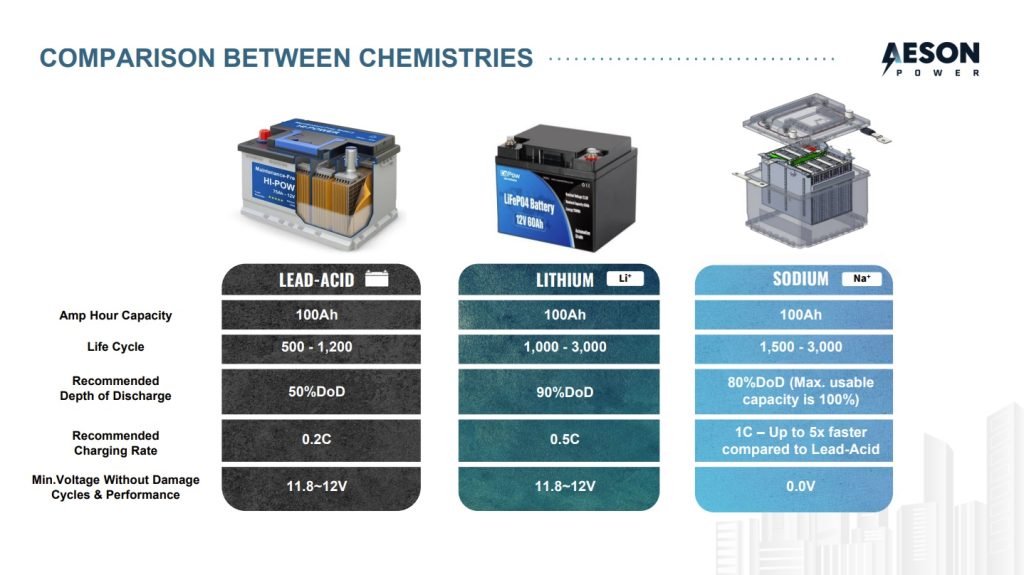
Most lead-acid batteries last around 1 to 2 years, and typically handle about 500 charge cycles before their performance starts to decline. In Malaysia’s hot climate, constant exposure to engine bay heat can shorten this lifespan even further.
Sodium-ion batteries are designed to last significantly longer, with over 3,000 cycles.
They are also engineered to cope with around 180,000 start-stop cycles, making them particularly suitable for modern cars equipped with automatic start-stop systems that shut off the engine at traffic lights. With such an extended lifespan, brands like Aeson Power are confident enough to offer up to 3 years’ warranty.
Faster Charging and More Usable Power
Another difference lies in how the battery stores and releases energy.
With lead-acid batteries, only about 50% of the stored energy can usually be used safely. Using more than that regularly can shorten the battery’s lifespan.
Sodium-ion batteries allow 80% to 100% of their stored energy to be used without damage.
They also charge much faster — up to five times quicker than a traditional battery.
In some cases, they can even recover from a fully drained state, something that would normally damage a conventional battery permanently. This can be particularly useful for cars that are parked or unused for extended periods.
Built to Handle Heat
Heat is one of the biggest enemies of car batteries, especially in countries with hot climates like Malaysia.
Engine bays can easily exceed 60°C, which can accelerate wear in lead-acid batteries and sometimes cause them to swell or degrade faster.
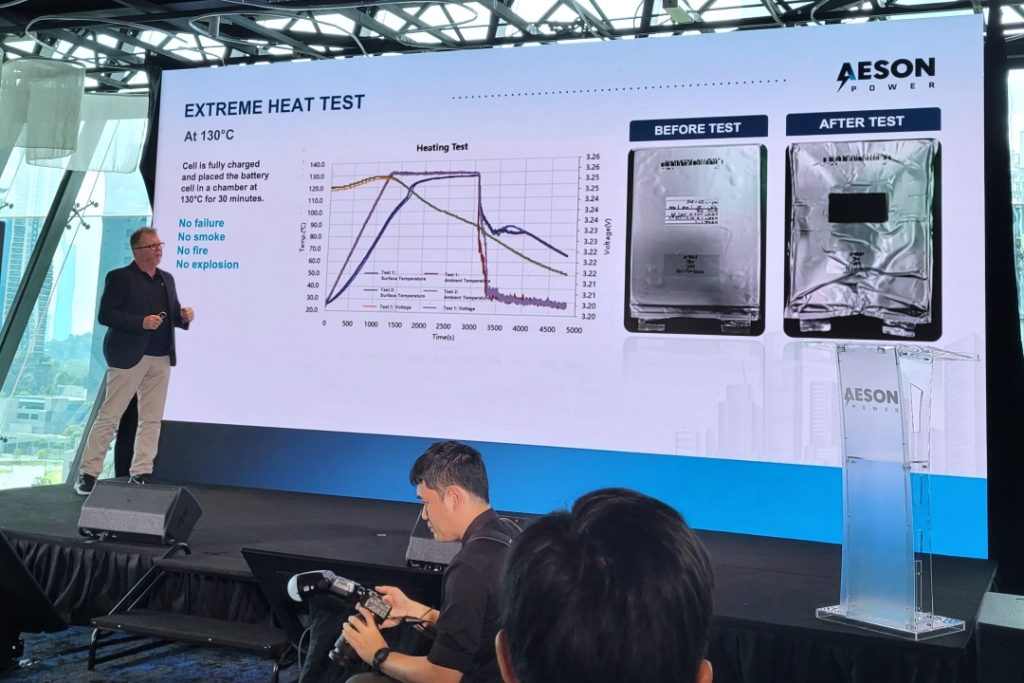
Sodium-ion batteries are designed to operate in temperatures of up to 80°C, making them more resistant to heat-related damage.
They are also non-flammable, contain no toxic heavy metals, and do not use liquid acid, which reduces the risk of leaks or corrosion.
Lead-Acid vs Sodium-Ion: A Quick Comparison
| Feature | Conventional Lead-Acid | Sodium-Ion |
|---|---|---|
| Weight | ~20 kg | 4–8 kg |
| Lifespan | ~500 cycles | 3,000+ cycles |
| Charging Speed | Slow | Up to 5× faster |
| Heat Resistance | Moderate | Up to 80°C |
| Maintenance | May require checks | Maintenance-free |
CarTok Editor’s Note
For something that plays such a crucial role in every car, the humble 12V battery hasn’t changed much in decades. If sodium-ion technology delivers on its promises — lighter weight, longer life, and better heat resistance — it could quietly become one of the most meaningful upgrades under the bonnet.
Most drivers may never think about it… until the day their car starts faster and the battery doesn’t need to be replaced every 12 to 18 months — and doesn’t leave you stranded somewhere either.