Malaysia is considering another round of tightening its targeted fuel subsidy framework, with the monthly RON95 subsidised quota potentially reduced to 150 litres under the BUDI95 programme.
The proposal signals a further step in the government’s ongoing fuel rationalisation strategy, which aims to better align subsidy allocation with actual consumption patterns while reducing wastage and leakage.

Deputy Finance Minister Liew Chin Tong said the adjustment is based on national consumption data, which shows that the majority of users fall well below the current limits. “The data consistently show that 80 per cent of Malaysians use less than 200 litres. The next step is 150 litres as 60 per cent of the population uses less than 150 litres,” he said during a fireside chat at the Affin Market Outlook 2026 event.
If implemented, the move would follow earlier adjustments where the monthly cap was reduced from 300 litres to 200 litres in March, marking a gradual tightening of the subsidy structure.
The government said the intent is not only fiscal, but also operational — to manage rising subsidy exposure as global oil prices and geopolitical tensions continue to push up national fuel expenditure. Reports indicate that fuel subsidy costs have surged significantly in recent months, placing additional pressure on public finances.
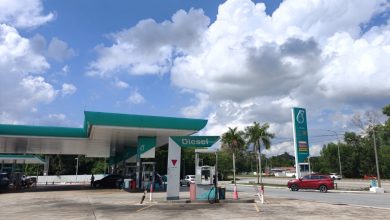
Under the current BUDI95 framework, RON95 remains priced at RM1.99 per litre for eligible Malaysians, while non-subsidised pricing reflects global market movements.
Officials have maintained that the targeted system is designed to ensure most Malaysians are still protected, while higher consumption users gradually bear a larger share of market pricing.
CarTok Editor’s Note
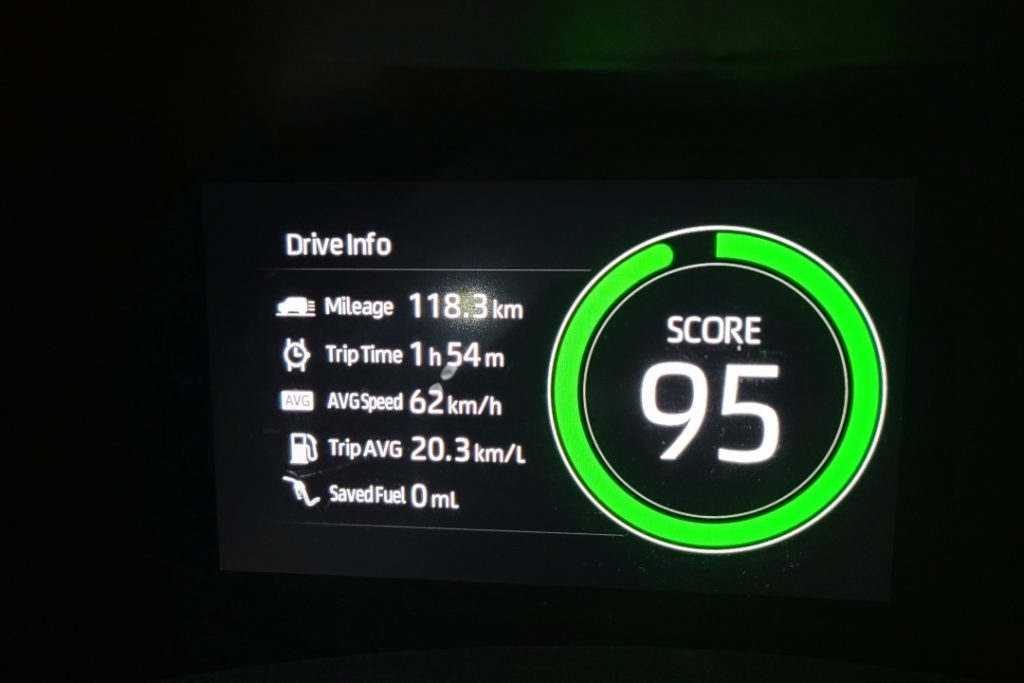
No surprise here, but this is where subsidy reform is less about pricing headlines and more about behavioural engineering. Once caps start following real-world driving patterns instead of flat entitlement numbers, the conversation could shift from “how cheap is fuel?” to “how do I actually drive?” and “do I really need to?”.
And that could be a very different Malaysia on the road ahead.