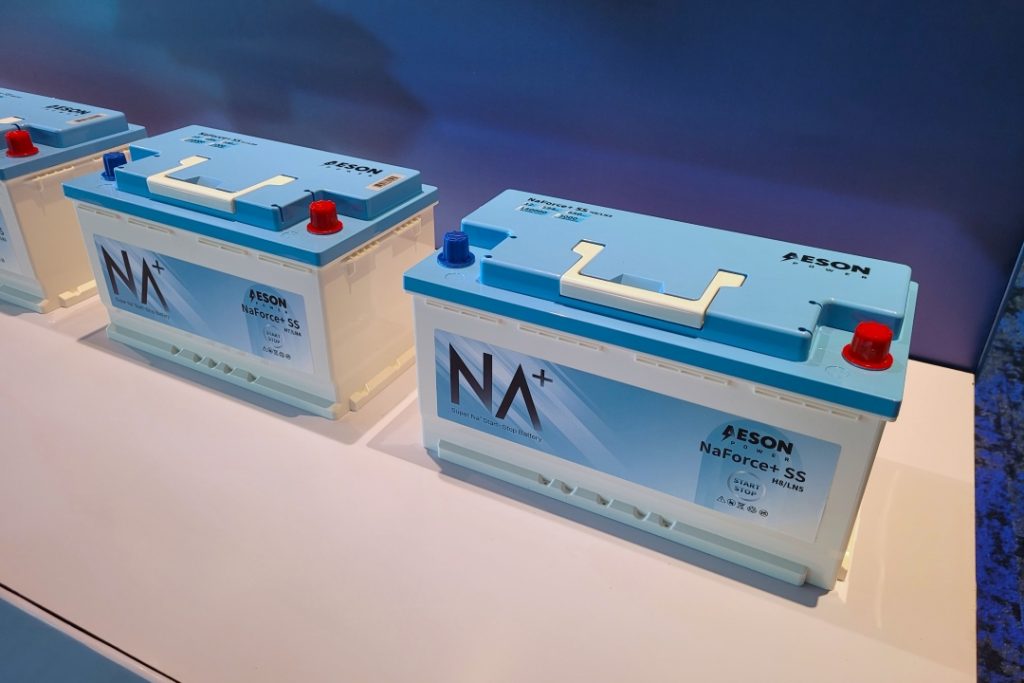
After One Month With Aeson Power’s Sodium-Ion 12V Battery, Here’s What Happened

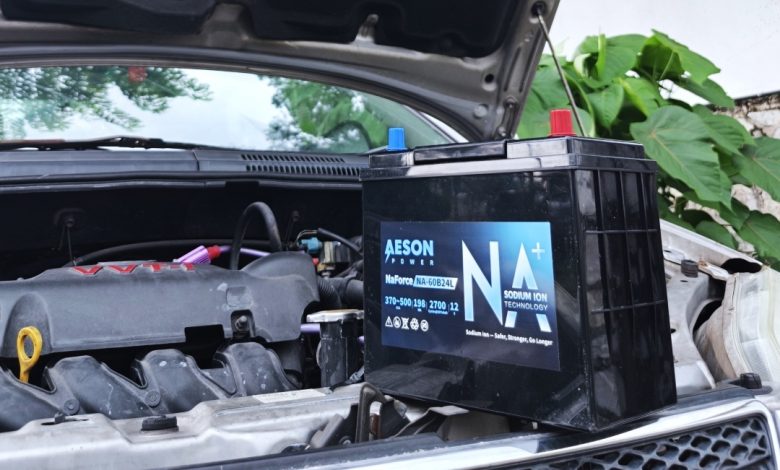
We’ve now spent over a month living with Aeson Power’s sodium-ion 12V battery in a 20-year-old car, and one of the biggest tests came when the vehicle was left completely parked and untouched for more than two weeks.
When it was finally time to start it again, the engine fired up without fuss or hesitation — something older cars with ageing lead-acid batteries do not always manage, especially after sitting idle for that long. This early experience was enough to get our attention.

Car batteries are usually the kind of component we only think about when they fail, often at the worst possible moment. But after several weeks of daily use, short city drives, and an extended idle period, this sodium-ion setup has shown enough positives to make it feel like more than just a novelty.
The First Thing You Notice: The Weight
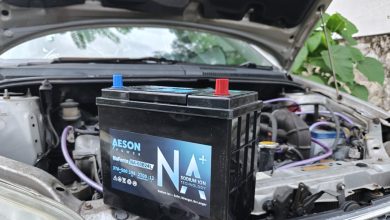
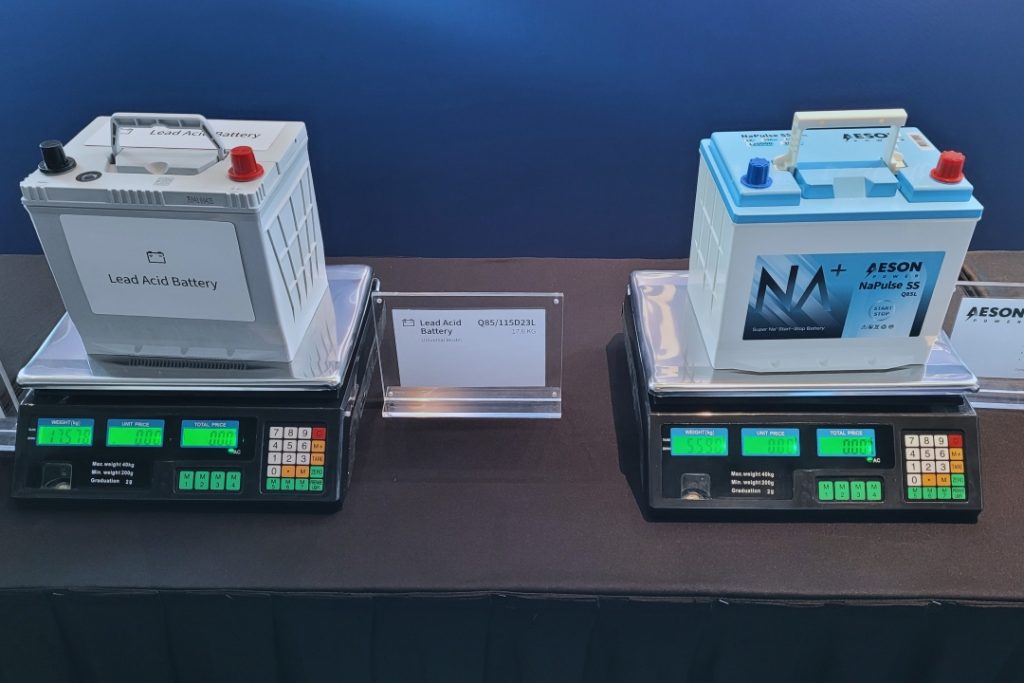
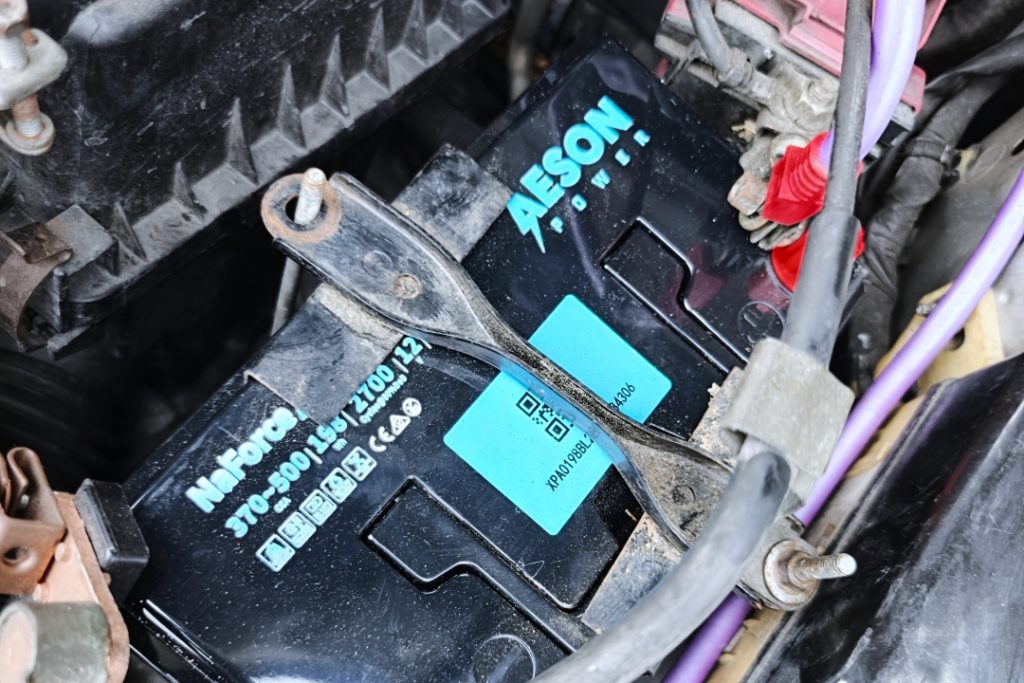
The first thing you notice is not when you start the car, but when you install the battery — in this case, fitted by the author personally.
Compared with a conventional lead-acid unit, the Aeson battery is noticeably lighter, making it much easier to lift, position and fit into the engine bay. This alone makes it a practical upgrade for owners who occasionally handle their own maintenance, especially in older vehicles where the battery location may be less accessible.
Faster Starts, More Confident Cranking
The most immediate difference has been the way the engine starts. On our older test car, the engine fires up with less hesitation and a more decisive crank. Where it previously needed a slightly longer turnover, the sodium-ion battery feels quicker and more confident. There was no stopwatch involved, but when it is a car you know well, even small differences such as starting behaviour are immediately noticeable.
This was most noticeable after the car had been left parked for over two weeks. It was left idle immediately after installation and a short test drive to make sure everything was bolted in correctly, but not long enough to fully charge the battery.
Normally, this idle duration is long enough for some ageing lead-acid batteries to show signs of weakness, particularly in older vehicles. Yet the Aeson Power unit brought the engine to life immediately, with no sluggish crank or warning signs.
For owners of older cars, that added starting confidence is perhaps the most meaningful early benefit.
Electronics Feel More Stable
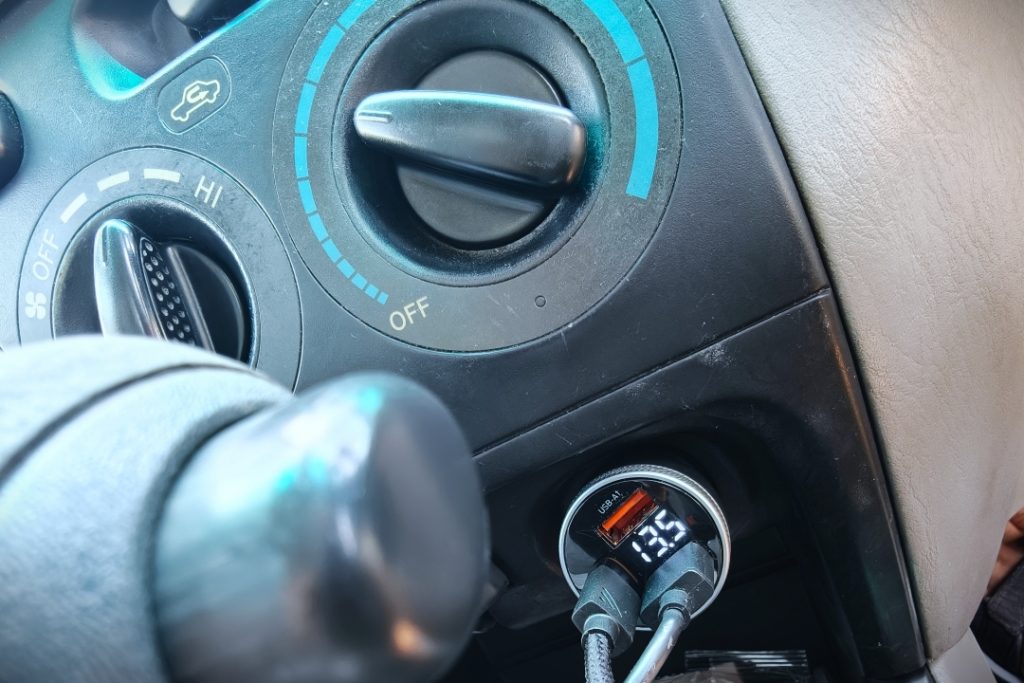
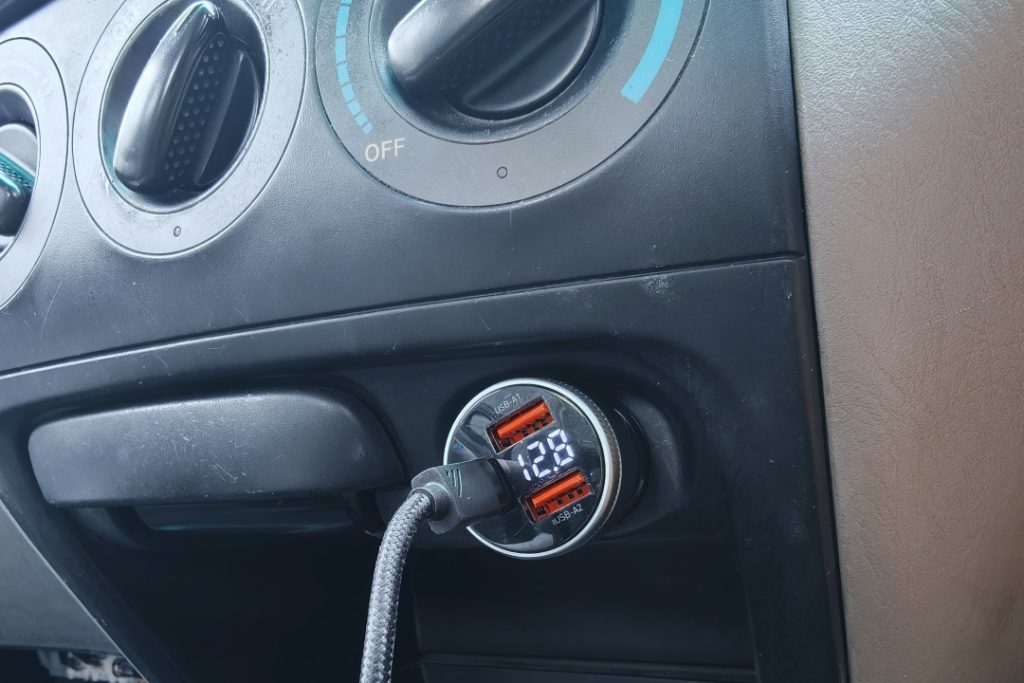
Another positive has been the way the car’s electronics behave. Items such as the air-conditioning blower, radio unit and cabin lighting appear to run with slightly more consistency, particularly during start-up and idling.
In older vehicles, it is not uncommon to see dimming lights or slight voltage dips when the engine is started. Over the past month, that behaviour seems less noticeable.
While some of this can be subjective, the overall driving impression is that the electrical system feels just a little more settled. The most obvious sign is a reduction in background static with FM radio reception, which may be linked to the more stable power delivery to the signal amplifier.
Particularly Relevant in Malaysia’s Heat
One area where this technology may make the most sense is heat resistance. Traditional lead-acid batteries often struggle in Malaysia’s climate, especially in older cars where the engine bay can get extremely hot and the vehicle is frequently exposed to stop-start traffic.
Aeson Power claims its sodium-ion batteries can handle up to 80°C, and this tolerance to high temperatures allows it to live a longer life under the hood.
Of course, a month is far too short to draw long-term conclusions, but these early results are encouraging.
The Real Test Is Still Time
That said, it would be premature to call this a final verdict. Any new battery will naturally perform well in its early stages. The real test will be how it performs a year from now, particularly through Malaysia’s heat, everyday traffic conditions, and even long periods of neglect.
That is where sodium-ion technology will need to prove whether it truly offers a meaningful long-term advantage over a conventional lead-acid battery. For now, though, first impressions after one month are genuinely positive.
Aeson Power appears confident in its long-term durability claims too, backing the battery with a warranty of up to three years.
CarTok Editor’s Note
Some upgrades shout for attention. This one doesn’t. But after a month behind the wheel — and more tellingly, after more than two weeks of complete inactivity — the Aeson Power sodium-ion battery has made an old car feel just a little more dependable every time it starts. If it can keep doing this a year from now, especially through Malaysia’s heat, this may well be one of the most quietly worthwhile upgrades we’ve tested.