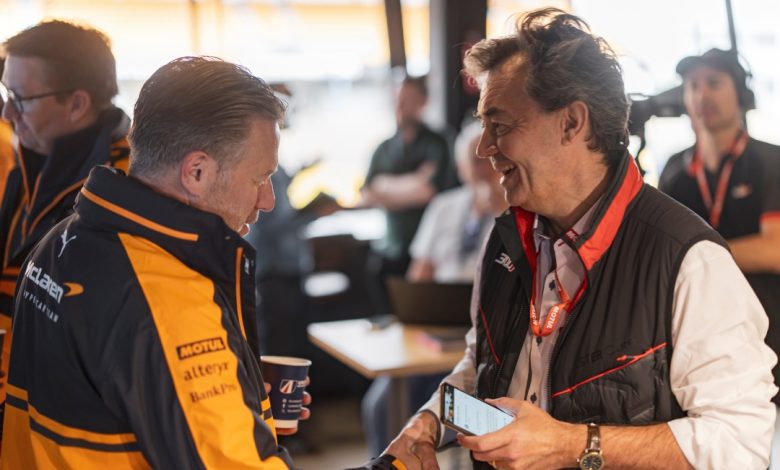
Motul and McLaren Racing are expanding their long-standing technical collaboration, with the lubricant specialist now supporting McLaren programmes in both Formula 1 and the FIA World Endurance Championship (WEC).
The partnership comes as Formula 1 heads to Malaysia and Singapore this October, with Motul using the world’s top-level racing platforms to develop and validate high-performance lubricant technology.

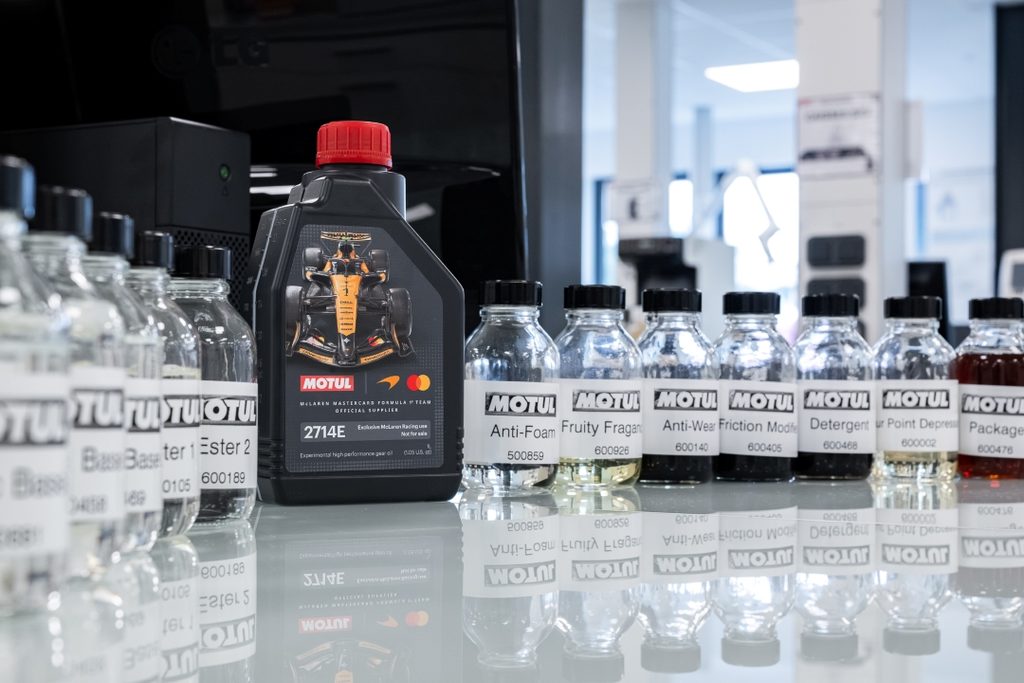
The relationship between Motul and McLaren Racing dates back more than 10 years through various GT3 programmes. For the 2026 Formula 1 season, Motul supplies bespoke lubricant for the MCL40’s gearbox and differential.
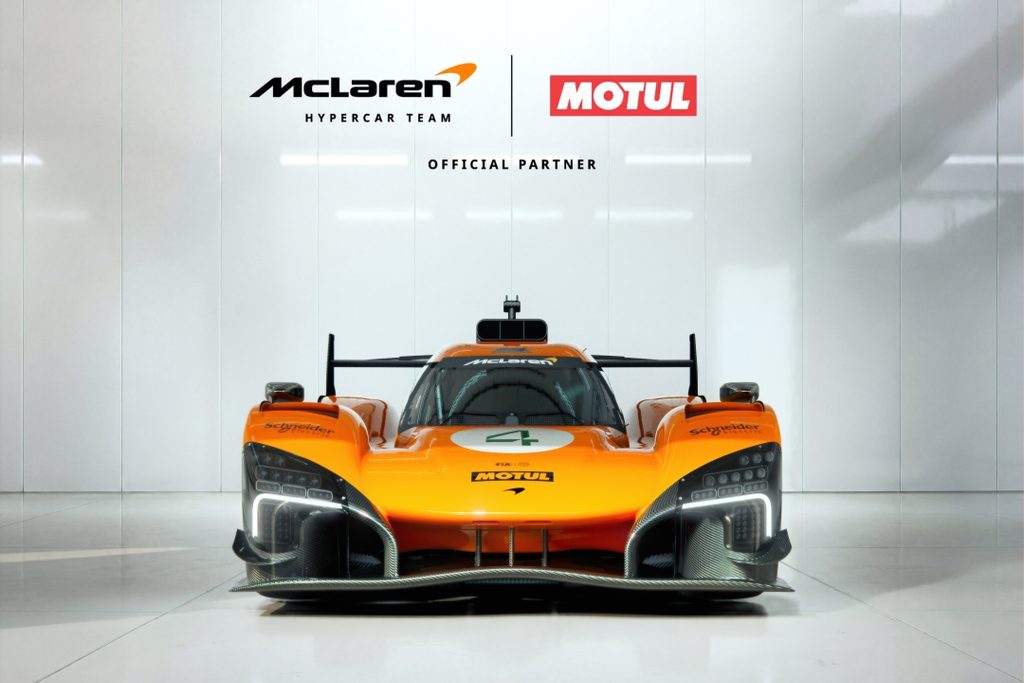
From the 2027 WEC season, Motul will also supply engine and transmission lubricants for McLaren Racing’s new Hypercar programme.
Development For McLaren’s F1 Car
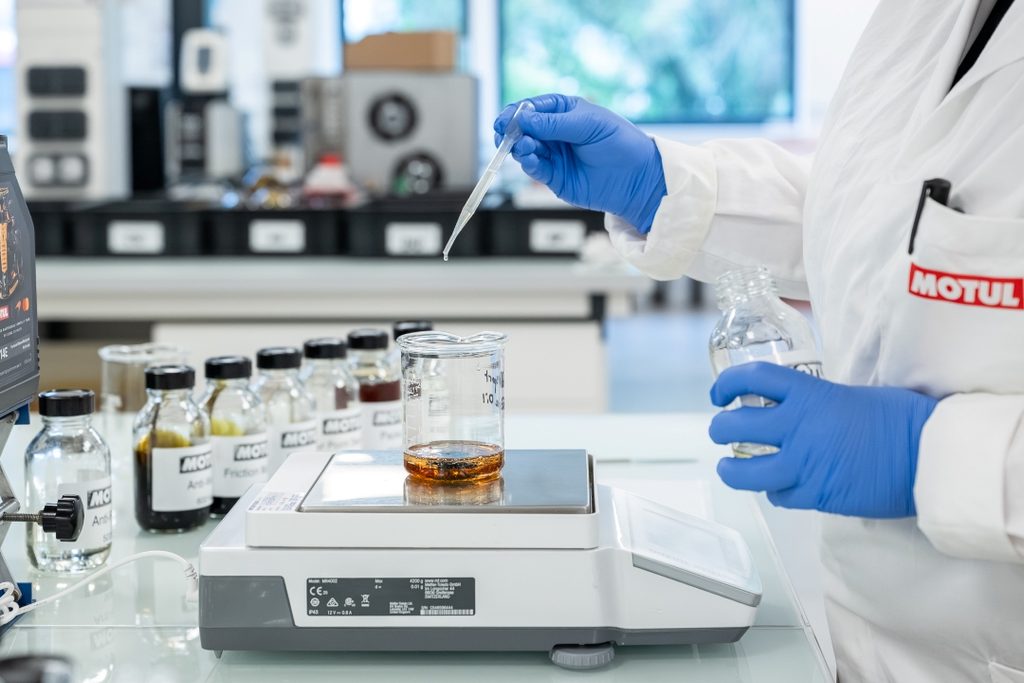
Motul’s R&D teams in France and Japan worked with McLaren Racing for nine months to develop a lubricant specifically for the MCL40’s gearbox and differential.
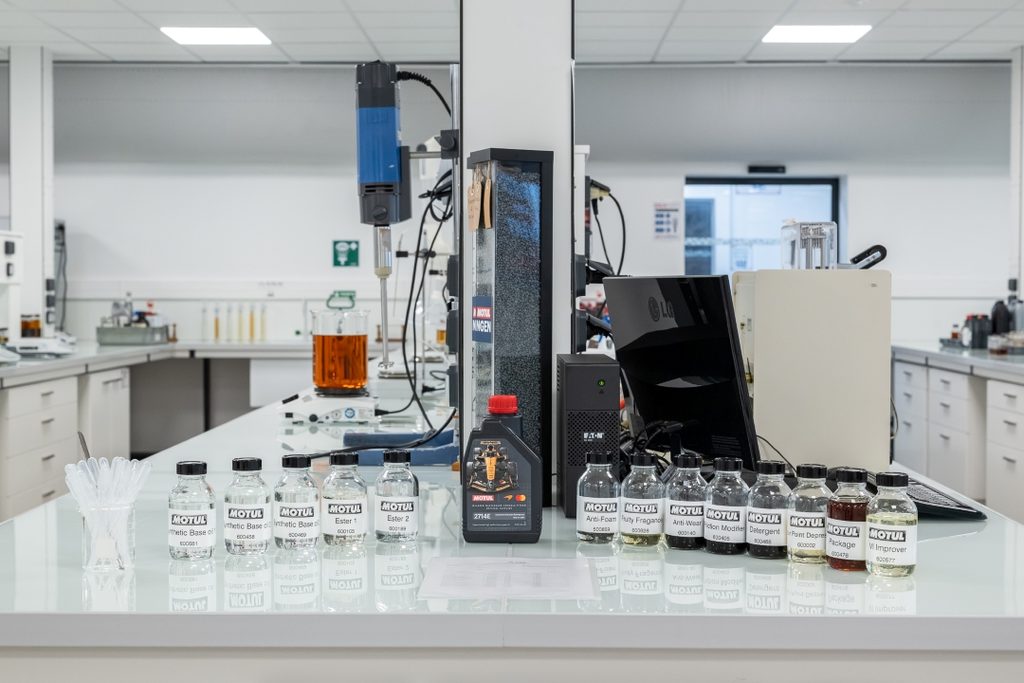
The development programme involved more than 40 tests covering pre-selection, tribological testing, material compatibility assessments and final validation at the McLaren Technology Centre in Woking.
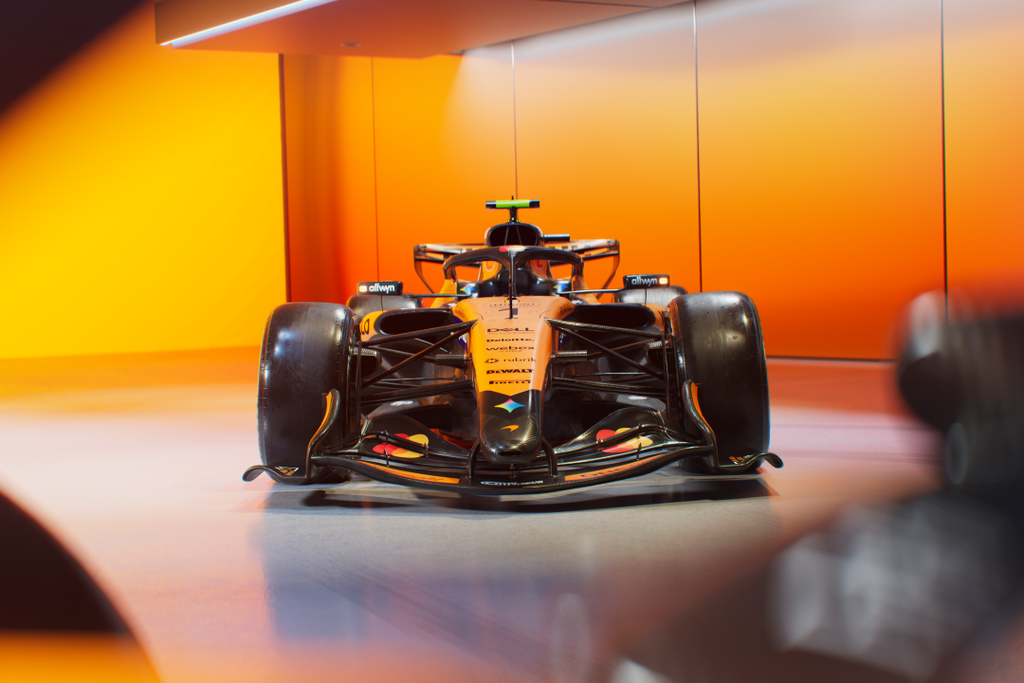
The resulting formulation is designed to optimise mechanical efficiency and transmission reliability while maintaining performance under varying Grand Prix conditions.
The partnership illustrates the increasingly specialised role of lubricants in modern motorsport, where small gains in mechanical efficiency and reliability can have an impact over an entire race weekend.
Carlo Savoca, Chief Marketing Officer of Motul Asia Pacific, said Formula 1 provides an environment where the company can refine its technology under demanding conditions.
“Every kilometre on track provides valuable technical insights that allow our teams to explore new possibilities in lubricant performance,” he said.
Supporting McLaren’s WEC Hypercar Programme
The collaboration will extend to endurance racing when McLaren Racing enters the WEC Hypercar category from the 2027 season.
Motul will supply lubricants for the Hypercar programme’s engine and transmission, while also providing technical support as McLaren prepares for its WEC debut.
Motul’s experience in endurance racing will form part of that effort. Its racing lubricant portfolio, including the 300V range, has been developed through decades of involvement in endurance competition.
Motul will also deploy its Racing Lab mobile laboratory to support the programme. This facility can analyse fluid samples during racing, providing data on areas including component wear, oxidation, thermal stability and fuel dilution.
Such analysis allows lubricant formulations and maintenance strategies to be refined using data gathered from actual racing conditions.
From Le Mans To Formula 1
Motul’s endurance racing involvement stretches back more than 70 years, including a relationship with the 24 Hours of Le Mans back in 1954.
The company has supported teams competing in LMGT3, LMP2 and Hypercar categories, while its involvement with the FIA WEC and Le Mans was strengthened through an Official Lubricant Partnership established in 2016.
Beyond endurance racing and Formula 1, Motul is also involved in major international motorsport programmes including MotoGP, Dakar, MXGP and EnduroGP.
For Motul, these racing programmes serve as development environments where lubricant technology can be tested under extreme loads, temperatures and operating conditions before lessons are carried into future products.
The expanded McLaren partnership therefore goes beyond branding on a racing car. It gives Motul access to two very different engineering challenges – the short, high-intensity demands of Formula 1 and the prolonged thermal and mechanical stresses of endurance racing.
CarTok Editor’s Note
Lubricants don’t attract the same attention as an engine or aerodynamic package, but modern race cars have little room for inefficiency. Motul’s development and testing programme show how specialised these less glamorous components have become.
The extension to McLaren’s WEC Hypercar programme adds another dimension to its capabilities and products. Formula 1 provides intense, highly controlled development conditions, while endurance racing tests how technology behaves over much longer periods.
Having both programmes as technical laboratories gives Motul a valuable opportunity to translate lessons from the racetrack into products for the road.