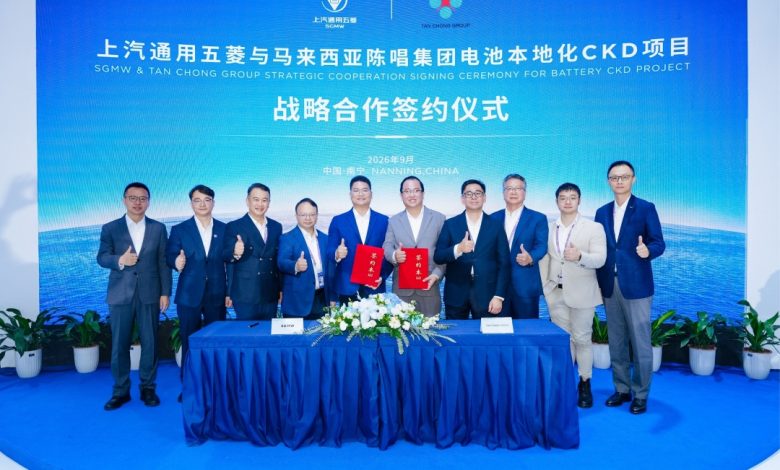
Tan Chong Motor Group and SAIC-GM-Wuling (SGMW) are deepening their strategic partnership to advance EV battery localisation in Malaysia, with the cooperation initially focused on the localisation and CKD assembly of EV batteries under the TQ Wuling brand.
The agreement was signed at the 23rd China-ASEAN Expo (CAEXPO) in Nanning, Guangxi, on 17 September, and represents one of the early initiatives under SGMW’s newly announced Global 5 Strategy.

The partnership goes beyond assembling vehicles, and aims build a more localised supply chain around EVs, potentially giving Malaysia a greater role in the production of components for electric mobility.
From EV Assembly To Battery Localisation
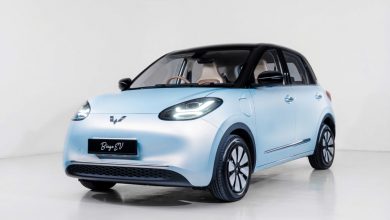
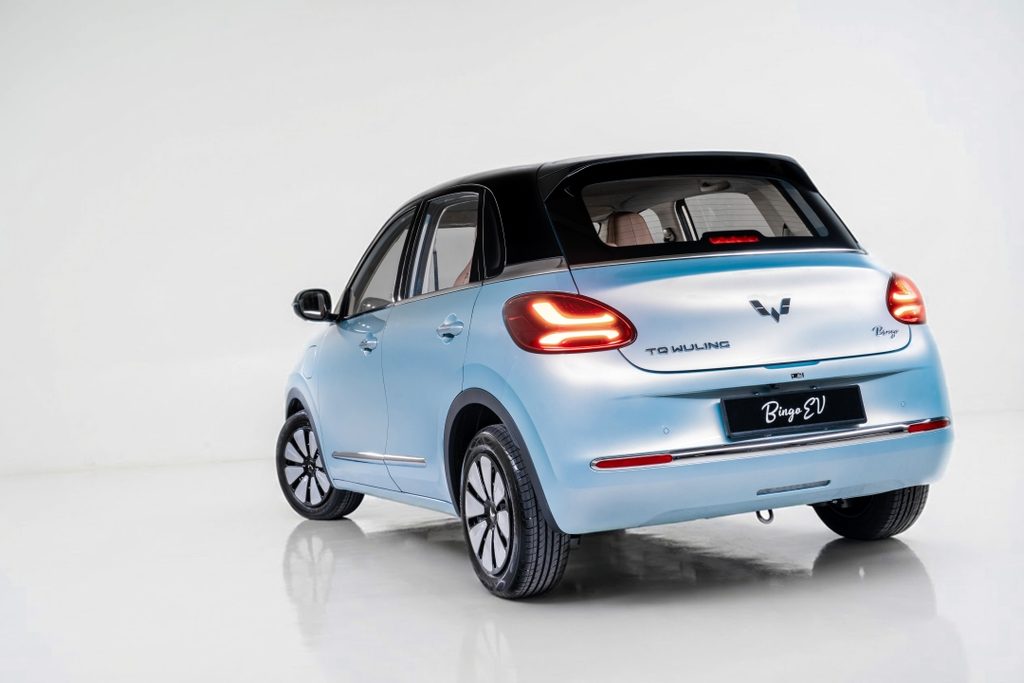
TQ Wuling already assembles EVs locally through Tan Chong’s manufacturing operations in Segambut. The TQ Wuling Bingo EV is the first EV assembled at the facility, with local CKD production commencing in 2026.
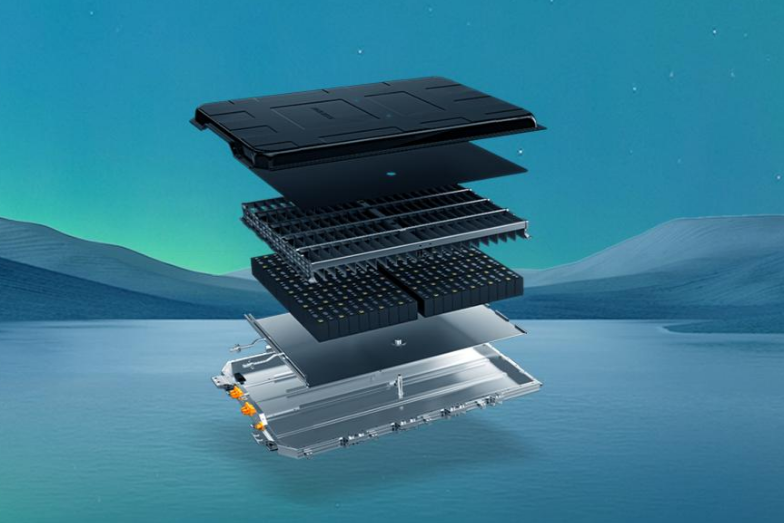
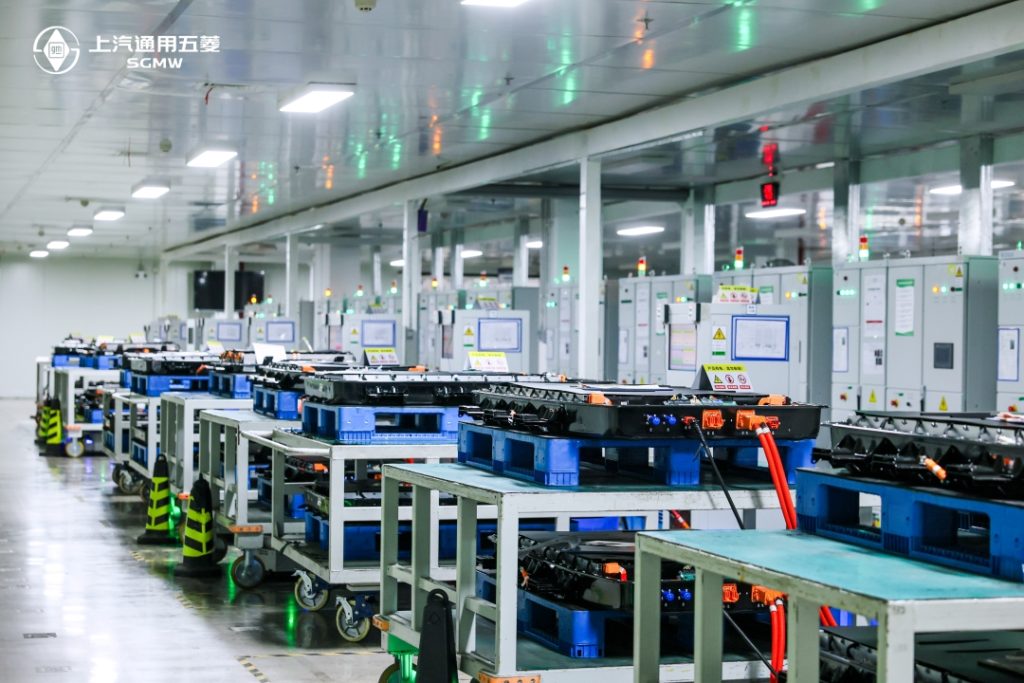
The new cooperation takes the localisation effort a step further. Both parties will focus on localising and assembling EV batteries in CKD form, while they work to develop a wider Malaysian supply-chain ecosystem.
Battery packs are one of the most important and significant components of an EV. Local assembly therefore has implications beyond the TQ Wuling brand itself, particularly if it eventually creates opportunities for Malaysian suppliers to participate in battery-related manufacturing, testing, logistics, servicing and lifecycle management.
However, the announcement does not disclose the investment amount, production capacity, local content level or a start date for battery production.
Making An Impact On Malaysia’s EV Ecosystem
Malaysia has been encouraging automakers to move towards CKD production and greater involvement with local suppliers as the EV industry develops.
The government has retained incentives for locally assembled EVs through the end of 2027, while policy changes affecting CBU EVs are intended in part to encourage local assembly, technology transfer and development of the domestic automotive ecosystem.
Given these conditions, battery localisation fits into the direction of Malaysia’s automotive industrial policy, moving the country from just assembling electric vehicles towards becoming a part of the value chain.
SGMW already has a manufacturing footprint in Indonesia and has identified ASEAN as an important part of its international expansion strategy. Its Global 5 strategy is intended to extend the company’s international operations beyond vehicle exports into manufacturing, supply chains, sales, talent, finance and technology cooperation.
Malaysia thus stands a chance to become more than a market for TQ Wuling vehicles. It could potentially form part of SGMW’s wider regional production and supply-chain network.
Enhancing Battery Supply Chain
The battery initiative also follows a separate development announced in September involving Tan Chong and Saike REPT Power Battery System Co Ltd, the battery-pack supplier designated for TQ Wuling EVs.
According to Tan Chong Motor Holdings, its subsidiary TQ Manufacturing had entered into a one-year MOU with Saike to assess the feasibility of localising EV battery packs and other identified components in Malaysia.
This cooperation also covers potential exports and the responsible handling, recycling and second-life utilisation of used EV battery packs.
These developments suggest that Tan Chong and SGMW are looking beyond just putting batteries into locally assembled cars.
If the initiative progresses, the longer-term move would involve a broader battery ecosystem, from pack assembly and component sourcing to after-use management.
These possibilities however, still need to translate into actual investment, local suppliers, technical capabilities and importantly, production volume.
Malaysia As ASEAN Manufacturing Link
The partnership is also in line with SGMW’s broader ambition to build a more integrated international automotive operation.
SGMW says it has produced and sold more than 32 million vehicles globally, including more than four million new energy vehicles, while cumulative exports have exceeded 1.6 million vehicles and vehicle sets.
Under its Global 5 Strategy, the company says it intends to work with international partners through different models covering trade, distribution, production and sales, full industrial-chain cooperation and technology licensing.
For Malaysia, these partnerships can create capabilities that extend beyond one brand.
A local battery assembly operation that eventually uses more Malaysian-based suppliers, develops specialised technical talent and supports regional exports would have a substantially different industrial impact from a CKD operation that remains heavily dependent on imported components.
CarTok Editor’s Note
The Tan Chong-SGMW partnership wants to go beyond vehicle assembly.
Localising battery assembly takes TQ Wuling further into the EV supply chain and potentially gives Malaysian companies another avenue to develop capabilities in one of the industry’s most important components.
SGMW is looking at ASEAN as part of its global expansion, while Malaysia wants to capture more manufacturing, supplier and technology activity from the EV transition.
These two ambitions are a good fit. How well it works will depend on statutory support and production scale.