A used vehicle dispute that lasted eight months has highlighted an important reality for used car buyers in Malaysia — not all vehicle inspections are designed to uncover the same issues.
PUSPAKOM recently revealed that findings from one of its Special Inspections (B2) were submitted as evidence in a tribunal case involving a used vehicle purchased in Penang. The inspection ultimately helped support a ruling in favour of the vehicle owner after structural issues were discovered on the vehicle.

According to PUSPAKOM, the vehicle had previously passed both a Transfer of Ownership Inspection (MV15) and a Hire Purchase Inspection (B7) before it was sold.
However, after concerns emerged regarding the vehicle’s condition, the owner opted for a B2 Special Inspection at PUSPAKOM Batu Maung. The inspection identified structural non-compliance at the chassis level and resulted in a “GAGAL” (FAIL) outcome.
The findings were subsequently presented during tribunal proceedings and contributed to the final decision.
Not All Inspections Serve The Same Purpose
The case highlights a common misconception among used vehicle buyers who may assume that a passed inspection automatically means a vehicle is free from major defects.
In reality, different PUSPAKOM inspections are designed for different objectives.
The mandatory MV15 inspection, for example, is required when transferring ownership of a private vehicle and primarily verifies vehicle identity, including chassis and engine numbers.
Similarly, the B7 inspection is conducted for hire purchase purposes and is typically required by financial institutions.
Neither inspection is intended to perform an extensive structural assessment of the vehicle.
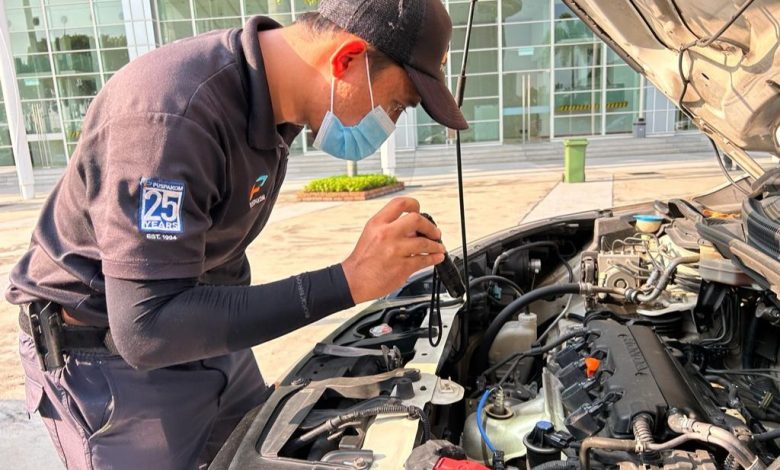
The B2 Special Inspection, on the other hand, involves a more detailed examination of the vehicle’s chassis condition, structural integrity, identification details and regulatory compliance. This allows inspectors to identify issues such as accident-related damage, structural modifications or major repairs that may not be detected during routine verification inspections.
Why It Matters For Used Car Buyers
Malaysia’s used vehicle market continues to grow, with buyers increasingly relying on inspection reports for peace of mind.
Cases such as this one demonstrate that a vehicle can meet the requirements of ownership transfer procedures while still having underlying structural concerns that may only become apparent through more specialised inspections.
For buyers considering a used vehicle, particularly older models or vehicles with an unclear history, a more comprehensive inspection can provide an additional layer of protection before finalising a purchase.
It can also help reduce the likelihood of costly disputes after ownership changes hands.
Understanding PUSPAKOM’s Inspection Categories
PUSPAKOM has outlined several inspection categories currently available to vehicle owners:
Transfer of Ownership Inspection (MV15)
Mandatory for private used vehicles during ownership transfer. Verifies vehicle identity and chassis and engine numbers.
Hire Purchase Inspection (B7)
Required by financial institutions for vehicles involved in loan or financing arrangements.
Special Inspection (B2)
A more comprehensive inspection that assesses structural condition and compliance, commonly used for modified vehicles, imported vehicles, long-expired road tax cases or situations where structural concerns exist.
Periodic Inspection
Mandatory six-month inspections for commercial vehicles to ensure continued roadworthiness and safety compliance.
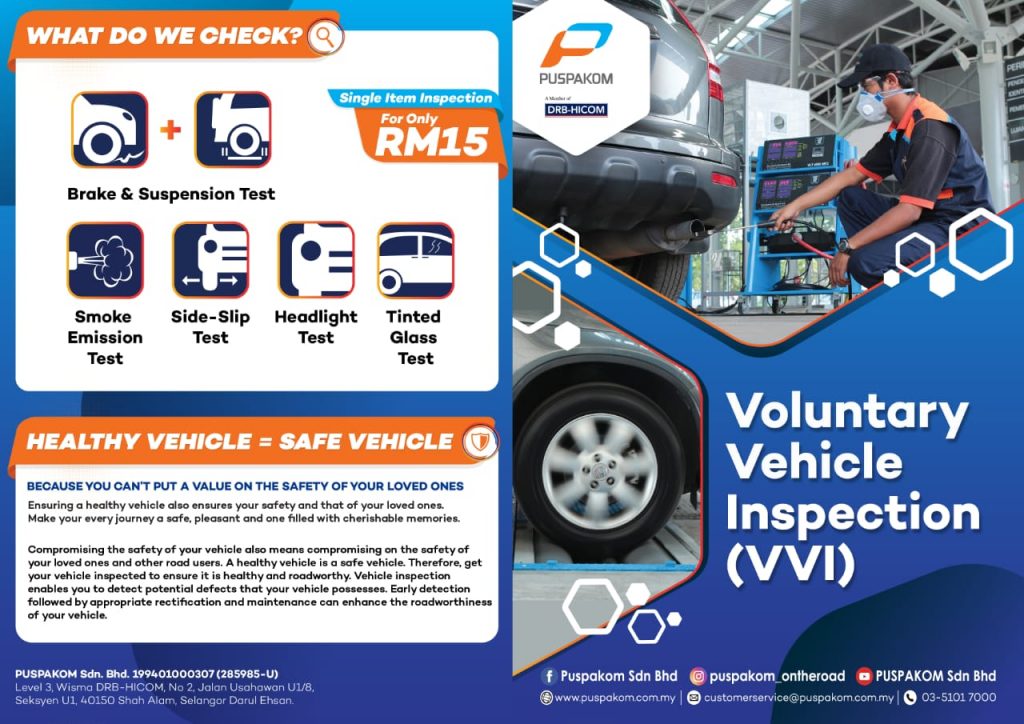
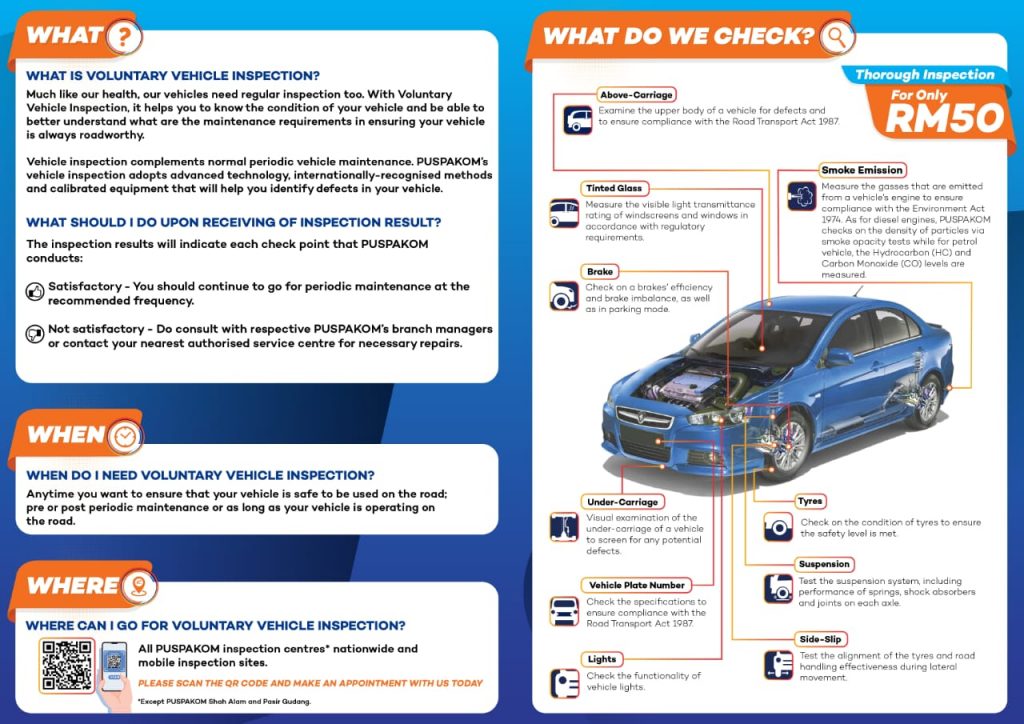
Voluntary Vehicle Inspection (VVI)
An optional inspection service that allows owners to assess overall vehicle condition, safety and roadworthiness. Prices start from RM15.
PUSPAKOM Encourages Preventive Checks
PUSPAKOM says vehicle owners should select the appropriate inspection based on their needs rather than relying solely on mandatory checks.
The organisation also encourages motorists to make use of voluntary inspections as part of preventive vehicle maintenance and to better understand the condition of their vehicles before long-distance travel, ownership transfer or resale.
As Malaysia’s used car market becomes increasingly sophisticated, understanding what an inspection does — and just as importantly, what it does not do — may prove just as valuable as the inspection report itself.
CarTok Editor’s Note
Many Malaysians view a passed PUSPAKOM inspection as a blanket endorsement of a vehicle’s condition. This case is a useful reminder that inspections are purpose-built tools, not all-encompassing health checks. A vehicle can pass the inspection it was required to undergo and still have issues that only emerge when one looks deeper. In the used car market, knowing which inspection to request may be just as important as knowing which car to buy.