For decades, the global automotive industry followed a familiar hierarchy.
European brands sold prestige and heritage. Japanese manufacturers built reputations on reliability. Korean brands established themselves through value and steadily improving quality. Chinese carmakers, meanwhile, were often viewed as ambitious challengers still trying to earn mainstream acceptance.

That hierarchy may be facing its biggest test yet.
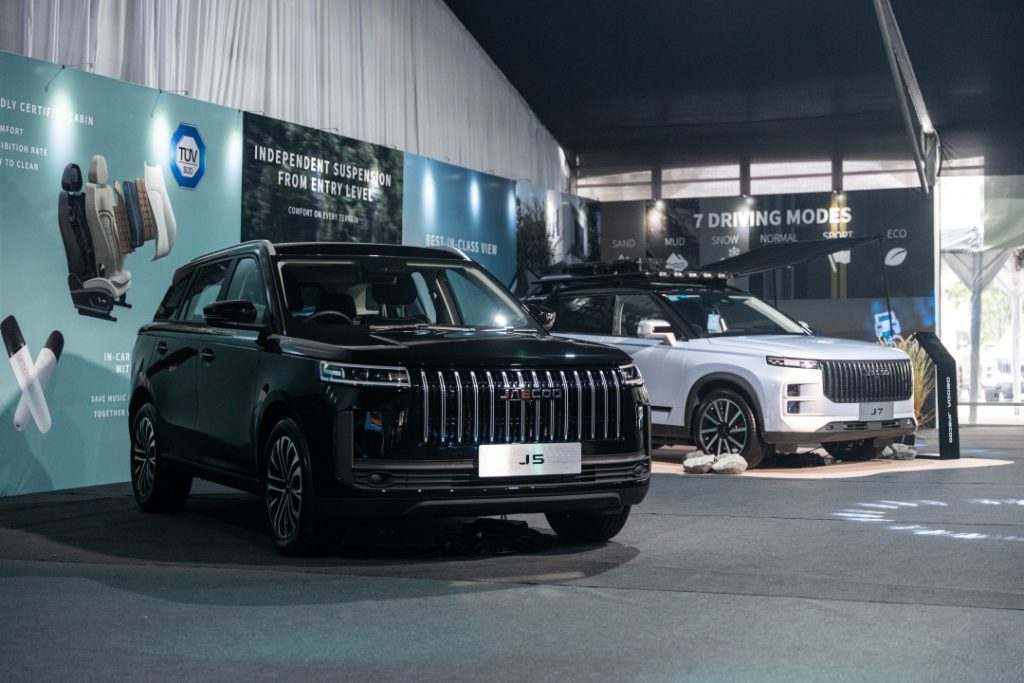
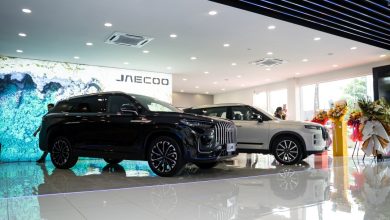
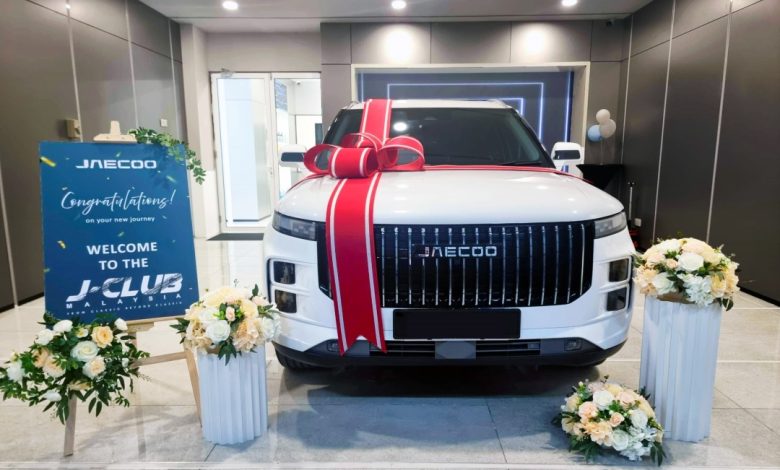
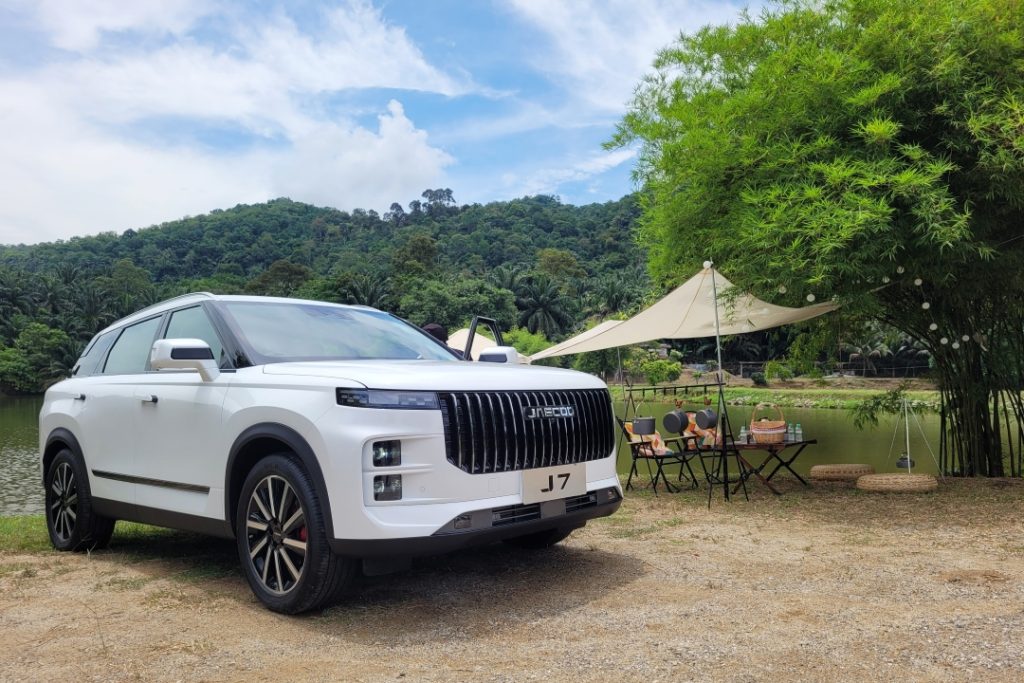
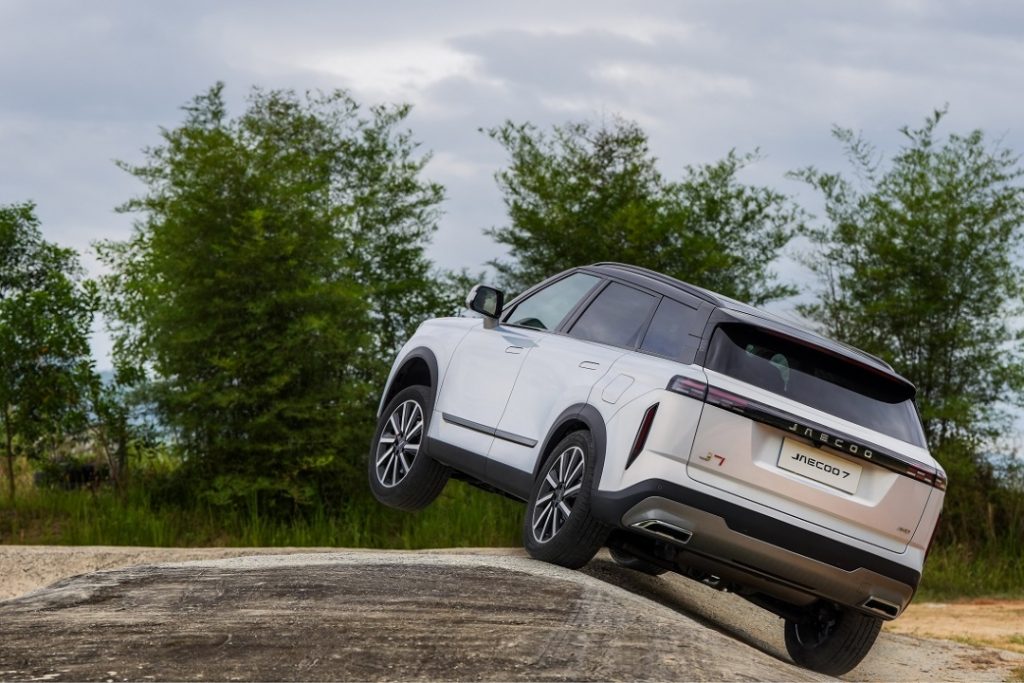
In March 2026, the Jaecoo 7 (a.k.a. J7 in Malaysia) recorded 10,064 registrations in the United Kingdom, making it Britain’s best-selling new car for the month. More significantly, the SUV accumulated 15,703 registrations during the first quarter of the year, making it the UK’s best-selling vehicle year-to-date at the time.
Sales rankings can change from month to month. However, the significance of Jaecoo’s achievement lies not in a single sales chart, but in what it may reveal about changing consumer attitudes and the future of global automotive competition.
A Market Where Brand Reputation Still Matters
The UK remains one of the world’s most competitive automotive markets.
Consumers have access to virtually every major global brand, from long-established European manufacturers to Japanese and Korean rivals that have spent decades building customer trust.
This is not a market where success comes easily.
The Jaecoo 7 competes directly against some of the UK’s most popular family SUVs, including the Kia Sportage, Hyundai Tucson, Nissan Qashqai and Volkswagen Tiguan. These are established products backed by brands with extensive dealer networks, strong reputations and loyal customer bases.
Yet British buyers are increasingly willing to consider something different. This alone makes the Jaecoo 7 story worth examining.
Is This Really A China Story?
One explanation is that Chinese brands have improved dramatically in recent years.
Another is that consumers are becoming increasingly selective about what they are willing to pay for.
Across much of Europe, vehicle prices have climbed steadily over the past decade. Stricter emissions regulations, electrification, advanced safety requirements and increasingly sophisticated technology have all contributed to higher vehicle costs.
While buyers appreciate these improvements, many are also becoming more conscious of value. This is where vehicles such as the Jaecoo 7 appear to be finding an opportunity.
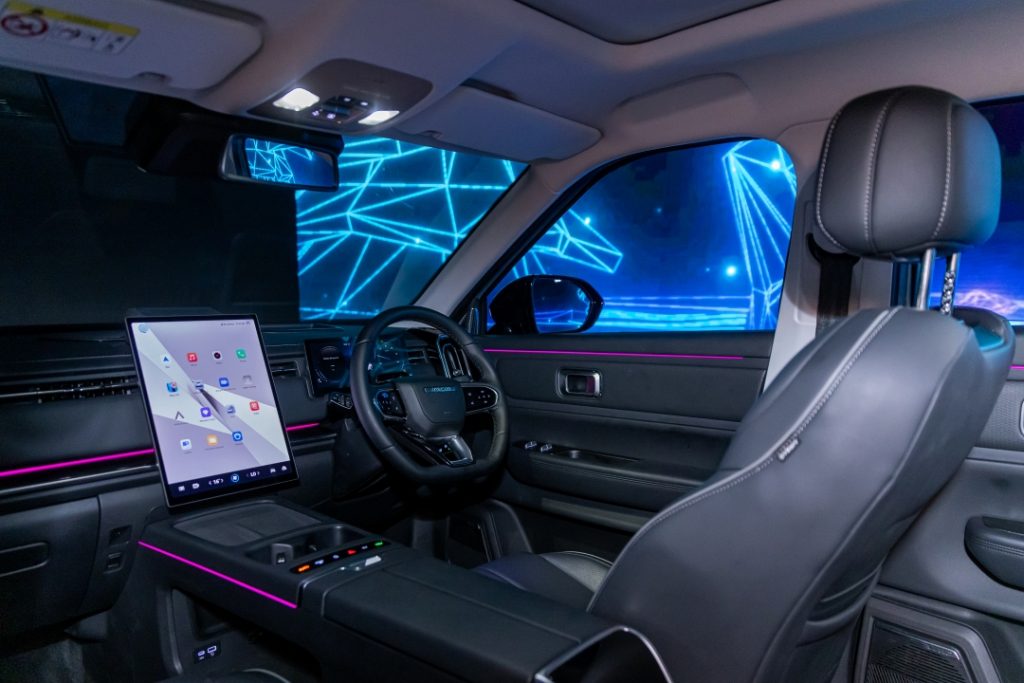
Rather than positioning themselves purely as low-cost alternatives, many Chinese brands are offering generous equipment levels, advanced driver assistance systems, large infotainment displays, electrified powertrains and long warranty packages at prices that often undercut established competitors.
For consumers, the question increasingly becomes whether the traditional premium attached to certain brands remains fully justified. If buyers believe they can obtain comparable practicality, technology and ownership experience for less money, long-standing purchasing habits can change surprisingly quickly.
Why Chinese Brands Are Well Positioned
The success of Jaecoo did not happen overnight.
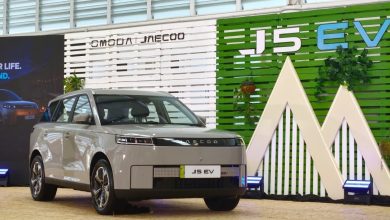
Its parent company, Chery, has been China’s leading passenger vehicle exporter for 22 consecutive years. Long before Jaecoo and Omoda arrived in Europe, Chery was building manufacturing scale, expanding into international markets and refining products across multiple regions.
What has changed is where Chinese manufacturers are now competing.
Instead of focusing primarily on emerging markets, brands such as Chery, BYD, MG and GWM are increasingly targeting mature automotive markets where customers have more choices and higher expectations.
The products themselves have evolved as well.
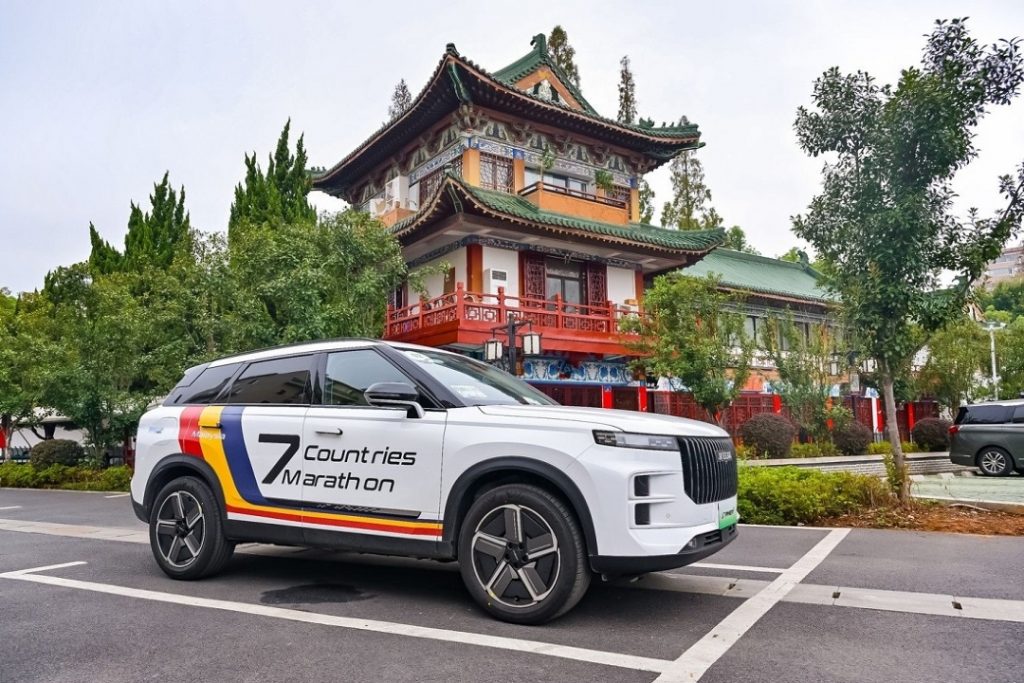
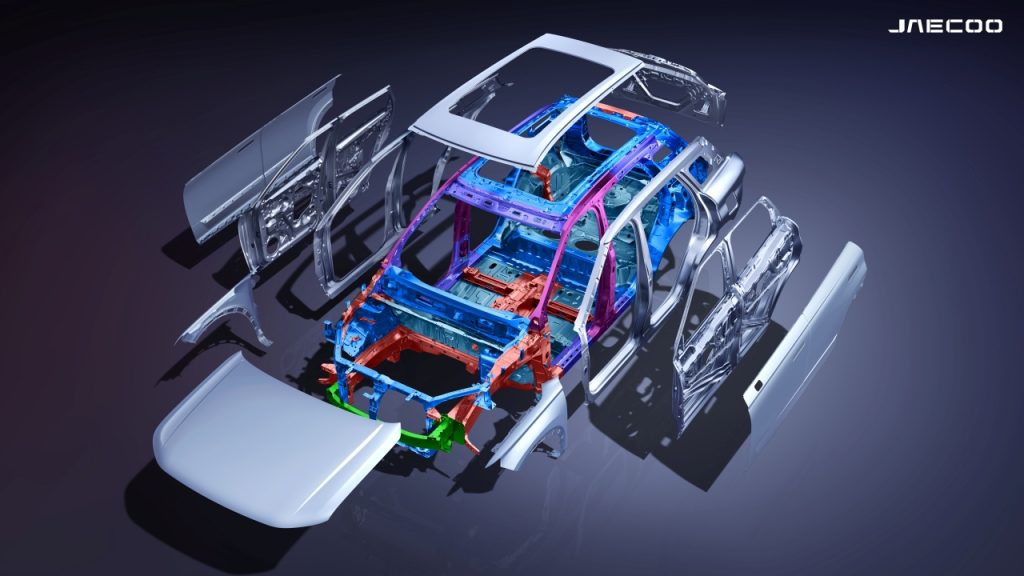
Earlier generations of Chinese vehicles often relied heavily on aggressive pricing to attract buyers. Today’s products are increasingly competing through design, technology, safety credentials and powertrain sophistication, while still maintaining a value advantage.
In other words, they are no longer asking consumers to accept compromises in exchange for a lower price. They are attempting to convince buyers that they can deliver a similar overall package for less.
A Familiar Pattern, But At A Faster Pace
The automotive industry has seen this story before.
Japanese manufacturers faced scepticism when they first entered Western markets. Korean brands encountered similar doubts before eventually becoming mainstream choices around the world.
Chinese brands appear to be following a comparable path, but under very different circumstances.
The modern automotive industry is more connected than ever. Product development cycles are shorter, technology spreads more rapidly and consumer perceptions can shift quickly through digital media and global reviews.
As a result, acceptance can happen much faster than it did for previous generations of automotive challengers. A positive ownership experience in one market can influence consumer perceptions globally.
Why This Matters Beyond The UK
The significance of Jaecoo’s success extends far beyond the UK.
Chinese brands collectively accounted for around 15% of UK vehicle registrations in the early months of 2026, highlighting how quickly they have moved from niche players to serious competitors in one of Europe’s most mature automotive markets.
The trend is visible elsewhere too.
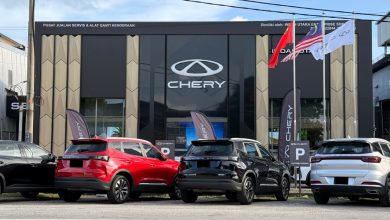
Across Europe, Chinese brands continue to expand. In Southeast Asia, they are becoming increasingly established across both internal combustion and electrified vehicle segments. In Malaysia, they have rapidly progressed from newcomers to mainstream competitors within just a few years.
For traditional manufacturers, this creates a new challenge.
Competing against Chinese brands increasingly means competing against companies with enormous manufacturing scale, growing technological capabilities and pricing structures that are often difficult to match.
Brand heritage remains valuable, but heritage alone may no longer be enough.
The New Reality
It would be premature to suggest that Chinese brands have permanently reshaped the global automotive order. Long-term success depends on factors such as reliability, aftersales support, customer satisfaction and sustained brand trust.
However, the conversation has already changed. The question used to be whether Chinese brands could build cars that consumers wanted.
Increasingly, the question may be whether established manufacturers can continue convincing consumers that their higher prices remain justified.
If a relatively new SUV brand can become the best-selling vehicle in one of the world’s most competitive markets, it suggests the barriers that once protected the traditional automotive hierarchy are becoming less formidable.
CarTok Editor’s Note
The real significance of Jaecoo 7’s success is not that a Chinese SUV topped UK’s sales charts. It is that many consumers no longer see a Chinese badge as a reason not to buy a vehicle. Once this psychological barrier disappears, competition shifts back to where it matters most: product, technology, ownership experience and price. For established brands, this may be a more difficult battle to win. And this may be the most significant takeaway from the Jaecoo 7 story.