LaLaport BBCC Opens APAD-Licensed Transportation Hub, Strengthens KL-Singapore Connectivity

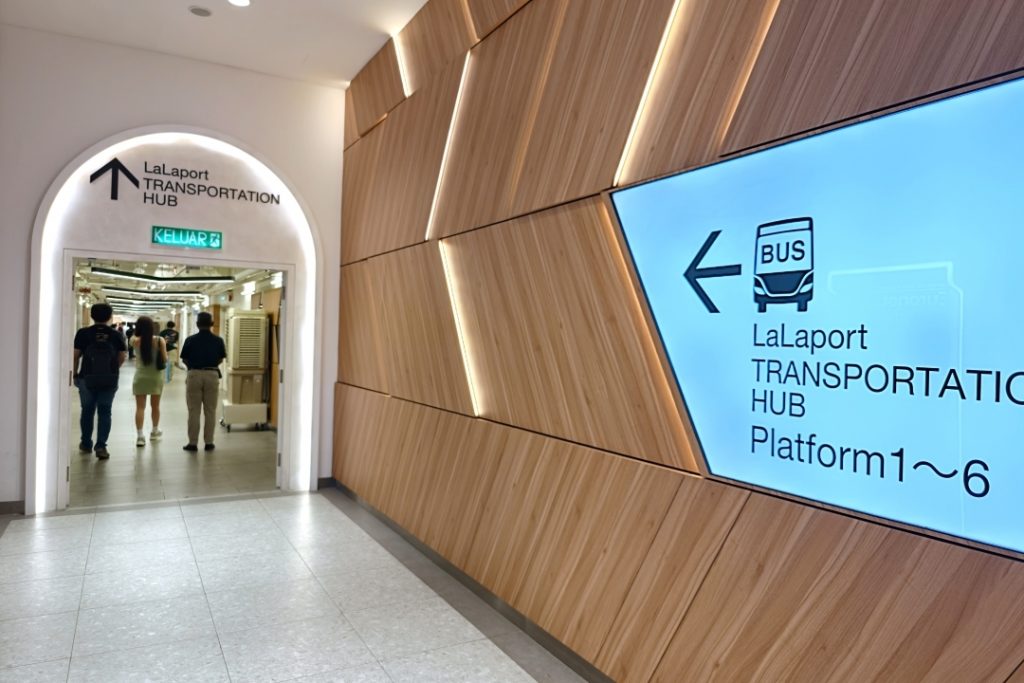
Mitsui Shopping Park LaLaport Bukit Bintang City Centre (LaLaport BBCC) has officially launched the LaLaport Transportation Hub (LTH), an APAD-licensed transport facility designed to improve urban mobility while serving as a major departure point for express bus services between Kuala Lumpur and Singapore.
The new hub, located on Level LG1 at the East Atrium, was officially opened by Minister in the Prime Minister’s Department (Federal Territories) Hannah Yeoh. Also present were Land Public Transport Agency (APAD) Deputy Director of Development Azrin Borhan, Kuala Lumpur Mayor Datuk Seri TPr Fadlun Mak Ujud, and Japanese Ambassador to Malaysia Noriyuki Shikata.

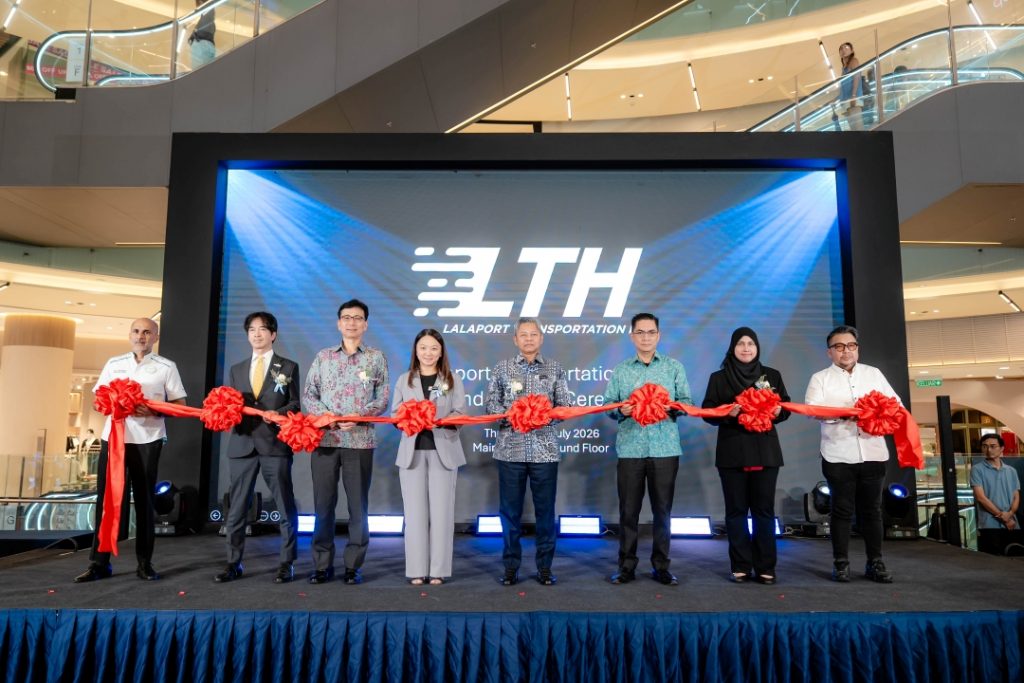
Although operations began in phases in February this year, the official launch marks the completion of the facility, which was developed with the support of the Government, approved by Kuala Lumpur City Hall (DBKL) and licensed by APAD.
An Integrated Transport Hub
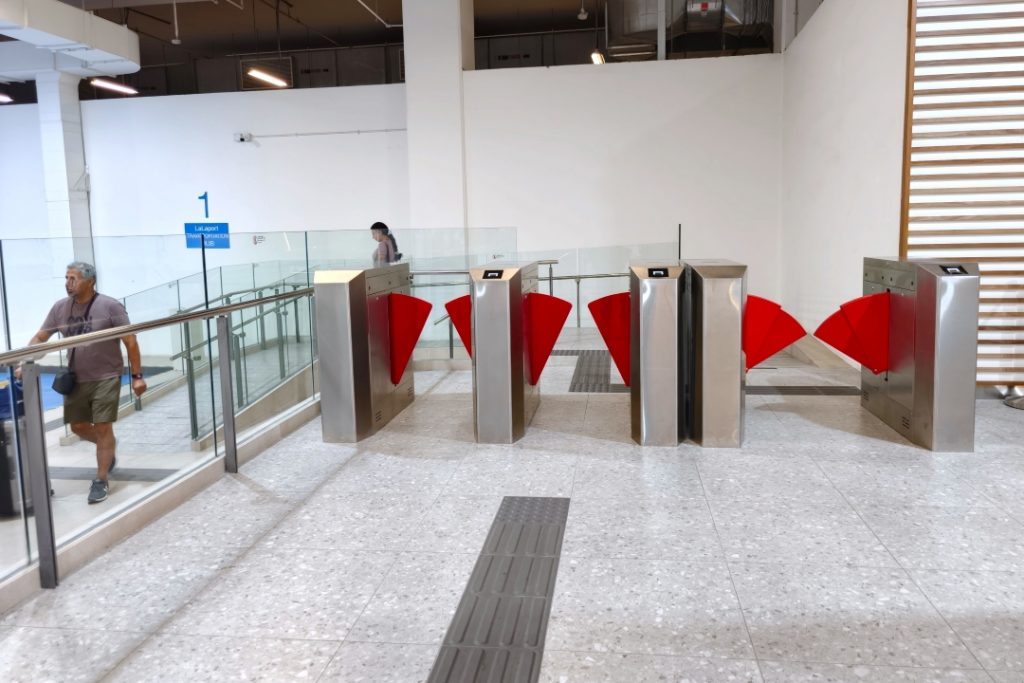
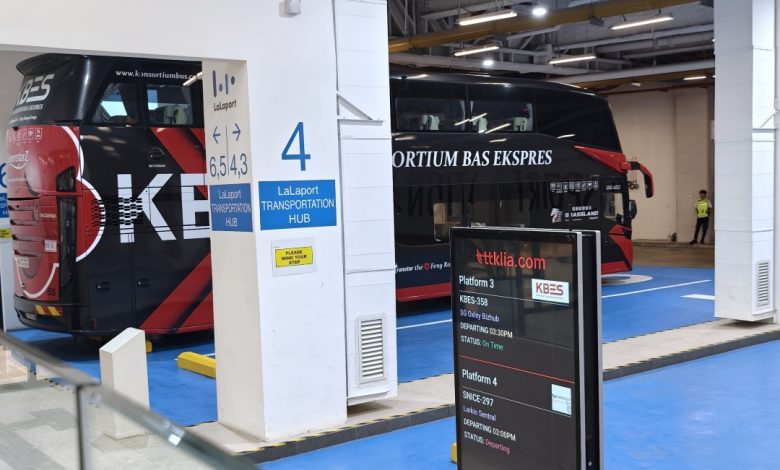
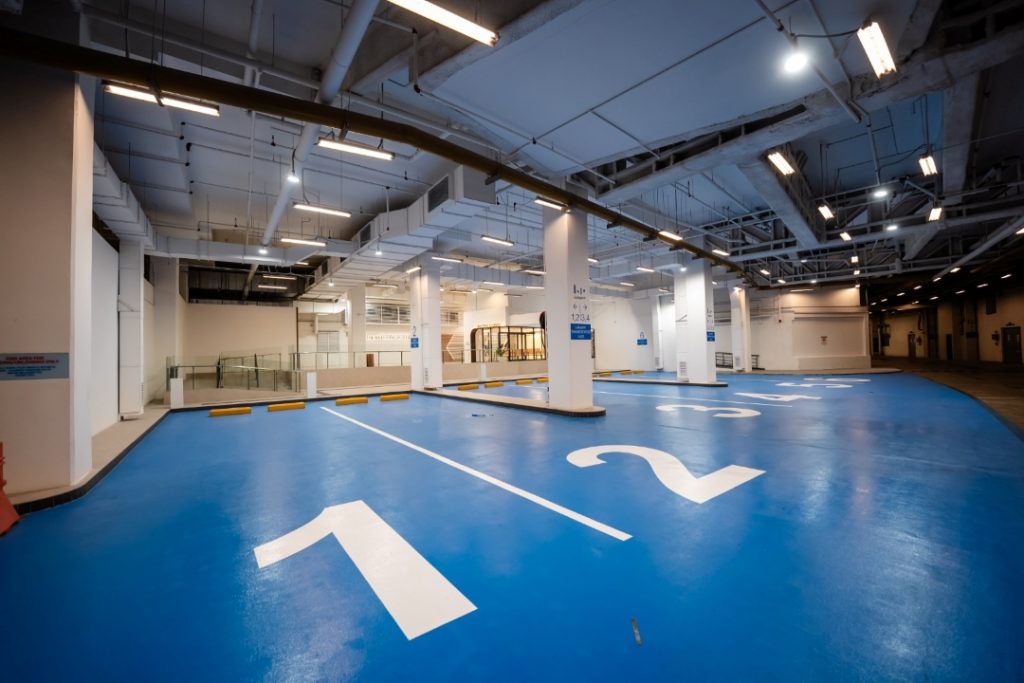
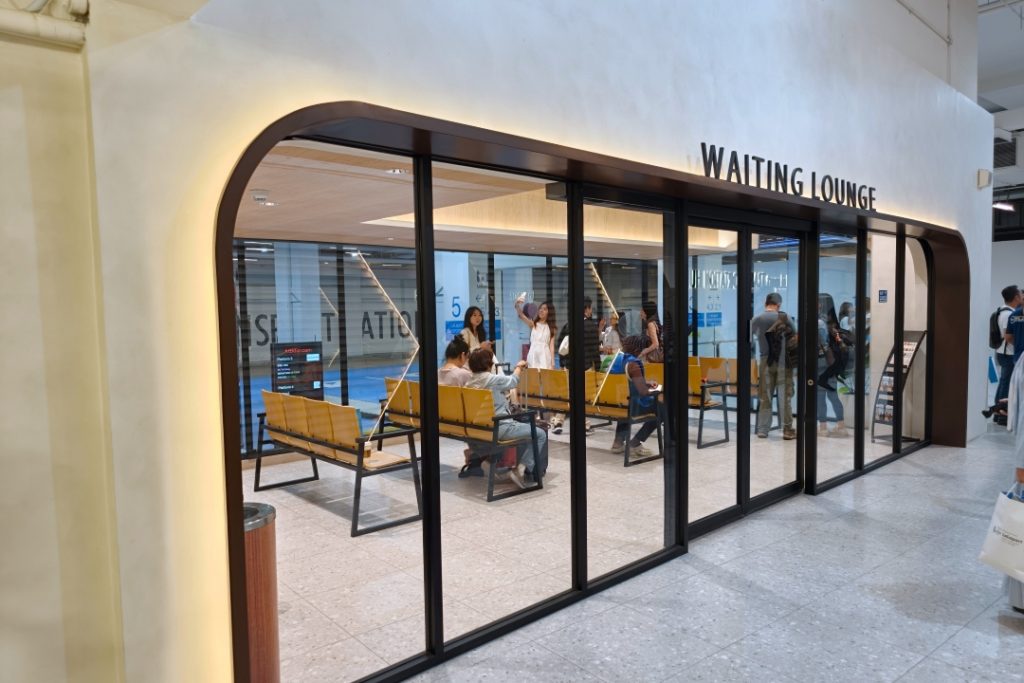
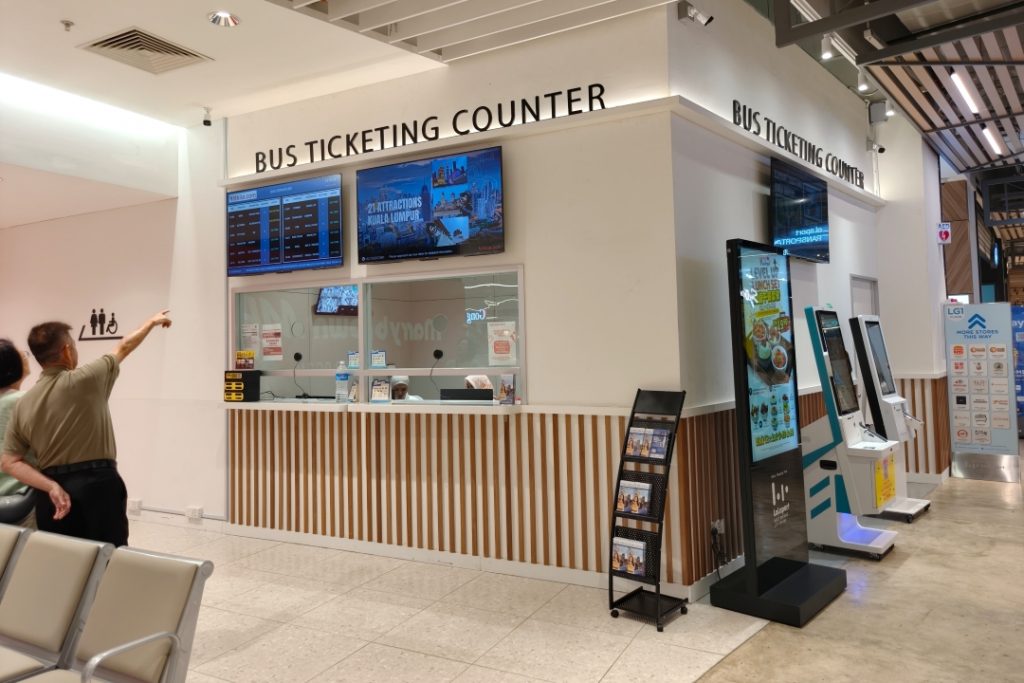
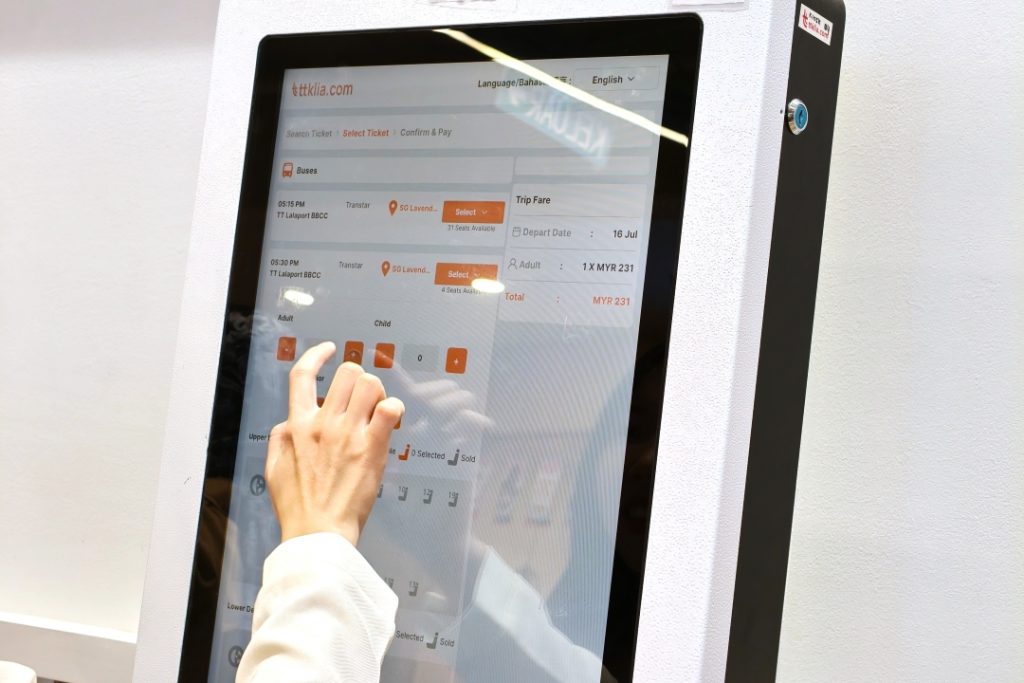
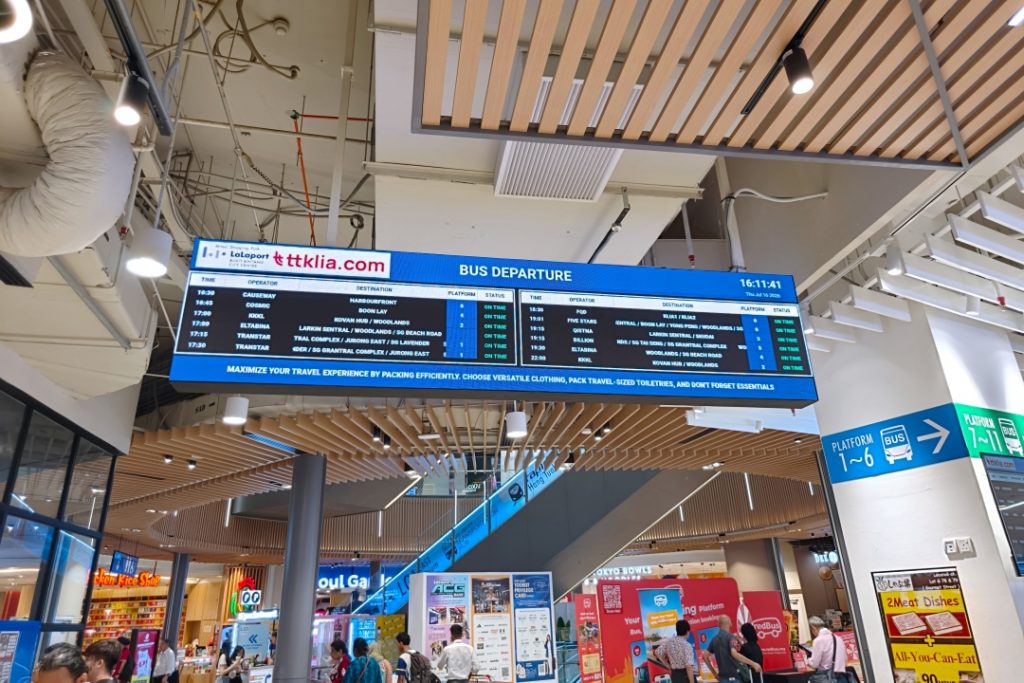
The LaLaport Transportation Hub features 11 bus bays, air-conditioned waiting lounges, ticketing counters, self-service ticket kiosks and a Passenger Information Display System (PIDS) providing real-time departure information.
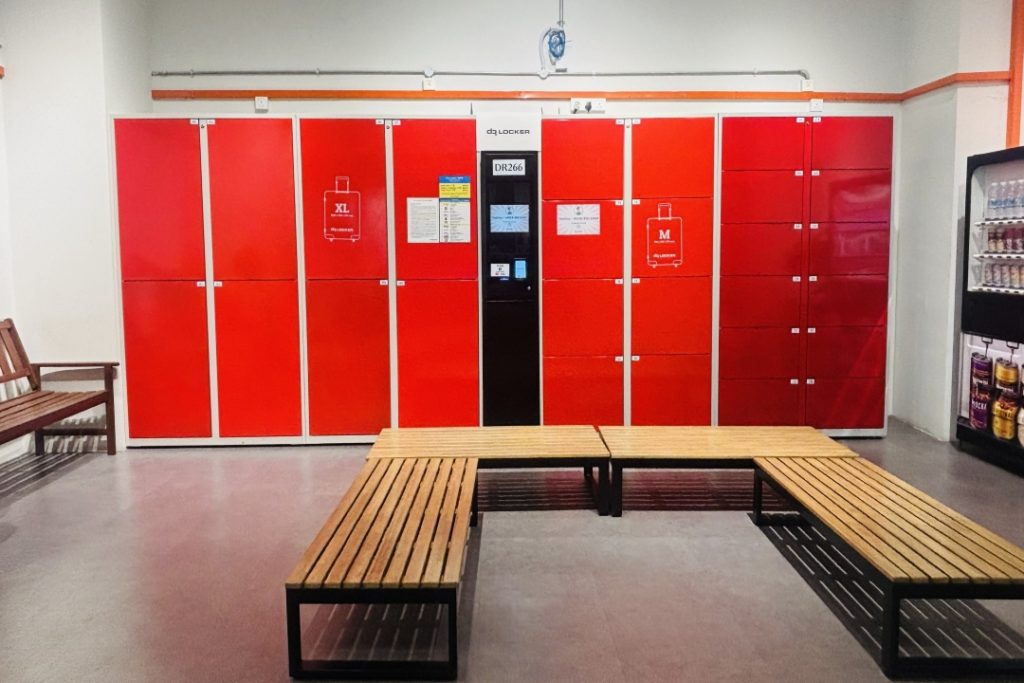
Passengers also have access to amenities within the mall, including ATMs, money changers, luggage lockers, complimentary Wi-Fi, restrooms, 24-hour security monitoring and accessibility features for senior citizens and persons with disabilities.
Direct Connections To Rail, Buses And Airport Transfers
A key feature of the hub is its integration with Kuala Lumpur’s public transport network.
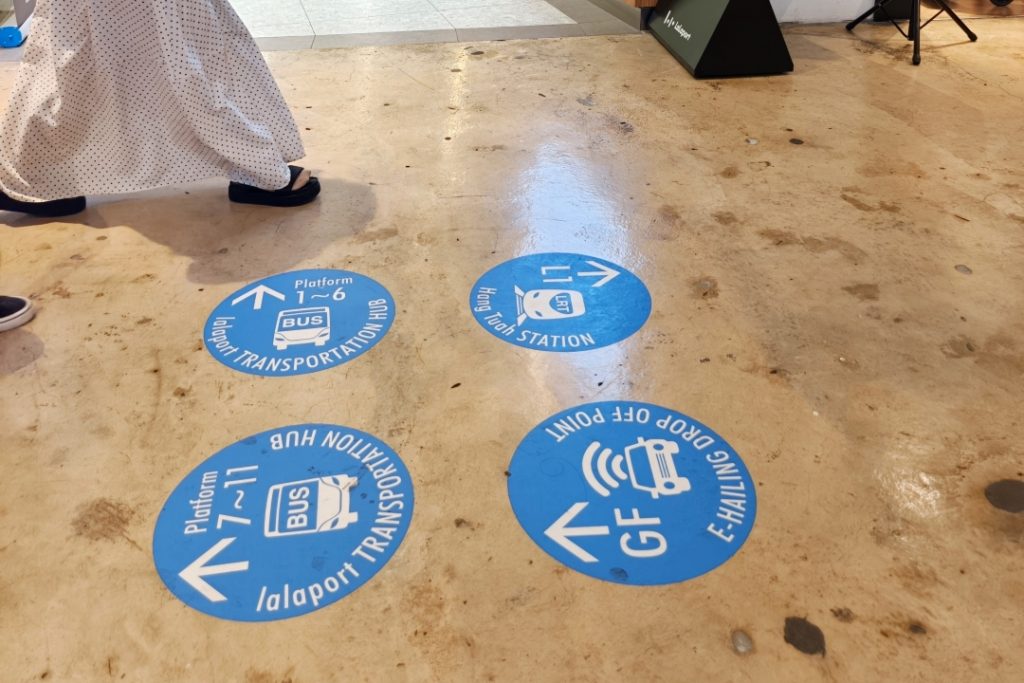
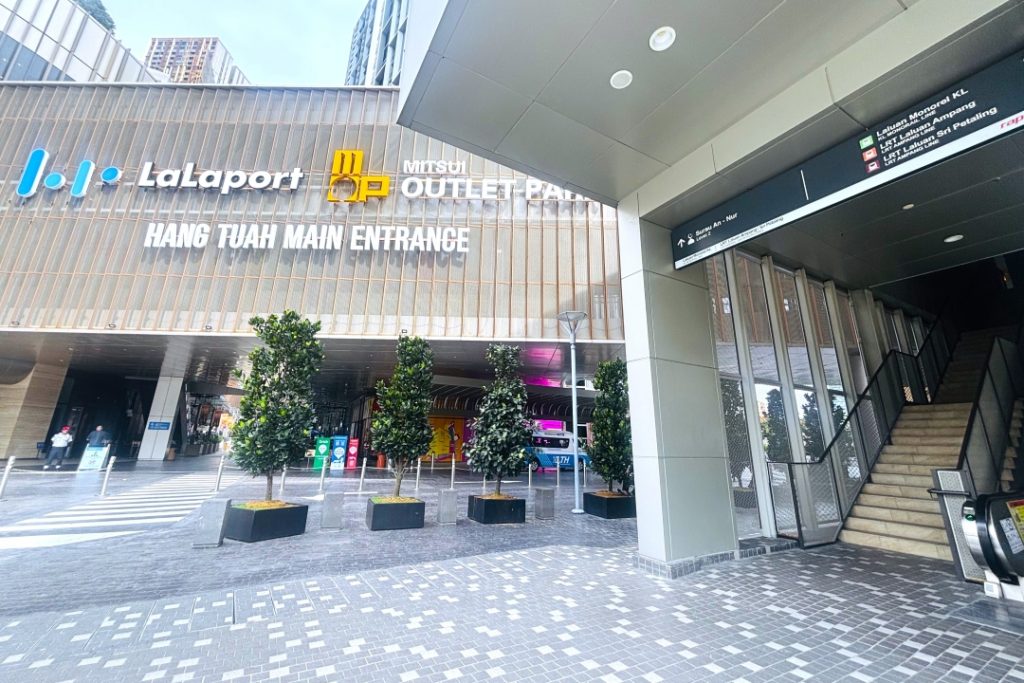
Passengers can walk directly to the Hang Tuah LRT and Monorail stations, while nearby MRT connections provide seamless transfers between rail and express bus services.
The development also consolidates several first- and last-mile transport options under one roof, including:
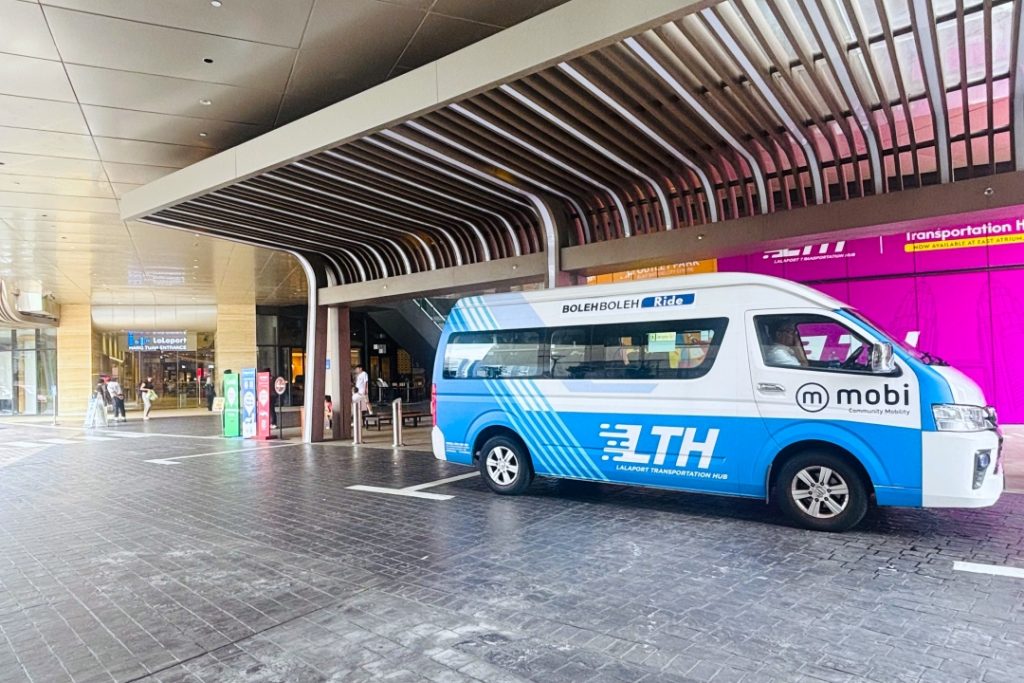
- Boleh-Boleh Ride on-demand shuttle services
- Dedicated e-hailing pick-up and drop-off zones
- Taxi services
- Car rental facilities
- E-scooter rental
- EV charging facilities
- Covered pedestrian links to surrounding destinations
For air travellers, the hub also offers dedicated shuttle van services to KLIA Terminal 1 and Terminal 2, providing an alternative airport transfer option.
Wide Choice Of Bus Operators Serving KL-Singapore Routes
Approximately 30 bus operators are expected to use LTH as their primary city-centre terminal, focusing mainly on cross-border Kuala Lumpur-Singapore services.
The hub is designed to handle around 150 bus departures daily, operating 24 hours a day, with facilities supporting online booking, e-ticketing and dedicated service counters.
Supporting Sustainable Urban Mobility
According to Mitsui Fudosan (Asia) Malaysia Managing Director Masayoshi Saito, the new transportation hub is intended to support smoother travel for both local and international visitors while aligning with the Government’s sustainable mobility agenda.
By bringing together rail, express buses, airport transfers and shared mobility services in a single location, LaLaport BBCC aims to reduce reliance on private vehicles, helping ease traffic congestion and lower carbon emissions.
The concept draws inspiration from Mitsui Fudosan’s integrated transport-oriented developments in Japan, including Tokyo Midtown Yaesu and the ongoing Tsukiji redevelopment, where transport infrastructure is combined with retail and lifestyle offerings.
The transportation hub is operated by Asia Success Resources Sdn Bhd (ASR), an experienced transport hub operator that also manages facilities at KLIA Terminal 2, while Semba Corporation oversaw the planning and design of the project.
CarTok Editor’s Note
Integrated transport hubs do more than improve mobility—they can reshape the economics of an entire district. By bringing together express buses, rail connections and airport transfers at LaLaport BBCC, the development creates a natural arrival point for domestic and international travellers. That, in turn, makes nearby hotels more attractive accommodation choices while generating additional footfall for surrounding restaurants, cafés and retailers.
If passenger numbers continue to grow, the transportation hub could become an important catalyst for the wider Bukit Bintang area, reinforcing the value of transport-oriented development in Kuala Lumpur.