Grab To Co-Fund Gig Worker Support Under Budget 2027, Targeting Higher Earnings And Lower Costs


Grab Malaysia will co-fund a series of initiatives with the Government to improve earnings, reduce operating costs and strengthen social protection for e-hailing drivers and delivery riders under Budget 2027.
Announced on 9 October, the package is expected to increase median monthly net income by up to RM227 for e-hailing driver-partners and RM100 for p-hailing delivery-partners, while introducing measures to ease vehicle maintenance and insurance expenses.

For Malaysia’s ride-hailing industry, the measures address a fundamental business challenge: drivers need to earn enough to justify the cost of working, while passengers expect fares to remain affordable.
The proposed initiatives will be rolled out from 2027, with final details and rates still subject to further deliberation.
Five Measures To Improve Gig Worker Economics
The package covers earnings, vehicle maintenance, insurance, social protection and passenger demand.
1. Proposed minimum baseline rates
Grab has reached an agreement in principle on a proposed minimum baseline rate for e-hailing and p-hailing workers, in alignment with the Government’s proposed interim framework.
The Gig Consultative Council will continue deliberations to determine the final rates. The adjustment is intended to improve partners’ take-home earnings while keeping passenger fares stable during the framework’s introduction.
2. Lower vehicle maintenance costs
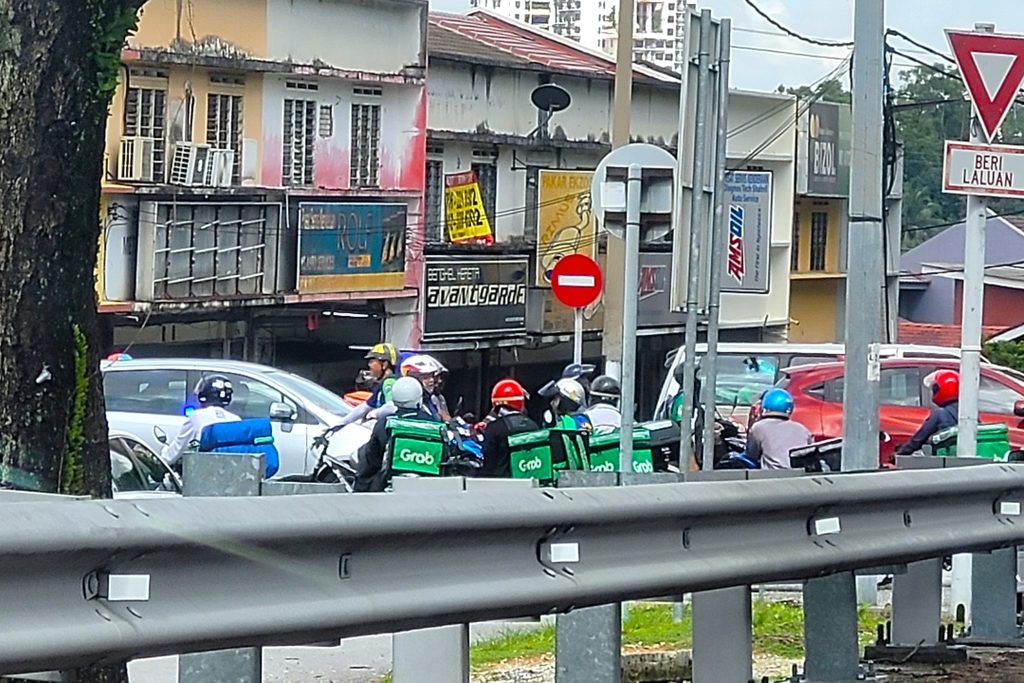
The Government will help co-fund a vehicle maintenance subsidy, starting with lubricants. Through a specified mechanism, the subsidy is intended to reduce operating costs for driver- and delivery-partners by up to 35%.
For drivers, vehicle expenses are a direct deduction from earnings. Engine oil, servicing, tyres, brakes and other wear-and-tear items accumulate with mileage, making cost management important for those who spend long hours on the road.
3. Reduced e-hailing insurance costs
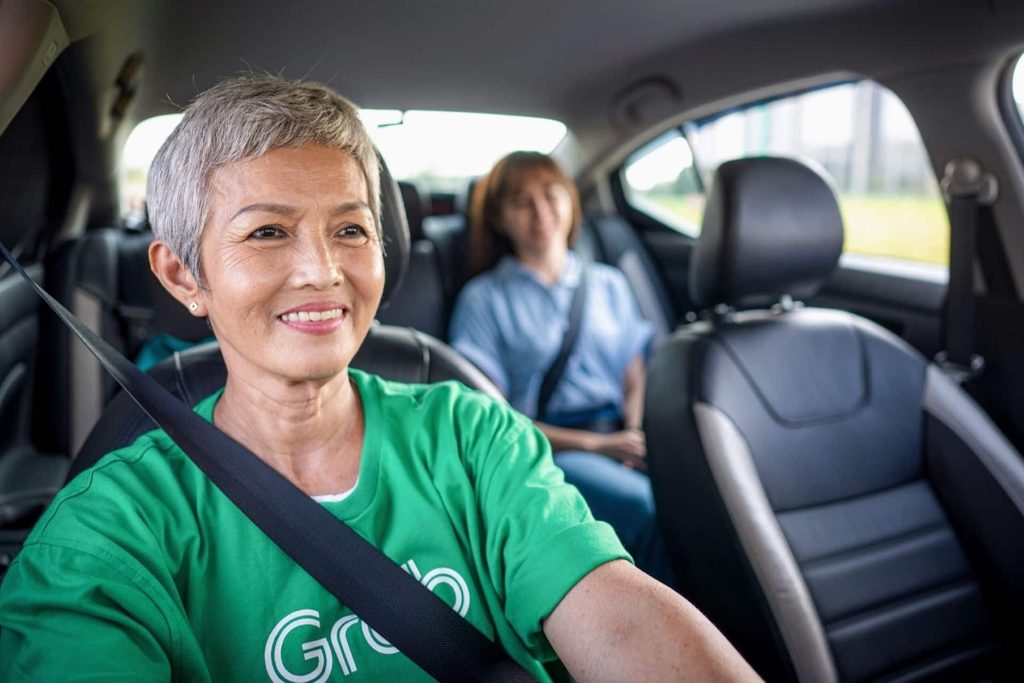
Grab will introduce an interim safety incentive aimed at helping eligible driver-partners with good safety scores reduce regulatory e-hailing insurance costs by up to 25%.
The programme links safer driving behaviour with lower operating costs, while Grab says it will continue working with the Government on longer-term solutions to address insurance expenses.
4. PERKESO social protection
Grab and the Government will support mandatory PERKESO contributions as the industry transitions under the Gig Workers Act.
Grab’s most active driver- and delivery-partners will receive 100% free coverage, while other partners will receive contribution subsidies of up to 50%. The stated objective is to extend social protection without reducing partners’ take-home earnings.
5. First- and last-mile public transport connectivity
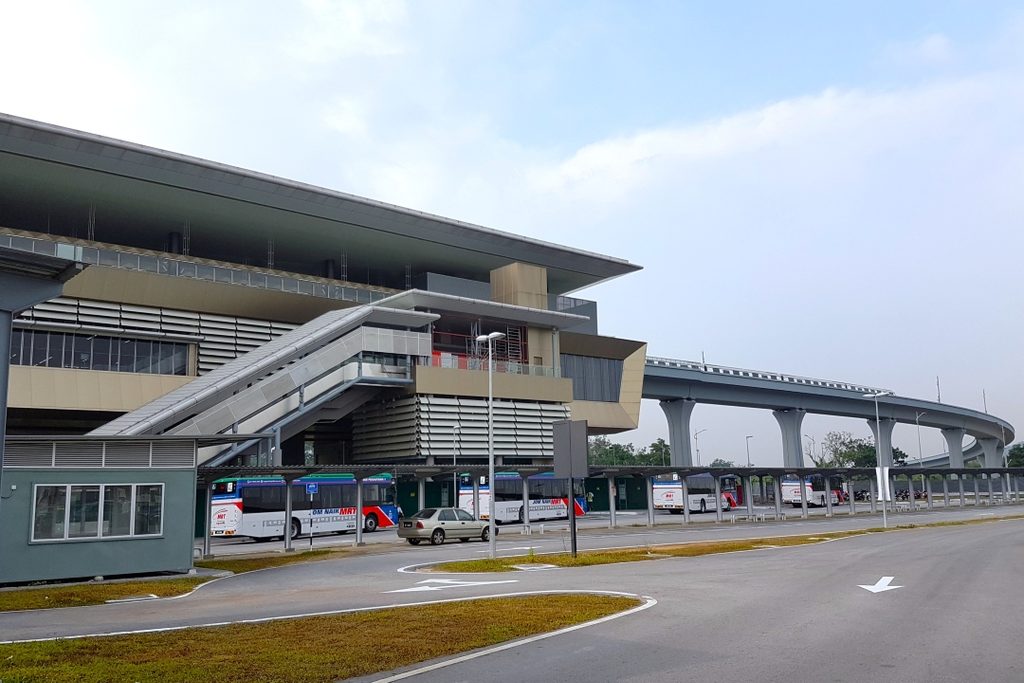
Grab will work with the Government to introduce a dedicated monthly transit pass for discounted e-hailing rides to and from train stations, starting in the Klang Valley.
The initiative is intended to make rail services more accessible while generating additional demand for drivers, particularly for journeys connecting residential areas and workplaces to public transport hubs.
Grab Malaysia executive director Rashid Shukor said the initiatives were developed in collaboration with the Government to address everyday financial pressures faced by its partners and support a more sustainable gig economy.

The Economics Behind the Ride-Hailing Business
The package highlights an important distinction between gross earnings and actual income.
An e-hailing driver may collect a substantial amount in fares over a working day, but the money remaining after fuel, maintenance, insurance and other expenses can be substantially lower. Vehicle depreciation and financing costs also affect the economics of using a privately owned car for commercial work.
The same principle applies to delivery riders, whose earnings depend on completed orders, time spent travelling and the costs of keeping their vehicles operational.
Consequently, improving gross earnings alone may not be enough. Lowering operating costs is just as important to help increase the amount workers retain.
The proposed maintenance and insurance measures are therefore significant alongside the baseline-rate initiative. However, the actual impact will depend on eligibility, the subsidy mechanism, implementation costs and how much of the savings reaches individual partners.
The projected increases of up to RM227 and RM100 in monthly net income should also be considered as estimates instead of guaranteed increases for every worker.
Can Higher Driver Earnings Coexist With Stable Fares?
For ride-hailing platforms, improving driver economics without making rides more expensive will be a delicate balancing act.
Higher minimum rates could improve the attractiveness of driving, potentially helping platforms retain sufficient driver supply. But if the additional cost cannot be absorbed through operational efficiencies, incentives or co-funding, maintaining stable passenger fares could become more difficult.
Grab’s proposed approach involves working with the Government to share the cost of supporting workers, instead of relying solely on fare adjustments.
The outcome will depend on the final framework and the division of costs between the platform, Government and other parties. It will also depend on demand: additional drivers’ income opportunities are more sustainable when supported by enough passenger trips.
This makes the proposed first- and last-mile transit pass particularly relevant. By connecting commuters to train stations, Grab could generate trips that complement public transport instead of competing with it for the entire journey.
For the Klang Valley, where access to rail stations can be a practical obstacle for some commuters, discounted connections could make public transport more convenient while creating additional work for drivers. The challenge will be designing the offer so that it attracts new or additional journeys rather than simply subsidising trips that would have happened anyway.
A Wider View Of Malaysia’s Economy
The measures also reflect a broader economic issue: the rising cost of earning a living.
For gig workers, vehicle-related expenses are not household consumption. They are inputs into a small, individual transport or delivery business. When maintenance, insurance and other operating costs rise faster than earnings, the real return on working more hours will decline.
Helping workers manage these costs would support household disposable income and spending. Stronger social protection would also reduce the financial vulnerability associated with work that does not follow a conventional salaried employment model.

There is wider public interest involved too. E-hailing and delivery services are a part of the urban economy, linking consumers, businesses, and transport networks. A more sustainable operating model matters not only to Grab or similar platforms, but also to the availability and reliability of these services.
However, subsidies do not eliminate costs; they redistribute them. Thus, the Government’s contribution has to be weighed against competing demands for public finances. Platforms must also prove that their share produces measurable improvements in worker welfare and service quality.
CarTok Editor’s Note
Grab package is meant to address a problem in the ride-hailing business: a driver’s earnings mean little if the cost of keeping the car on the road keeps rising.
The proposed baseline rates, maintenance assistance and insurance incentives are practical steps, but final implementation details will need to be practical for this to be effective. Drivers need transparent calculations of their net earnings, clear-cut subsidy eligibility and also confidence that additional protections will not be offset elsewhere by hidden costs.
A successful and sustainable gig economy needs these factors to work: how much more of their earnings drivers actually retain, whether passengers can still afford the service, and how much of the cost is borne by the Government and the platform.