Grab Malaysia Introduces ‘Group Ride’ Feature To Reduce Commuting Costs And Improve Urban Mobility

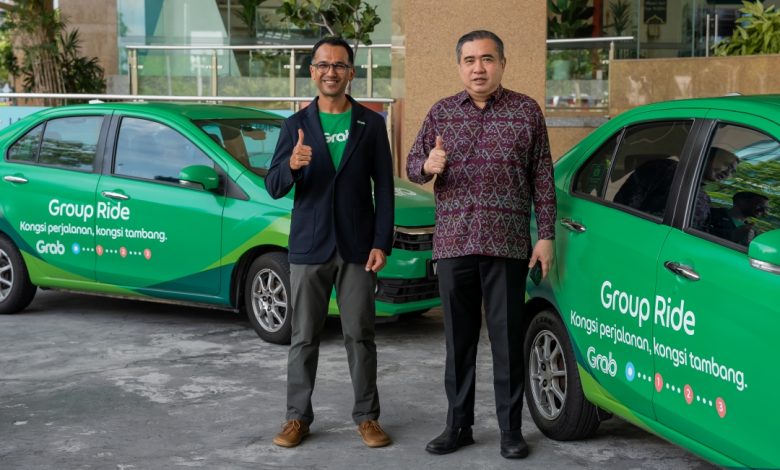
Grab has introduced a new feature called Group Ride in Malaysia, aimed at making daily travel more affordable while supporting smarter and more efficient urban mobility.
This new feature allows multiple passengers travelling along similar routes to share a single e-hailing vehicle through the Grab app. The company says the feature is designed around three main pillars: affordability, technological efficiency, and sustainability.

Malaysia’s Minister of Transport, YB Loke Siew Fook, also experienced the new feature firsthand alongside several Ministry personnel during the announcement event in Putrajaya. According to the Ministry, the introduction of services such as Group Ride complements the government’s broader #TanggungjawabBersama initiative, which encourages e-hailing operators to expand carpooling solutions and reduce travel expenses for commuters.

Loke noted that ongoing fuel supply disruptions linked to geopolitical tensions in West Asia have already led more Malaysians to rely on public transportation and shared mobility alternatives to reduce daily costs. He added that technologies enabling smarter route planning could also help reduce fuel wastage while improving productivity for e-hailing driver-partners.
Up To 40% Savings On Fares
According to Grab Malaysia, Group Ride allows passengers to save up to 40% on fares compared to individual ride bookings.
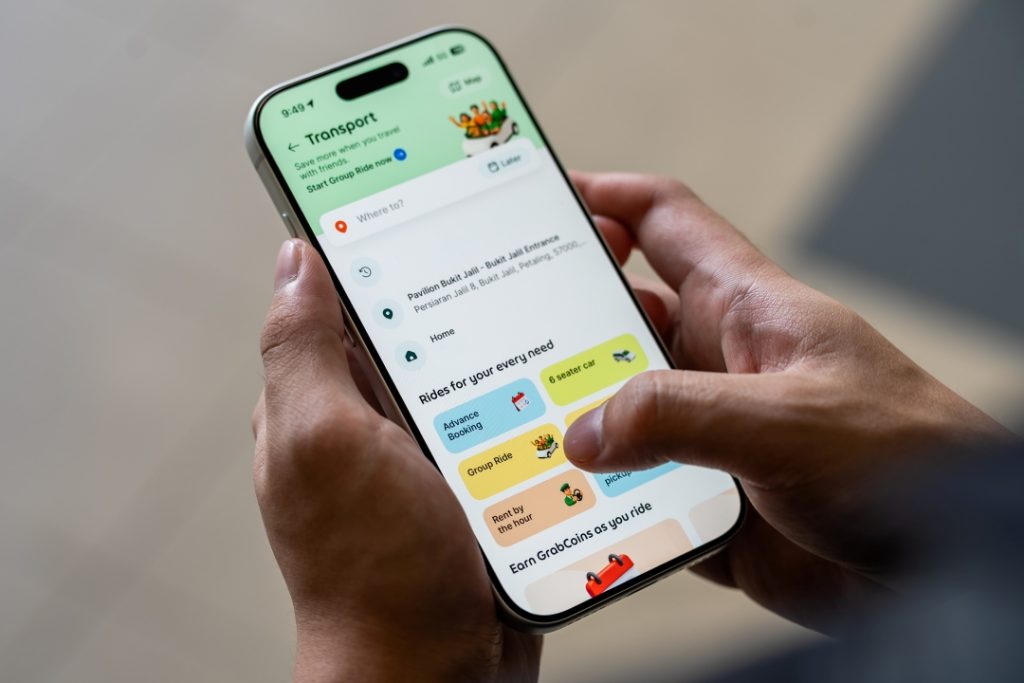
The feature supports several ride-sharing configurations, including:
- Multiple pick-up points heading to one destination
- A single pick-up point with multiple drop-off locations
- Flexible fare splitting among passengers
Similar to the GrabFood Group Order system, the host can either pay the full fare or split the payment equally or proportionally based on individual travel distance.
Grab says its proprietary AI-driven route optimisation system automatically sequences pick-ups and drop-offs to improve efficiency for both passengers and driver-partners.
A new “Waiting Room” feature is also currently in development, allowing passengers within the ride group to monitor vehicle progress and passenger readiness in real time.
Safety Features Remain Integrated
Despite the additional complexity involved in shared rides, Grab says Group Ride remains integrated with its existing safety ecosystem.
This includes:
- The Safety Centre within the app
- “Get Emergency Help” SOS functionality
- Trip monitoring technology
The company says the feature is intended to reduce the number of vehicles on the road while supporting lower fuel consumption and reduced carbon emissions.
Gradual Rollout Across Malaysia
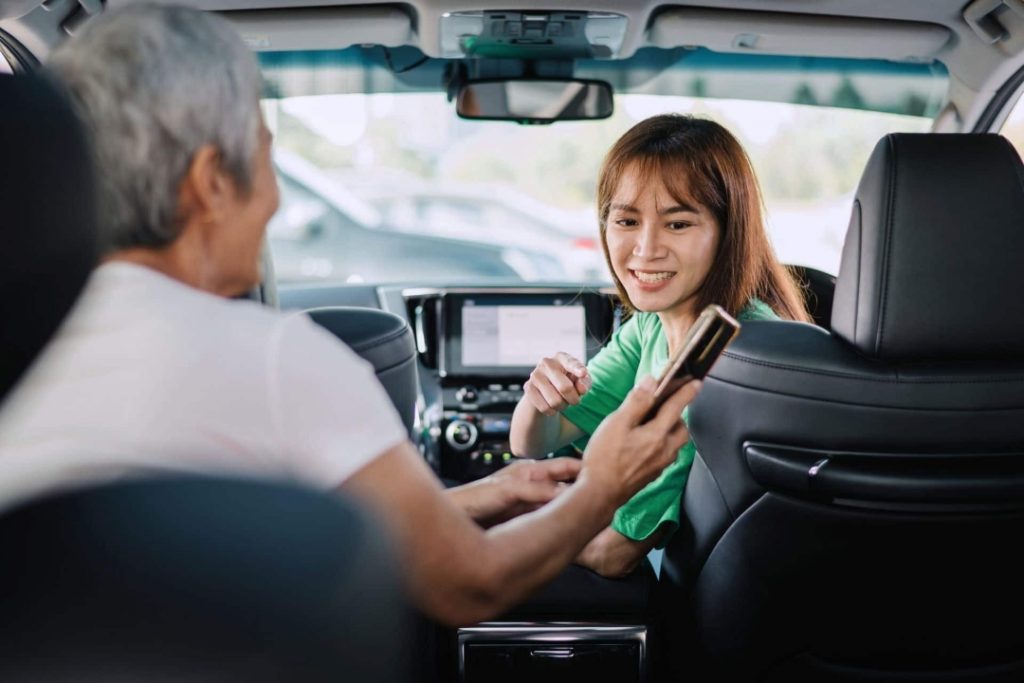
Group Ride is currently being rolled out progressively to eligible users across Malaysia via the Grab mobile application.
Grab says the feature is intended for a wide range of use cases, including daily commuting, travelling with colleagues, family outings, and shared trips to events. Users can learn more about the feature through the Help Centre within the Grab app.
CarTok Editor’s Note
Malaysians have been informally sharing rides for years, especially among colleagues, university students, and groups heading to the same destination. What Grab is really doing here is formalising that behaviour into a structured, app-managed mobility system.
This matters when urban transportation is increasingly becoming less about owning vehicles and more about optimising how existing vehicles are used. In dense cities, efficiency delivers bigger real-world impact than simply adding more roads or more cars.
The challenge, however, is behavioural. Malaysians generally value convenience, privacy, and direct point-to-point travel. And shared mobility only works well when the experience remains seamless enough that users do not feel like they are sacrificing too much time or flexibility to save money.
If Grab’s routing algorithms can consistently balance cost savings without turning daily commutes into lengthy detours, Group Ride could become one of the more practical mobility features introduced locally.