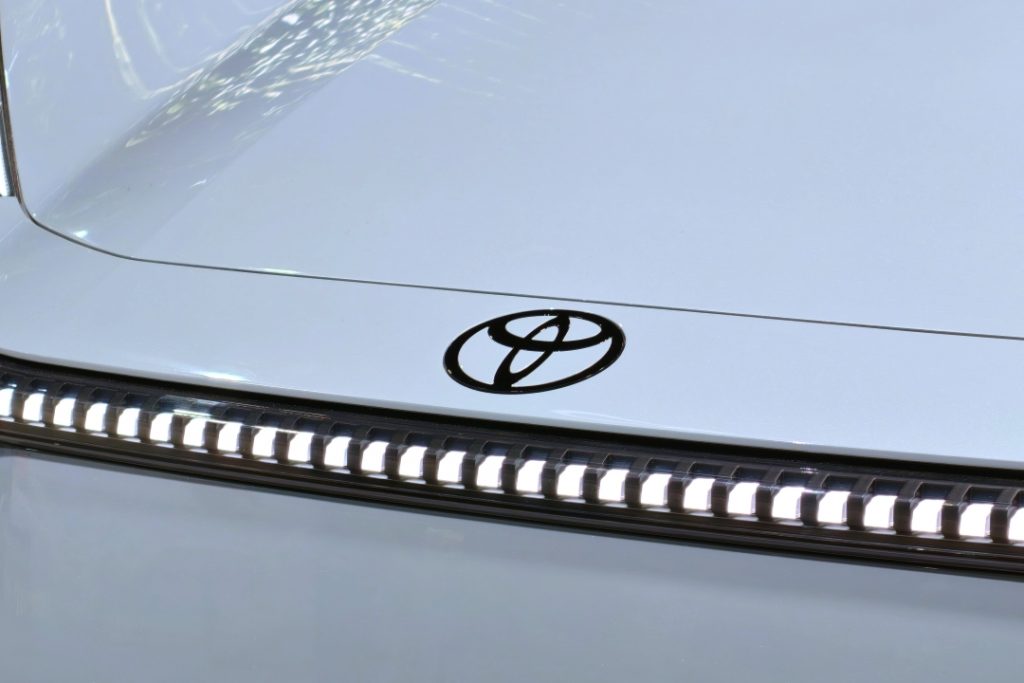
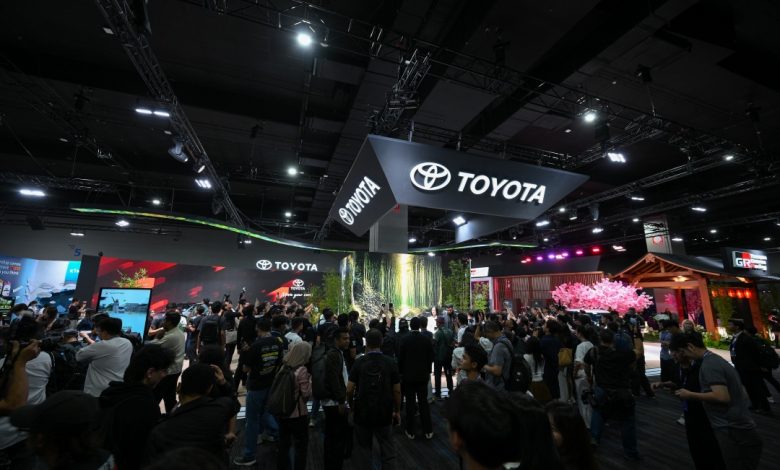
UMW Toyota Motor (UMWT) is showcasing its vision for future mobility at the Kuala Lumpur International Mobility Show (KLIMS) 2026, combining concept vehicles, electrification technologies and interactive experiences under one pavilion at the Malaysia International Trade and Exhibition Centre (MITEC).
Running from 12 to 21 June, Toyota’s exhibit highlights how the company sees mobility evolving while remaining connected to practical solutions already available to customers today.

Exploring Toyota’s Multi-Pathway Approach
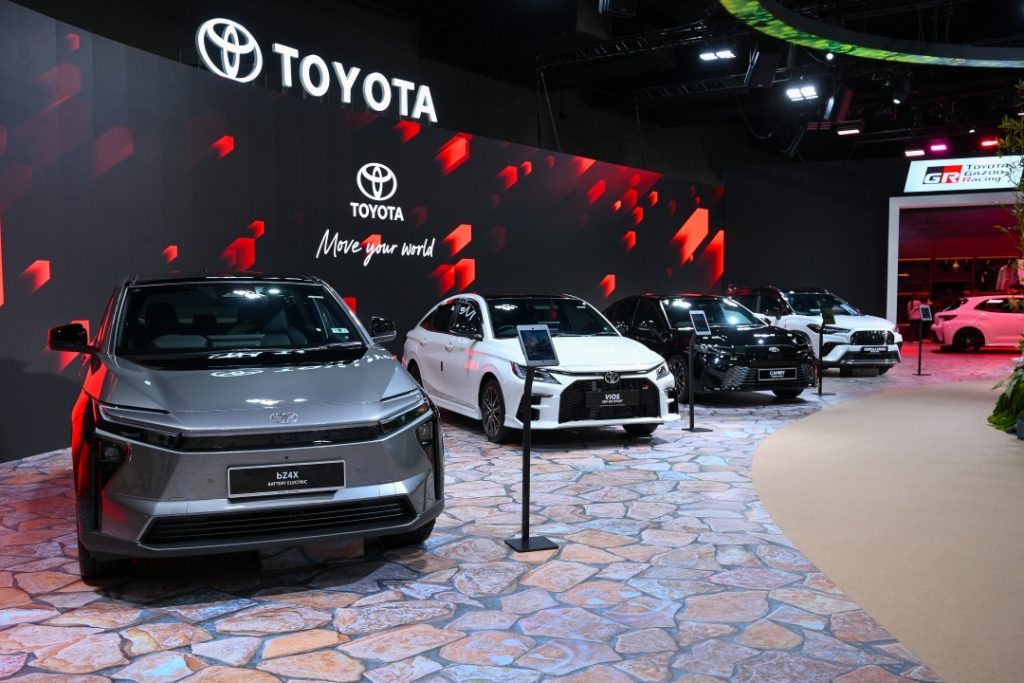
The KLIMS 2026 showcase reflects Toyota’s Multi-Pathway strategy, which offers multiple routes towards lower-carbon mobility based on customer needs, usage patterns and readiness for electrification.
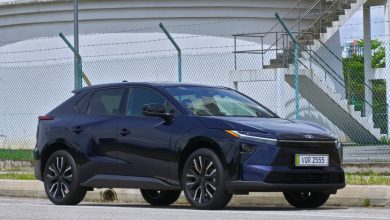
In Malaysia, Toyota’s electrification journey has primarily been driven by Hybrid Electric Vehicles (HEVs), with Battery Electric Vehicles (BEVs) complementing the lineup.
According to UMW Toyota Motor President Datuk Ravindran K., the company’s future mobility plans remain grounded in practicality and customer trust. “Toyota has been part of Malaysia’s mobility journey for more than 60 years, and the trust we have built with customers continues to guide how we move forward,” he said.
“As mobility changes, our focus is to ensure that future ideas are not only exciting but also meaningful and relevant to people’s everyday lives.”
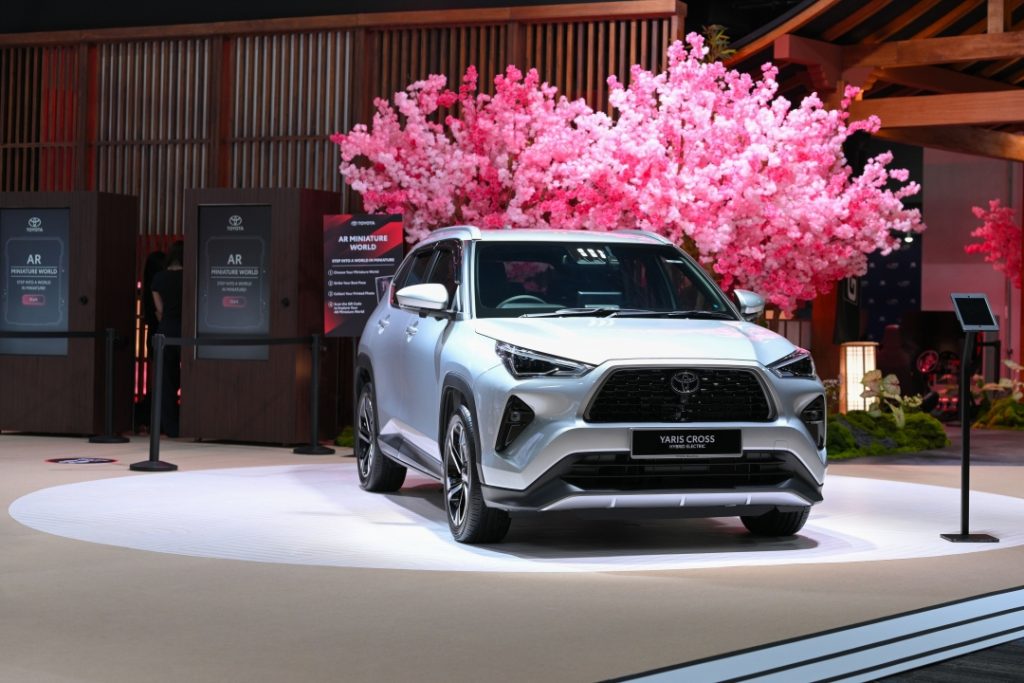
Three Concept Vehicles Showcase Future Mobility Ideas
At the centre of Toyota’s display are three concept models that explore different interpretations of future mobility.
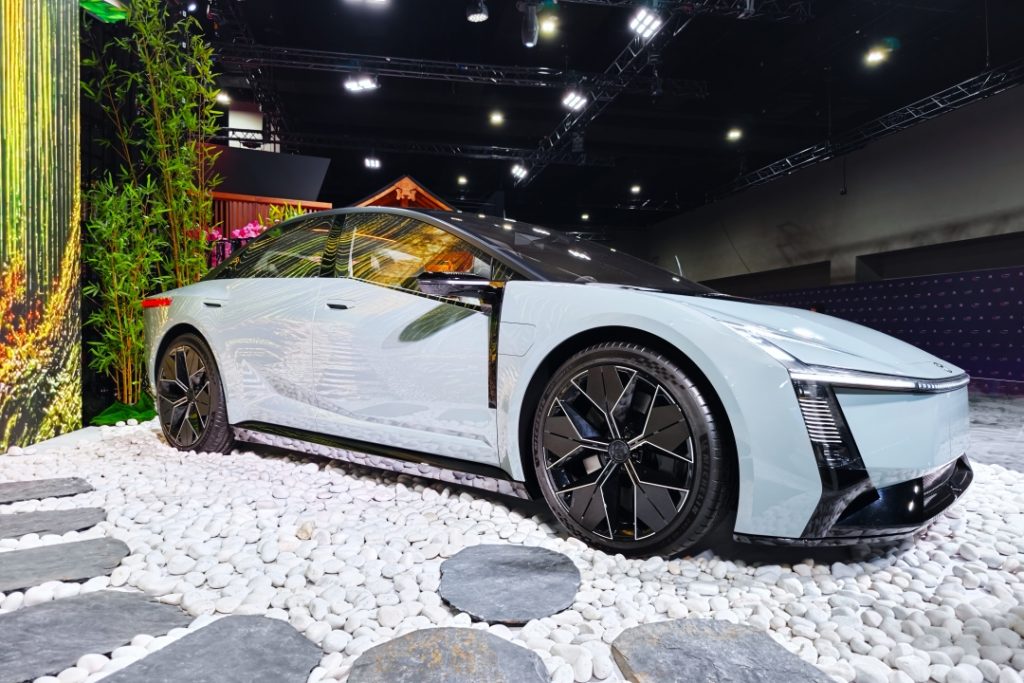
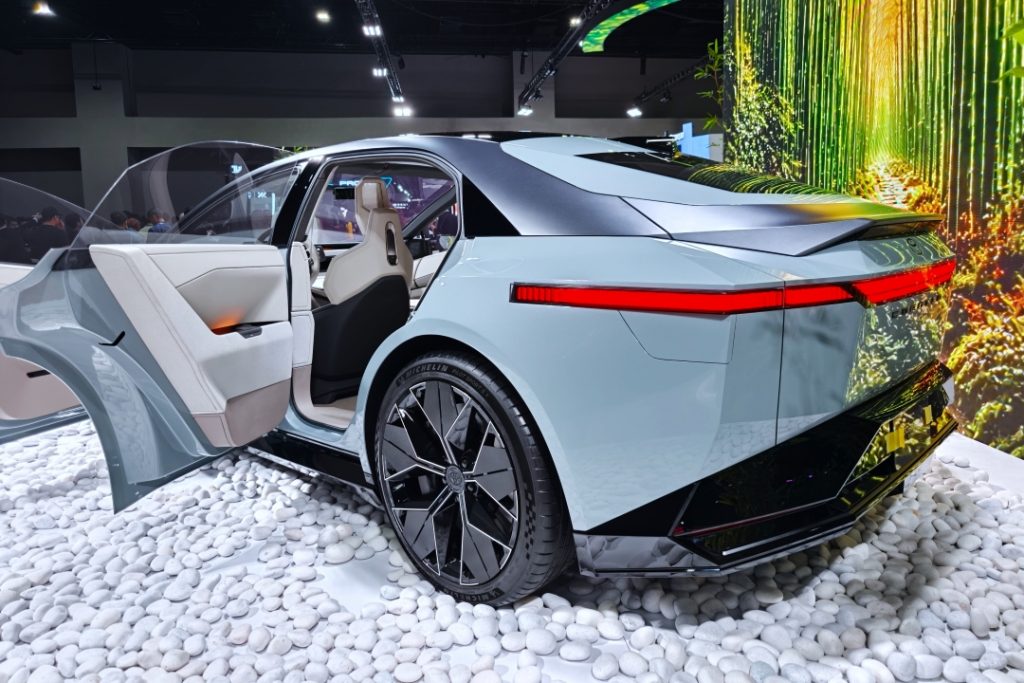
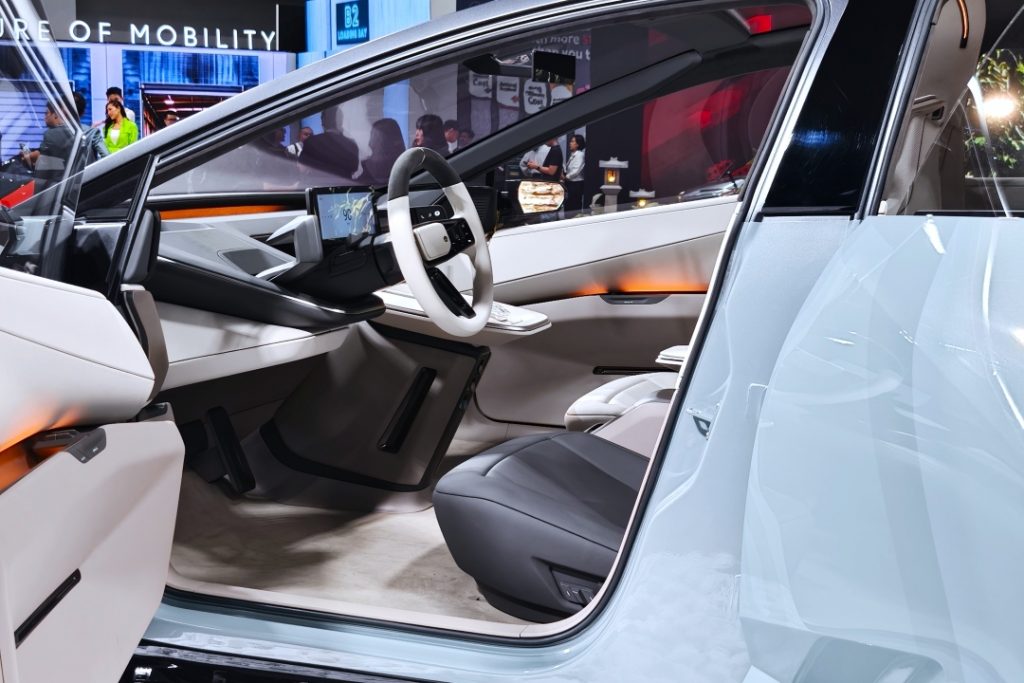
Corolla Concept
The Corolla Concept reimagines one of Toyota’s most recognisable nameplates for future generations. The concept explores how vehicle design, packaging and powertrain technologies could evolve while retaining the accessibility and dependability that have defined the Corolla name for decades.
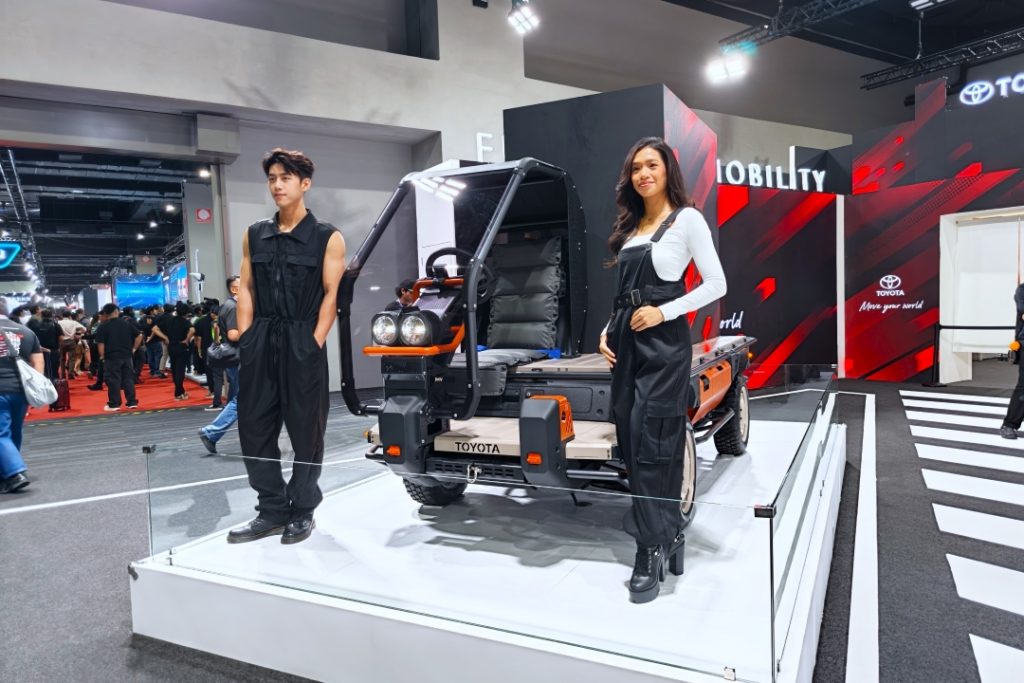
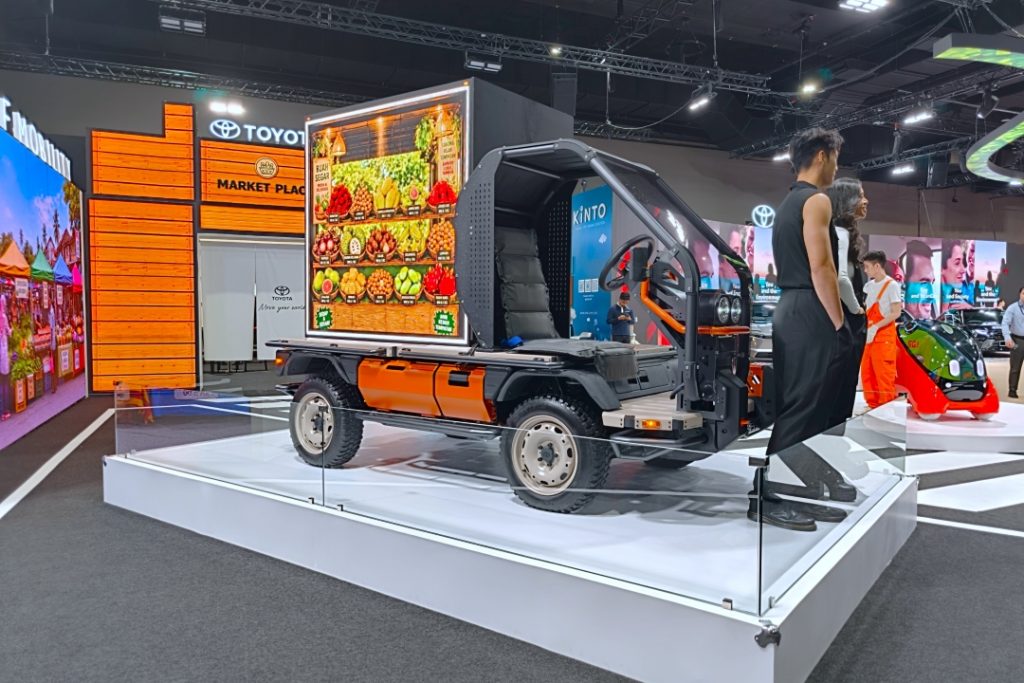
IMV Origin
The IMV Origin shifts the focus from personal transportation to community-focused mobility.
Designed around adaptability and practicality, the concept reflects Toyota’s vision of vehicles that support local businesses, livelihoods and community resilience. The vehicle also emphasises repairability and real-world usability alongside technological advancement.
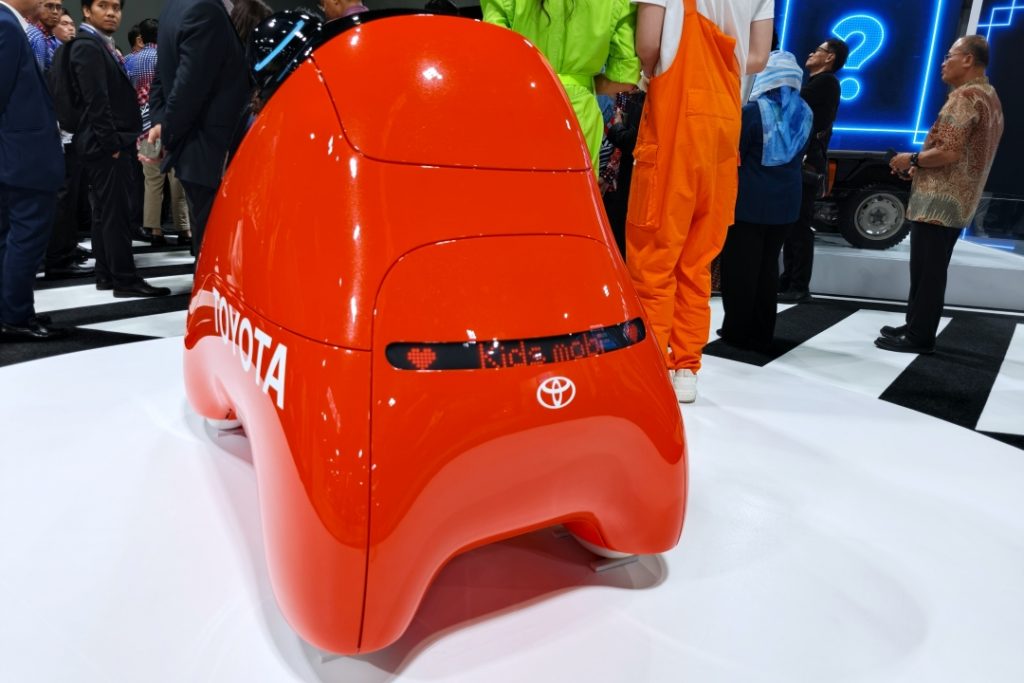
Toyota Kids mobi
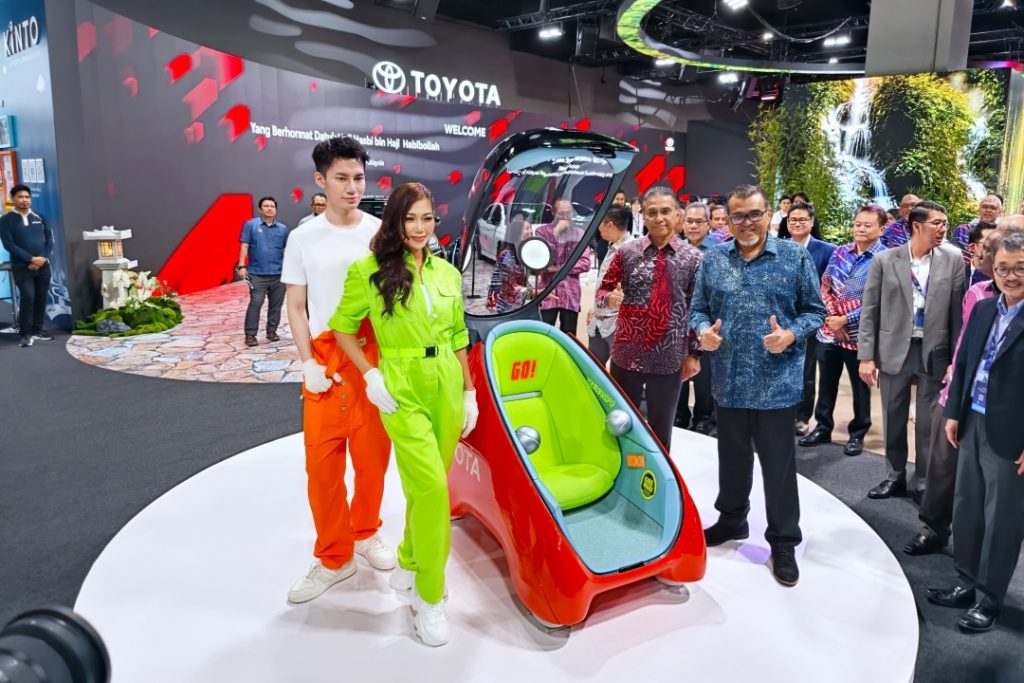
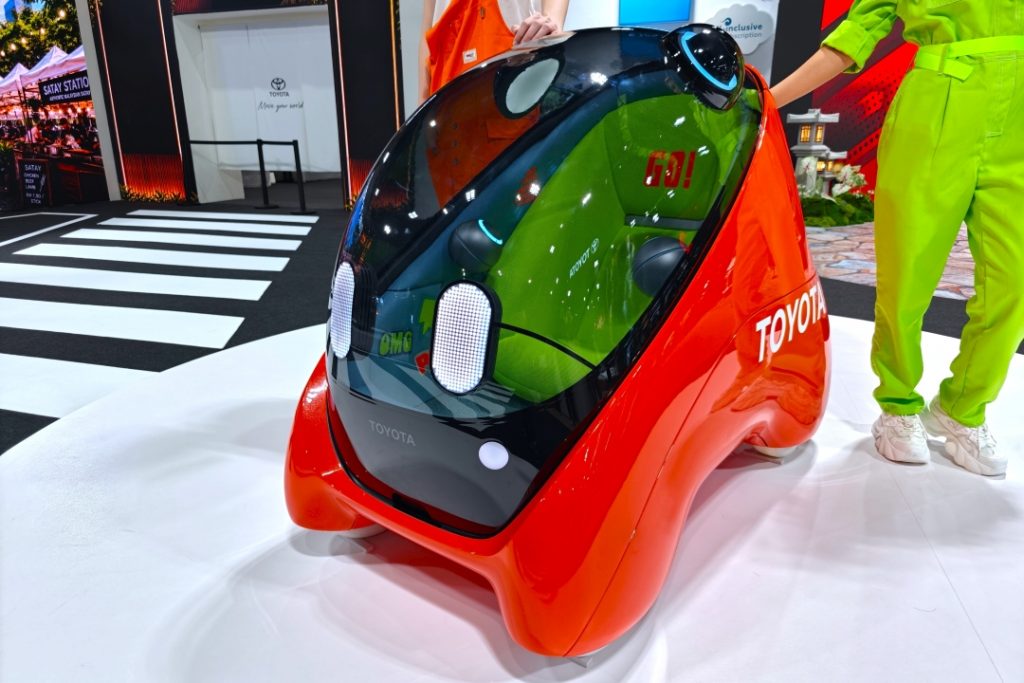
The Toyota Kids mobi presents a different perspective by focusing on mobility for children.
The concept explores how AI-assisted personal mobility could help younger users gain greater independence and confidence in safe, controlled environments. It also highlights Toyota’s broader ambition of creating mobility solutions that serve users whose needs may not be addressed by conventional vehicles.
Toyota GAZOO Racing Experience
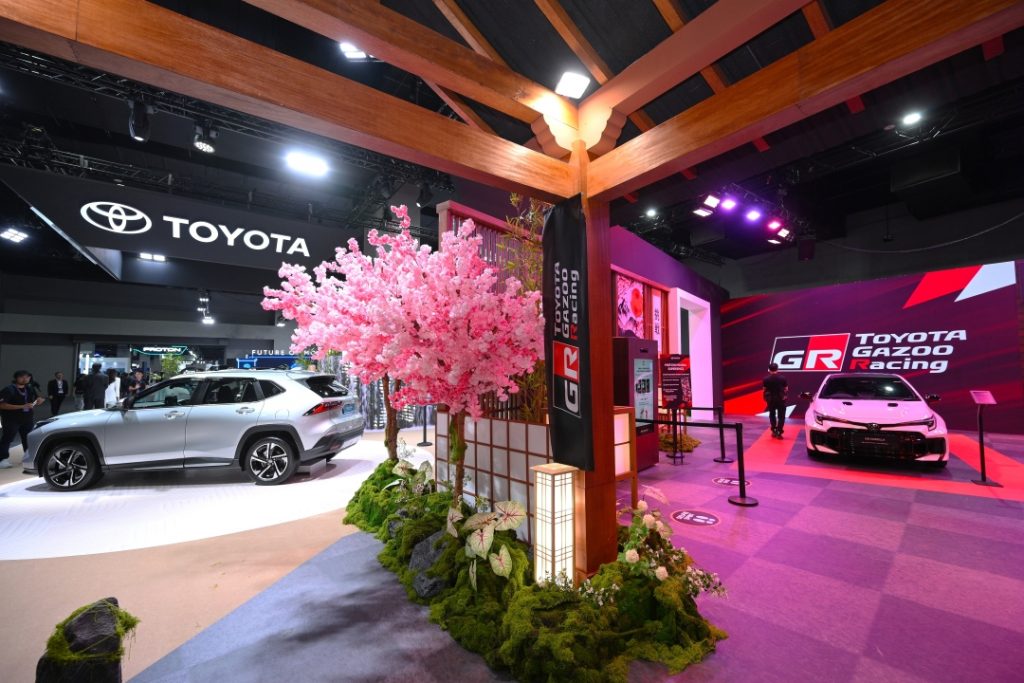
Beyond future mobility concepts, visitors can also experience Toyota’s motorsport and performance division through a dedicated Toyota GAZOO Racing (GR) section.
The area features GR performance models, a racing simulator experience and official merchandise, allowing visitors to engage with Toyota’s performance-oriented side while learning how motorsport contributes to vehicle development.
Quality And Trust Remain Core Priorities
While showcasing future technologies and mobility concepts, Toyota says its longstanding focus on Quality, Durability and Reliability remains unchanged.
The company emphasises that future electrified products and mobility solutions will continue to be developed around the same principles that have helped establish customer confidence in the brand over the years.
Through its KLIMS 2026 presence, Toyota aims to demonstrate how its future mobility ambitions can coexist with practical solutions available to Malaysian customers today, while supporting its broader vision of “Mobility for All”.
CarTok Editor’s Note
Future mobility showcases often drift into science-fiction territory, filled with concepts that feel decades away from reaching the road. Toyota’s KLIMS 2026 display takes a different approach. While the Corolla Concept, IMV Origin and Kids mobi offer a glimpse into tomorrow, the message is that Toyota isn’t betting on a single solution. Instead, it continues to push its Multi-Pathway strategy, recognising that Malaysia’s transition to lower-carbon mobility will likely be gradual, varied and shaped by real-world needs rather than ideal scenarios. The most pragmatic vision of the future is one that acknowledges not everyone will arrive there the same way.