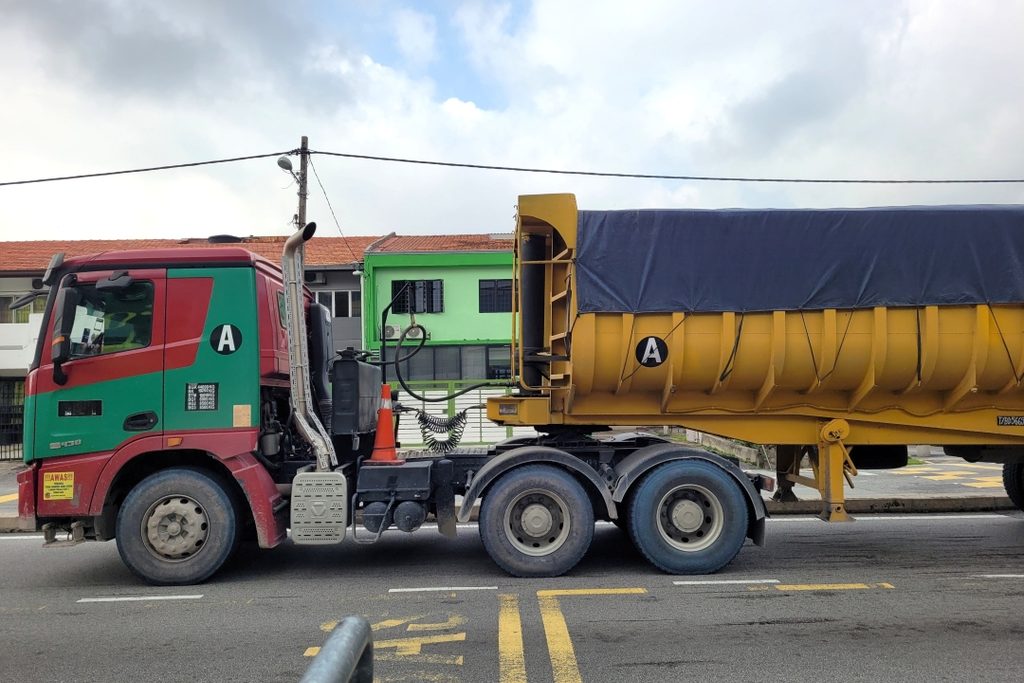
PUSPAKOM Backs JPJ Crackdown On Lorry Tyre Rental Scheme To Protect Inspection Integrity

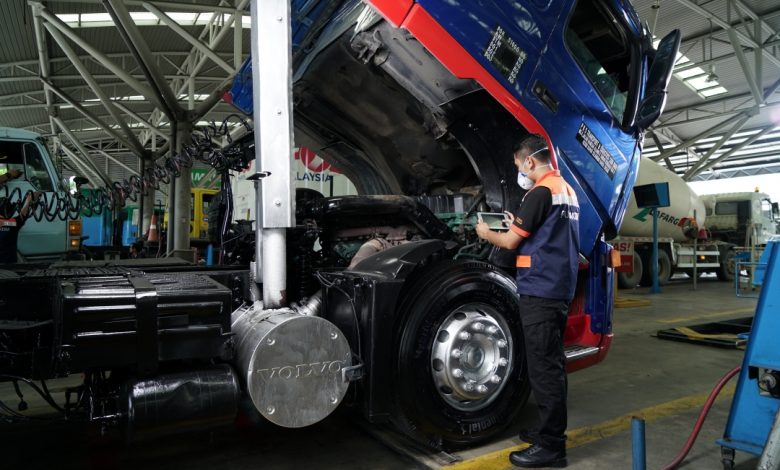
PUSPAKOM has backed enforcement action by the Road Transport Department (JPJ) against an alleged lorry tyre rental scheme in Kuantan, warning that temporarily fitting roadworthy tyres to pass inspections defeats the purpose of mandatory vehicle safety checks.
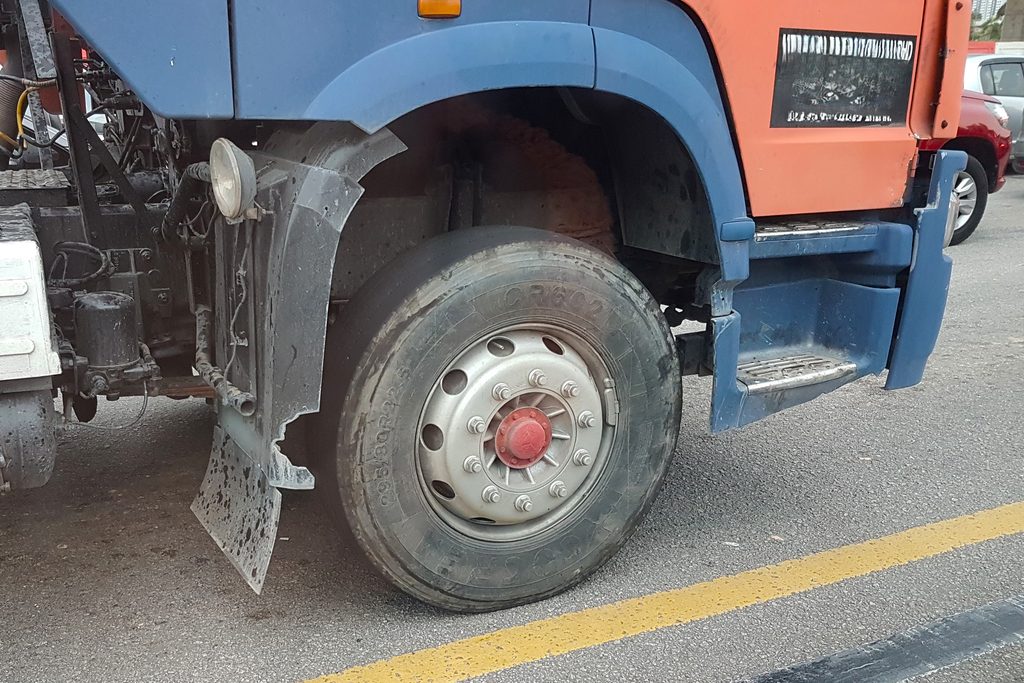
The scheme, uncovered in Gebeng, Kuantan, reportedly charged commercial vehicle operators RM100 to RM150 per vehicle to use roadworthy tyres during periodic inspections. The tyres were then removed after the vehicles obtained inspection clearance, allowing them to return to the road with their original, potentially unsafe tyres.

The operation was conducted under Ops Bengkel, a joint enforcement exercise involving JPJ Pahang and the Ministry of Domestic Trade and Cost of Living (KPDN).
In its statement, PUSPAKOM reaffirmed its support for JPJ’s enforcement efforts, stressing that inspection certificates must reflect a vehicle’s actual roadworthiness instead of a temporary condition created to pass the test.
PUSPAKOM Concerned About Safety Risks
Commercial vehicles undergo mandatory periodic inspections every six months to assess whether they meet prescribed safety standards. However, temporarily replacing worn tyres to obtain clearance undermines that process and potentially exposes other road users to unnecessary risks.
A vehicle may hold a valid inspection certificate despite returning to service with tyres that would otherwise have failed the inspection.
“Our inspectors assess the vehicle in front of them, and we do that without compromise. What we cannot do is follow that vehicle home,” said PUSPAKOM chief executive officer Mahmood Razak Bahman.
“When a tyre is swapped after the test, the certificate we issue no longer describes the vehicle on the road and it is the driver, and the family in the car behind him, who carry that risk. We support JPJ in pursuing this, and we stand behind the integrity of every inspection we carry out,” he added.
Inspections Follow JPJ Standards
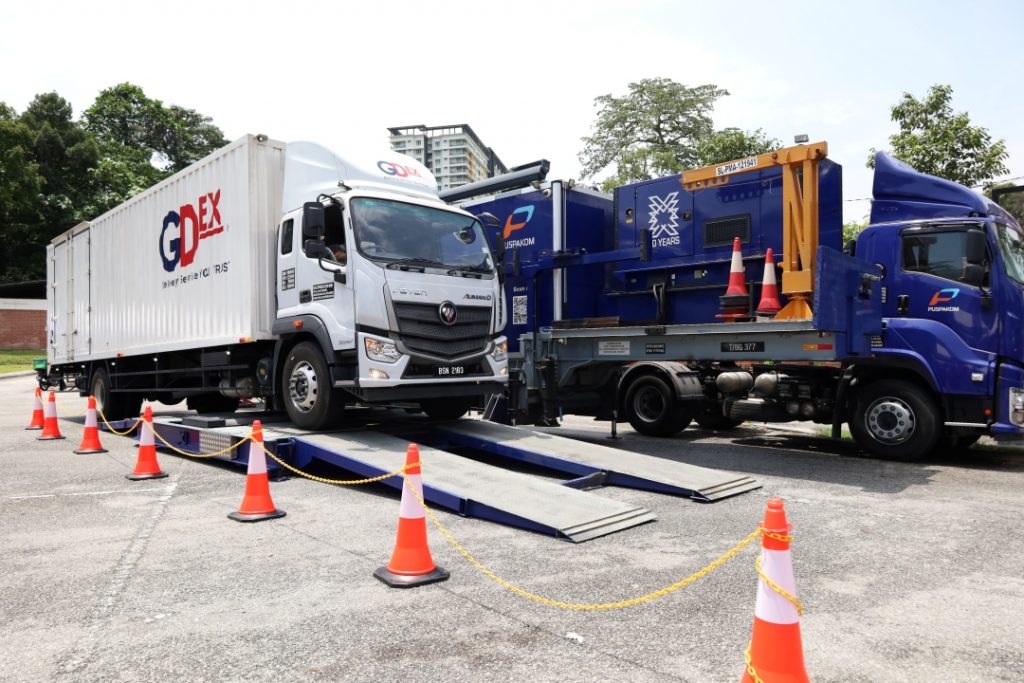
PUSPAKOM said its inspections are conducted according to requirements prescribed by JPJ, with the same standards applied across all vehicles and inspection centres.
The company stressed that it does not establish its own inspection standards or grant exemptions from the requirements. It also cautioned vehicle owners against relying on third parties, including workshops, accessory suppliers and service agents, that claim to represent PUSPAKOM or issue their own compliance standards.
The tyre rental case also raises questions about businesses that facilitate attempts to circumvent vehicle safety requirements.
PUSPAKOM noted that JPJ has stated it does not have authority over premises offering such services and has sought KPDN’s cooperation in addressing the issue. It called for scrutiny to extend beyond vehicle operators to those enabling the alleged practice.
A vehicle that passed an inspection using rented tyres could fail again at its next six-monthly inspection if its own tyres remain in unroadworthy condition. More importantly, it could pose a danger in the intervening months if the problem goes undetected.
Commercial Vehicle Operators Urged To Maintain Roadworthiness
PUSPAKOM urged commercial vehicle owners and fleet operators to treat maintenance as an ongoing responsibility rather than a last-minute exercise before a scheduled inspection.
It also encouraged operators and drivers who are pressured into participating in such arrangements to report them through JPJ’s official channels.
The case highlights a fundamental distinction between passing an inspection and maintaining a roadworthy vehicle. While PUSPAKOM can assess a vehicle’s condition at the inspection centre, sustained compliance ultimately depends on operators maintaining their vehicles and ensuring they remain safe after leaving the facility.
Efforts to uphold inspection integrity therefore require enforcement against circumvention schemes, consistent application of safety standards and responsible maintenance throughout a vehicle’s operating life.
CarTok Editor’s Note
Renting roadworthy tyres to pass a test before putting worn tyres back on a lorry is not a shortcut around paperwork; it defeats a safety measure designed to protect everyone sharing the road.
PUSPAKOM can uphold inspection standards at its centres, but it cannot ensure roadworthiness once a vehicle leaves the premises. This is where JPJ’s enforcement role, KPDN’s cooperation and the responsibility of fleet operators become critical.
The authorities should pursue not only operators who use such schemes, but also those who profit by helping them circumvent the rules.
There is also a business case for doing things properly. A lorry-related accident can mean vehicle downtime, repair bills, potential liability and disrupted customer deliveries, not to mention the risk of serious injury or loss of life. Is it worth this amount of trouble?