
Proton e.MAS 7 PHEV Now Locally Assembled in Malaysia With 30% Local Parts

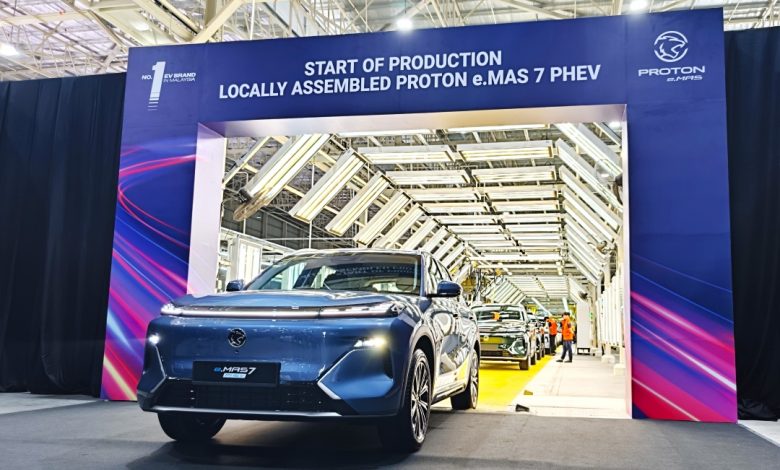
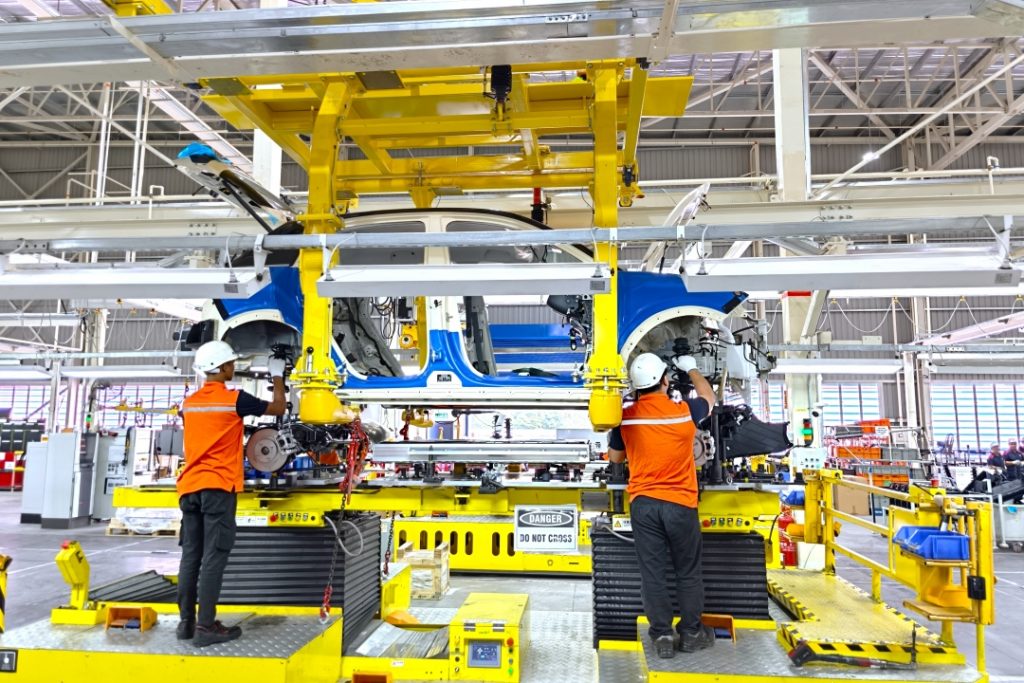
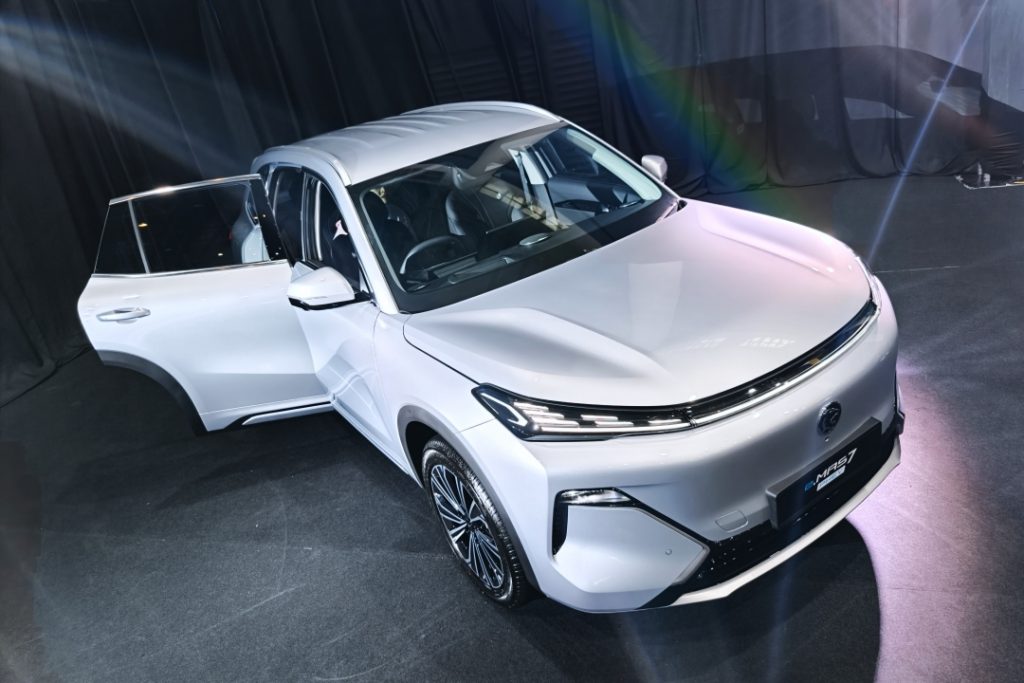
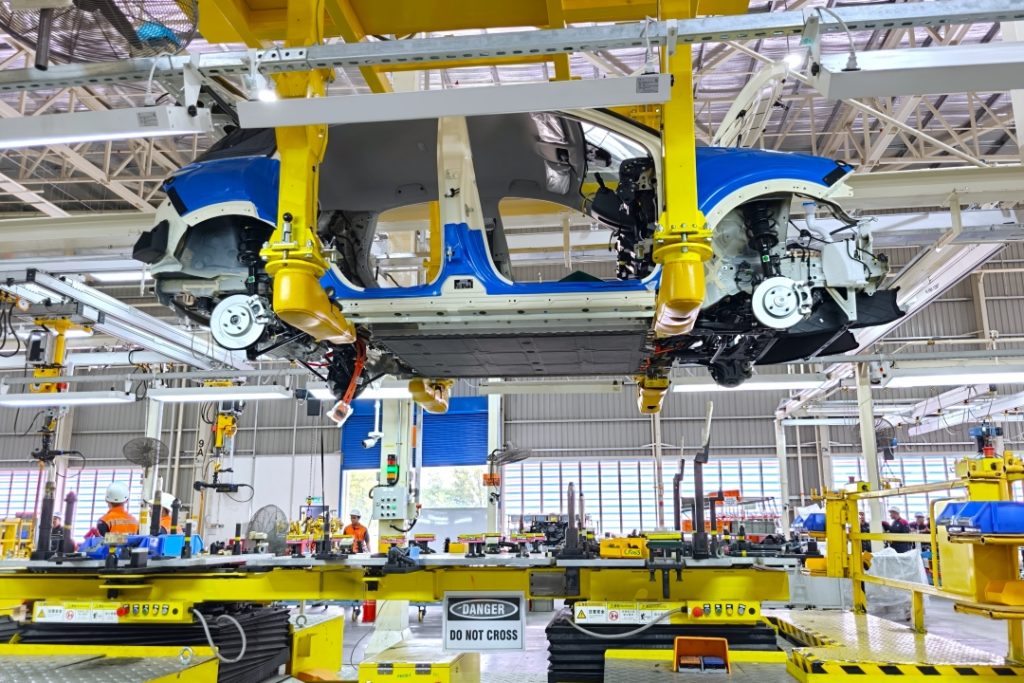
The Proton e.MAS 7 PHEV is now locally assembled in Malaysia, with the first batch rolling off the production line at the PROTON EV Plant in the Automotive High Tech Valley (AHTV), Tanjong Malim.
The start of CKD assembly makes the e.MAS 7 PHEV the third model in PRO-NET’s portfolio to be assembled locally, following the Proton e.MAS 7 and e.MAS 5 EVs.

More importantly, 30% of the parts used for the locally assembled e.MAS 7 PHEV are currently sourced from local suppliers, marking another step in PRO-NET’s efforts to develop Malaysia’s electrified vehicle manufacturing ecosystem. Typically, the proportion of locally sourced components will scale up in due course.
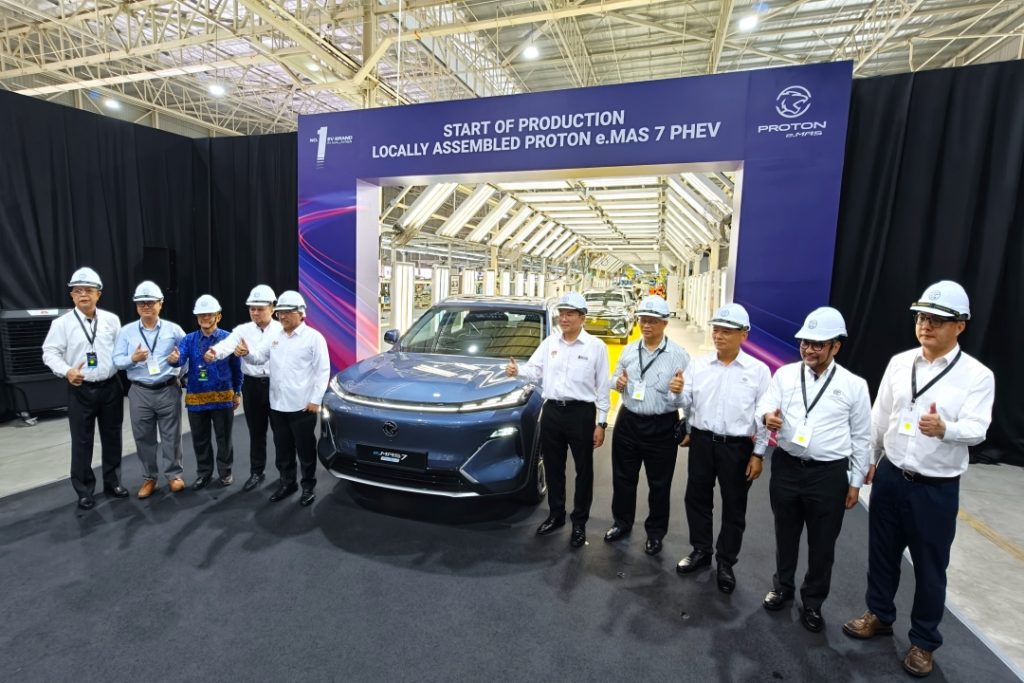
The rollout was officiated by Investment, Trade and Industry Minister Datuk Seri Johari Abdul Ghani and Deputy Minister Sim Tze Tzin, alongside PROTON chairman Tan Sri Syed Faisal Albar, PROTON CEO Dr Li Chunrong and deputy CEO Dato’ Ir. Abdul Rashid Musa.
Malaysia’s Best-Selling PHEV
The Proton e.MAS 7 PHEV hit 4,699 registrations as of June 2026, giving it a 47% share of Malaysia’s plug-in hybrid vehicle segment. Total bookings have also surpassed 11,000 vehicles.
With local assembly now underway, PRO-NET said the programme will support greater participation from local suppliers while strengthening domestic manufacturing capabilities. The PROTON EV Plant currently employs 391 personnel.
Planned Expansion
PROTON is also expanding its New Energy Vehicle assembly plant at AHTV with a RM37 million investment announced earlier this year.
This expansion is expected to increase annual production capacity to 42,000 vehicles.
PRO-NET said deeper localisation will create opportunities for more local suppliers to participate in the automotive value chain, while supporting investment and higher-value employment in Malaysia.
“Today’s rollout represents much more than the start of local production. It reflects PRO-NET’s long-term commitment to investing in Malaysia’s capabilities, working closely with local partners and continuously creating greater value for our customers. As we deepen our localisation efforts, we remain focused on building a stronger foundation for the future of electrified mobility in Malaysia,” said PRO-NET CEO Zhang Qiang.
e.MAS 7 PHEV Offered In Three Variants
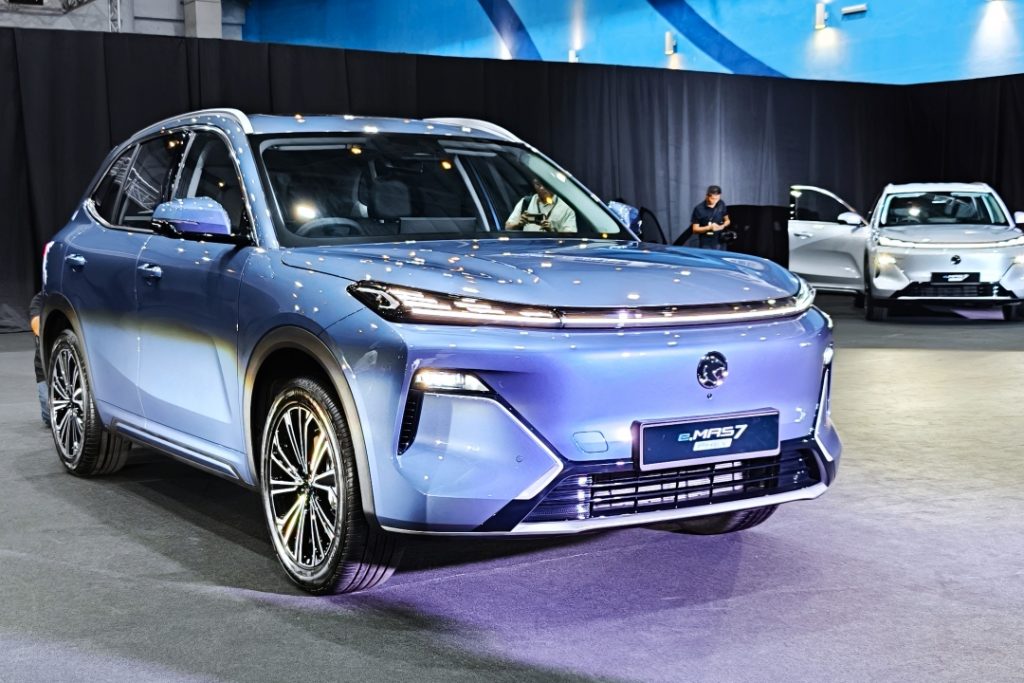
The locally assembled Proton e.MAS 7 PHEV is available in three variants: Prime, Premium and Premium Plus.
All three use the same 1.5-litre four-cylinder Dedicated Hybrid Engine (DHE), 11-in-1 Dedicated Hybrid Transmission (DHT) and front-wheel-drive layout. The system produces 193 kW of combined output and 262 Nm of combined torque.
The Prime and Premium variants use an 18.4 kWh LFP battery, with up to 105 km of NEDC electric driving range and up to 1,000 km of total driving range. Both of these variants support 30 kW DC charging, with a claimed 30%-80% charging time of 20 minutes or less.
The range-topping Premium Plus gets a larger 29.8 kWh LFP battery, increasing its electric driving range to 170 km and total driving range to 1,065 km. It also gets 60 kW DC charging, with a claimed 30%-80% charging time of 16 minutes or less.
Fuel consumption is rated at 4.3 litres/100 km for the Prime and Premium, while the Premium Plus is rated at 4.4 litres/100 km.
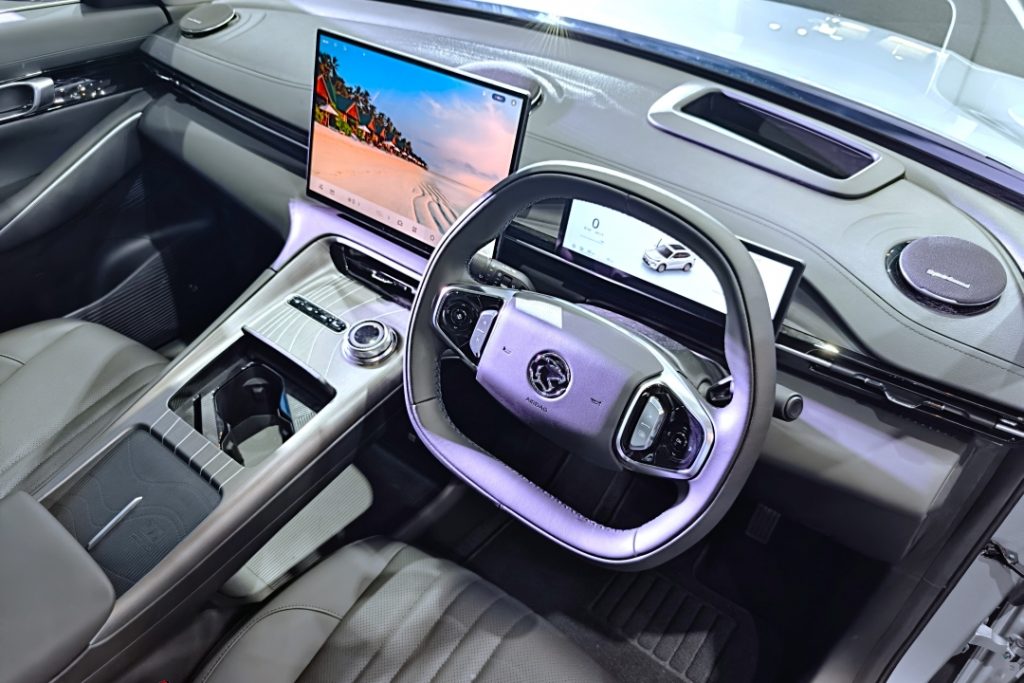
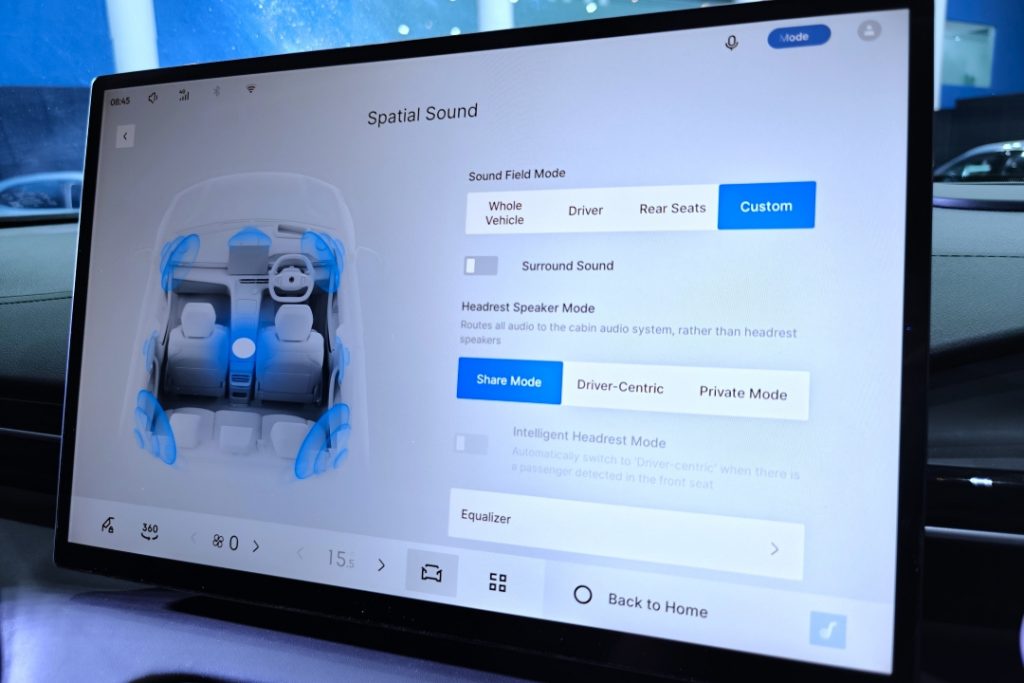
Equipment varies between the three versions. All variants get a 15.4-inch 2.5K touchscreen infotainment system with Flyme Auto OS (including Android Auto and Apple CarPlay connectivity), while the Premium and Premium Plus add features such as a 16-speaker Flyme sound system, head-up display, wireless charging, powered tailgate and 360-degree camera with 3D display.
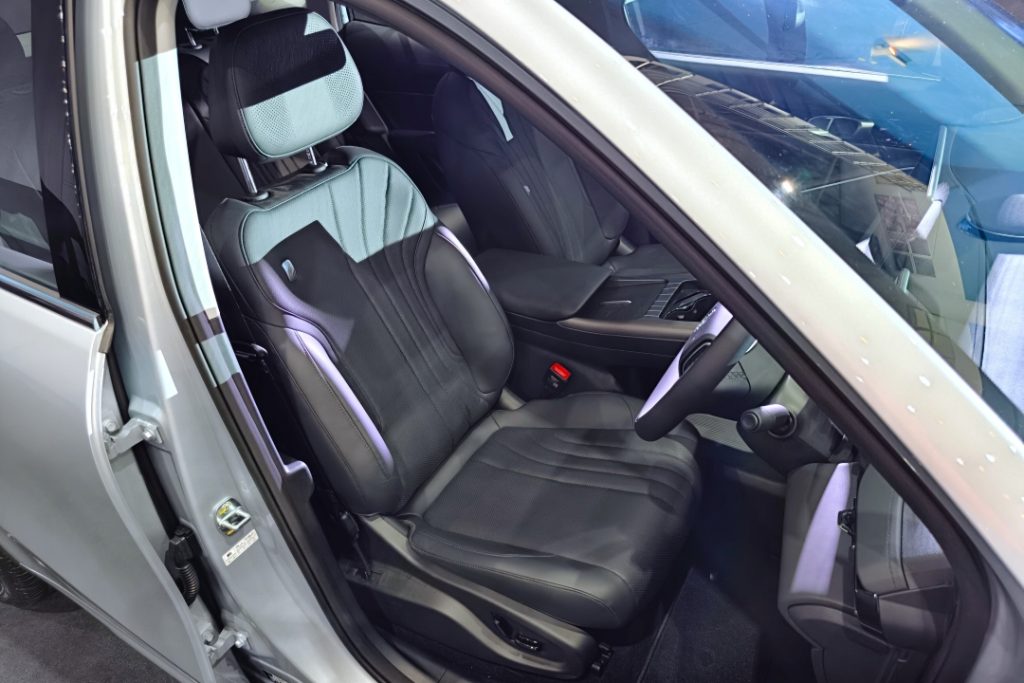
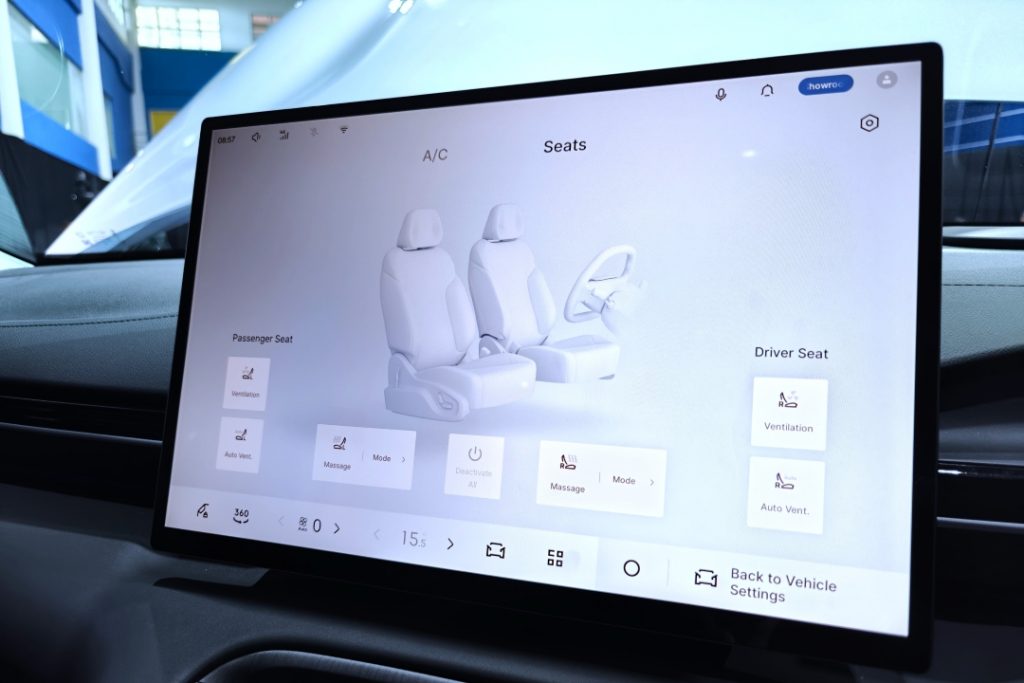
The Premium and Premium Plus also get powered front seats, ventilated front seats and front massage seats. Additionally, the Premium Plus adds a panoramic sunroof with sunshade.
All three variants come with Level 2 ADAS, including adaptive cruise control, automatic emergency braking, forward collision warning, lane departure warning and lane departure prevention.
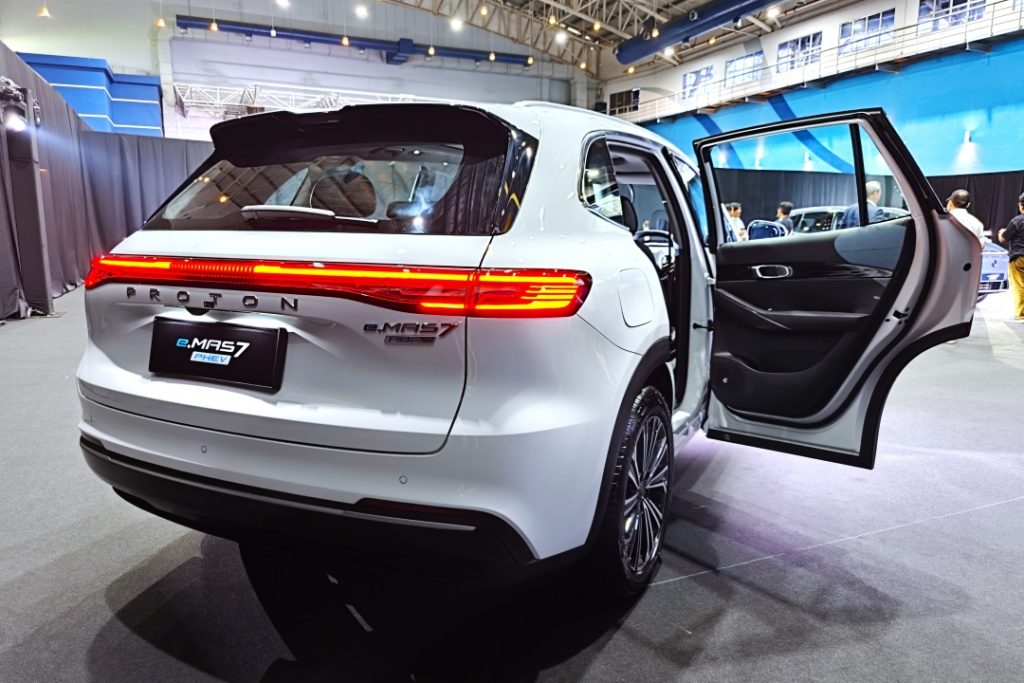
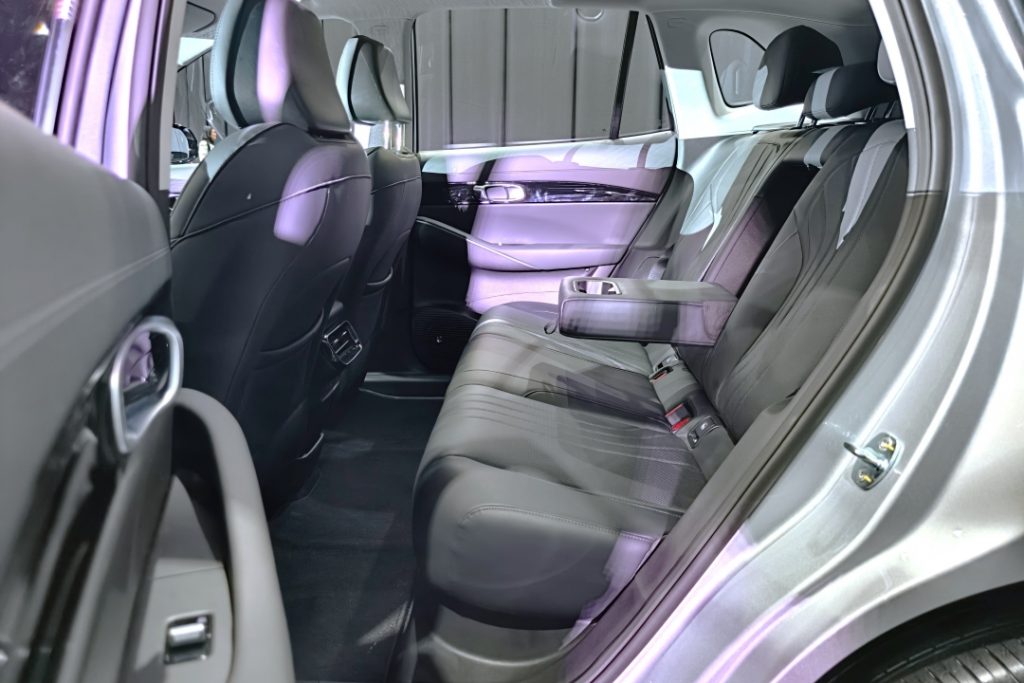
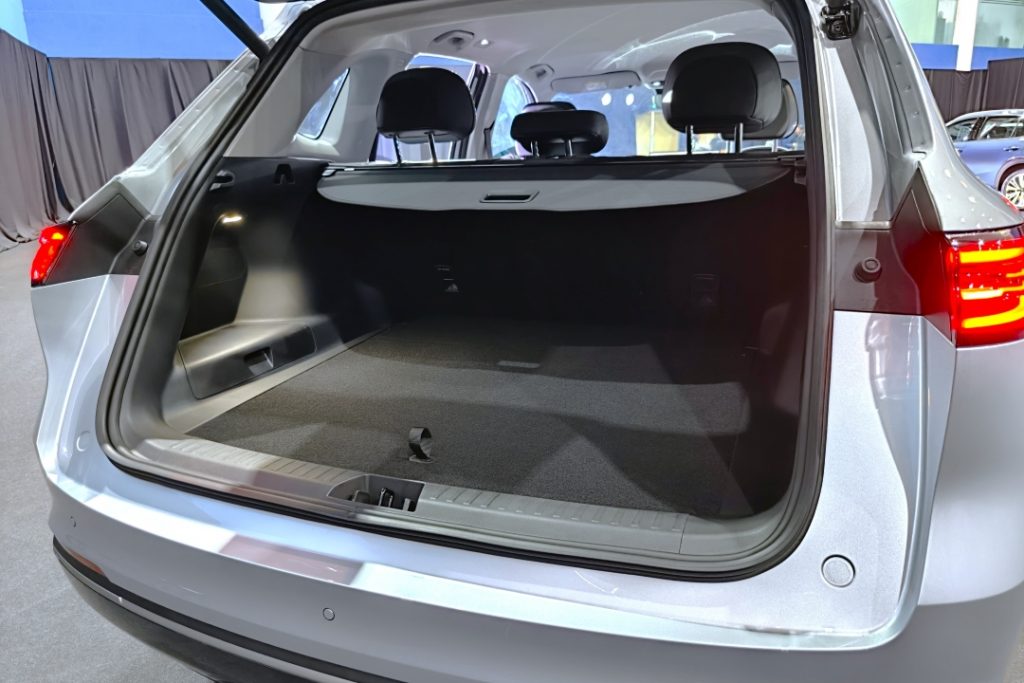
The e.MAS 7 PHEV offers up to 2,065 litres of maximum rear luggage capacity.
CarTok Editor’s Note
The significance of the e.MAS 7 PHEV entering local assembly is not really the 30% local parts content on its own. For a CKD programme, localisation typically starts at an initial level before increasing as more components and suppliers are brought into the production process.
PRO-NET has established a starting point, with 30% of the parts now sourced locally and plans to expand production capacity at AHTV.
Over time, the story would be how far that local content will grow, and how much more of the supply chain can eventually be supported by local companies.
For Malaysia’s ambition to develop into a regional xEV manufacturing hub, the expansion of a robust local supply chain will be critical.
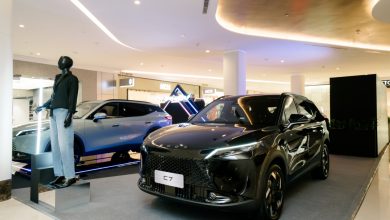
For customers interested in the locally assembled e.MAS 7 PHEV and its three variants—Prime, Premium and Premium Plus—we recommend visiting an official PROTON showroom or the brand’s official website for the latest information. Details on test drive availability and final on-the-road pricing will be announced through PROTON’s verified official channels.